The dominance of the Yadav community in Uttar Pradesh's OBC politics is facing an unprecedented challenge from rising non-Yadav groups. This shift is reshaping the state's political landscape ahead of 2027.
Key Takeaways
- The hegemony of the Yadav community in UP's OBC politics is being challenged by a diverse group of non-Yadav castes.
- Leaders like Om Prakash Rajbhar are spearheading a movement for better representation and sub-categorization of reservations.
- Non-Yadav OBCs (Rajbhars, Nishads, Mauryas, etc.) constitute a massive 20-30% of the state's OBC population.
- The 2027 Assembly elections will likely be decided by the consolidation of these fragmented OBC identities.
Uttar Pradesh is witnessing a profound transformation in its socio-political fabric. For decades, the state's Other Backward Class (OBC) politics has been characterized by the institutional and numerical dominance of the Yadav community, largely channeled through the Samajwadi Party (SP). However, a new wave of political assertion is rising, as non-Yadav OBC communities demand their rightful share in the corridors of power.
Breaking the Hegemony
While the Yadav community makes up roughly 8–11% of the state's population, their influence within the OBC category has often been disproportionate. This has led to a sense of marginalization among a vast array of other backward communities, including the Rajbhars, Nishads, Kurmis, Mauryas, Kashyaps, and Prajapatis. Collectively, these groups represent a significant portion of the state—estimated at over 20–30%—yet they have frequently felt sidelined in terms of electoral tickets and ministerial representation.
The Rajbhar Factor and the Demand for Identity
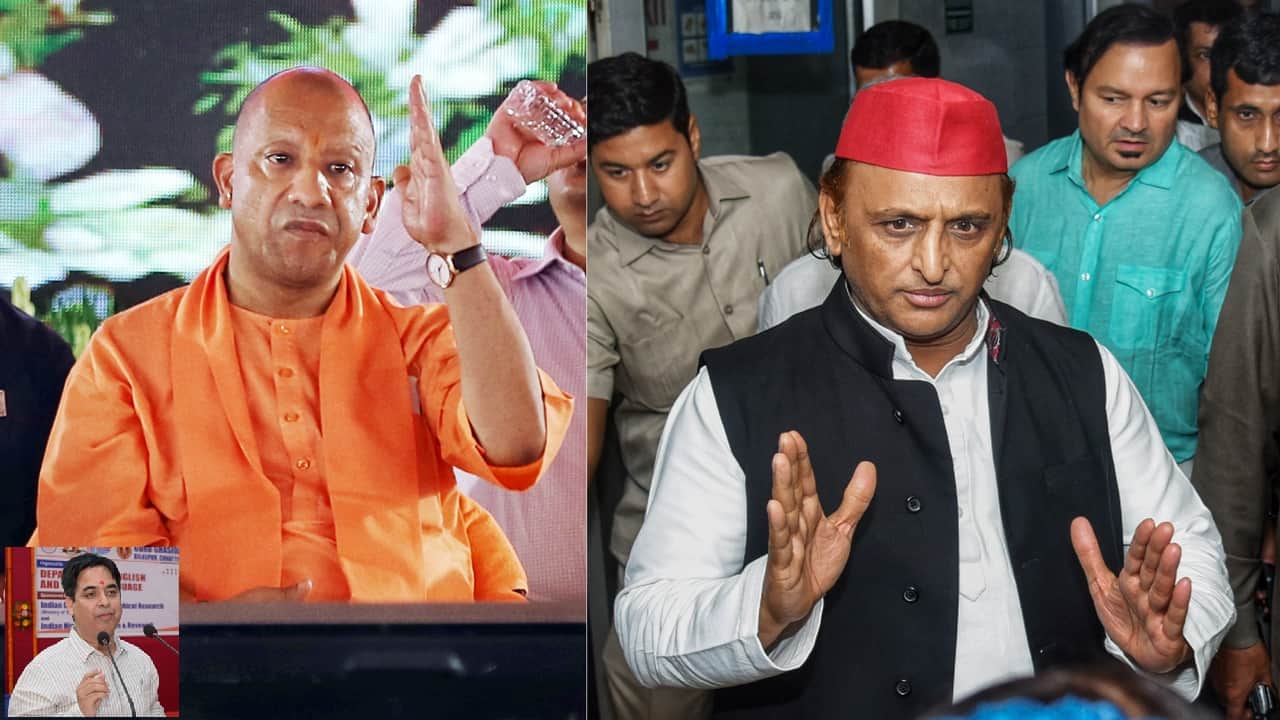
Om Prakash Rajbhar, leader of the Suheldev Bharatiya Samaj Party (SBSP), has emerged as a pivotal figure in this movement. By highlighting the 'Yadavization' of OBC politics, Rajbhar has tapped into a deep-seated resentment. He has successfully framed the struggle not just as a demand for jobs, but as a quest for dignity and independent leadership. By invoking historical icons like Maharaja Suheldev, he has provided these communities with a distinct political identity that moves beyond the shadow of larger parties.
A Two-Front Battle: BJP vs. SP
The political landscape is currently a battlefield of competing social engineering strategies. Since 2014, the Bharatiya Janata Party (BJP) has aggressively courted non-Yadav OBCs and Extremely Backward Classes (EBCs) through targeted welfare schemes and strategic alliances. Conversely, the Samajwadi Party has attempted to counter this with its 'PDA' (Pichda, Dalit, Alpasankhyak) formula, aiming to create a broader coalition of backward and minority votes. The 2024 Lok Sabha results suggest that while the BJP's coalition is under pressure, the SP's attempt to integrate non-Yadav OBCs is gaining traction.
The Road to 2027
As the state moves toward the 2027 Assembly elections, the demand for the sub-categorization of OBC reservations is becoming a central theme. The ability of any political party to manage these micro-caste alliances will be the deciding factor. In a state where a 4–6% shift in vote share can alter the course of history, the assertion of non-Yadav OBC identity is no longer a peripheral issue—it is the new center of gravity in Uttar Pradesh politics.