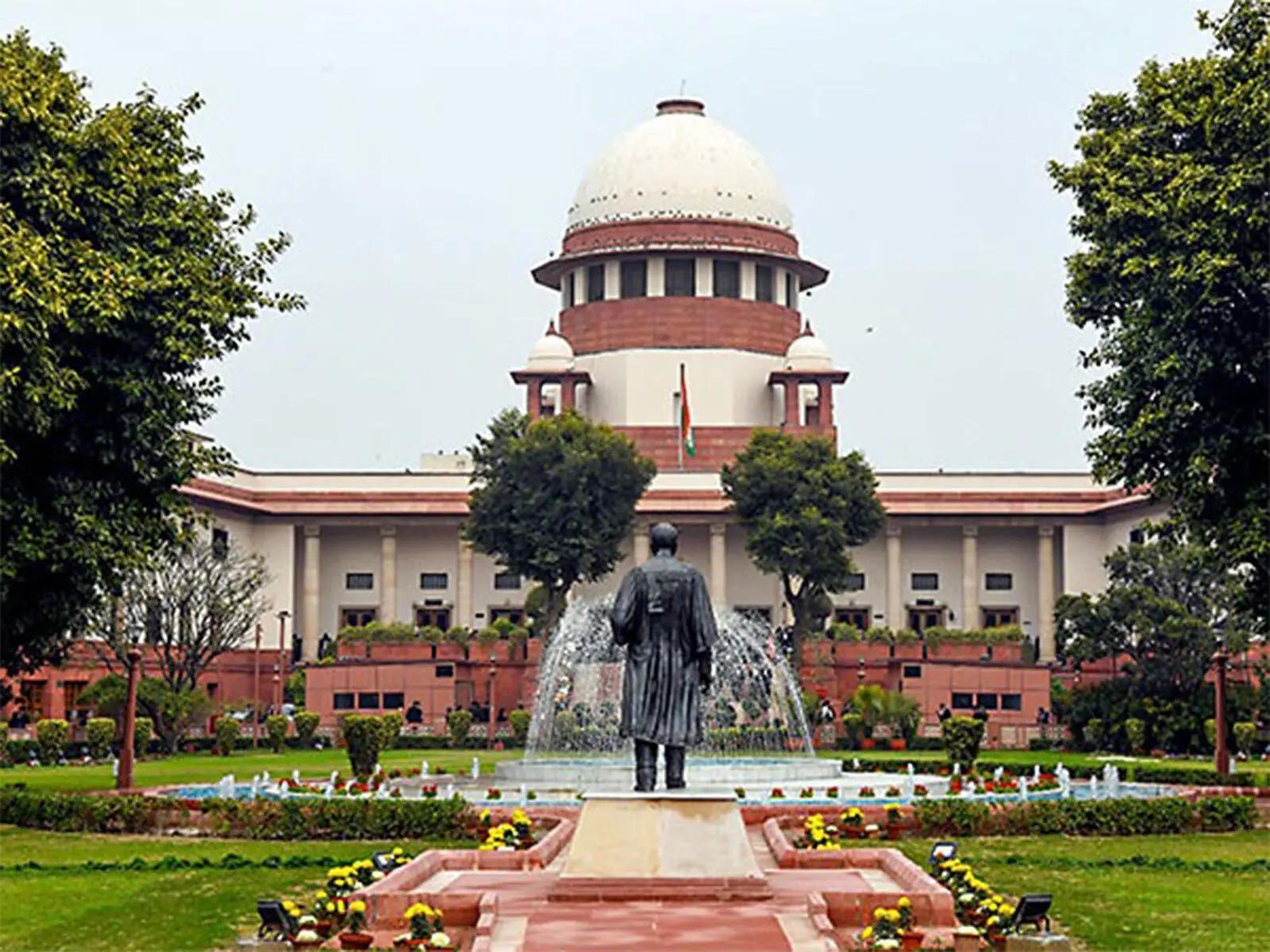
The Supreme Court has directed all states and Union Territories to formulate, within three months, a policy that frees elderly and terminally ill inmates. The ruling underscores constitutional guarantees of life and dignity even behind prison walls.
Key Takeaways
- Supreme Court mandates a release policy for elderly and terminally ill prisoners within 90 days.
- Data shows 5,393 inmates qualify – 1,886 undertrials and 3,507 convicts.
- The judgment reiterates proportionality, humanity, and reform as core tenets of punishment.
New Delhi – In a landmark judgement, the Indian Supreme Court has ordered every state and Union Territory to craft a comprehensive policy within the next three months for the early release of prisoners who are either of advanced age or suffering from terminal illnesses. The bench, comprising Justices Vikram Nath and Sandeep Mehta, emphasized that the right to life and dignity enshrined in Article 21 of the Constitution cannot be suspended by incarceration.
Legal Context and Precedents
While numerous petitions have highlighted the plight of senior and gravely ill inmates, the absence of a uniform framework has hampered effective relief. The Court’s pronouncement that “punishment must remain anchored in proportionality, humanity and the possibility of reform” reinforces the constitutional ethos that even those convicted are entitled to humane treatment.
Statistical Overview
Aggregated data from State Legal Services Authorities identifies a total of 5,393 prisoners falling under the umbrella of elderly and/or terminally ill categories. This cohort includes 1,886 undertrial detainees and 3,507 convicts, reflecting a substantial segment of the incarcerated population that requires special consideration.
Core Elements of the Proposed Policy
The Court outlined specific criteria that the forthcoming policy must address:
- Age threshold (e.g., 70 years and above) and medical diagnosis confirming terminal status.
- Verified medical reports and certifications from qualified health professionals.
- Post‑release provisions covering health care, social reintegration, and monitoring mechanisms.
Moreover, the policy must ensure transparency, non‑discrimination, and periodic review to prevent arbitrary decision‑making.
Implications and Future Outlook
This directive is poised to reshape India’s penal landscape by injecting a humane dimension into the criminal justice system. If implemented effectively, it could reduce unnecessary suffering, alleviate prison overcrowding, and set a precedent for broader reforms such as mental‑health support and rehabilitation programs. Legal scholars anticipate that the policy will also catalyze a shift toward restorative justice, reinforcing public confidence in the judiciary.


