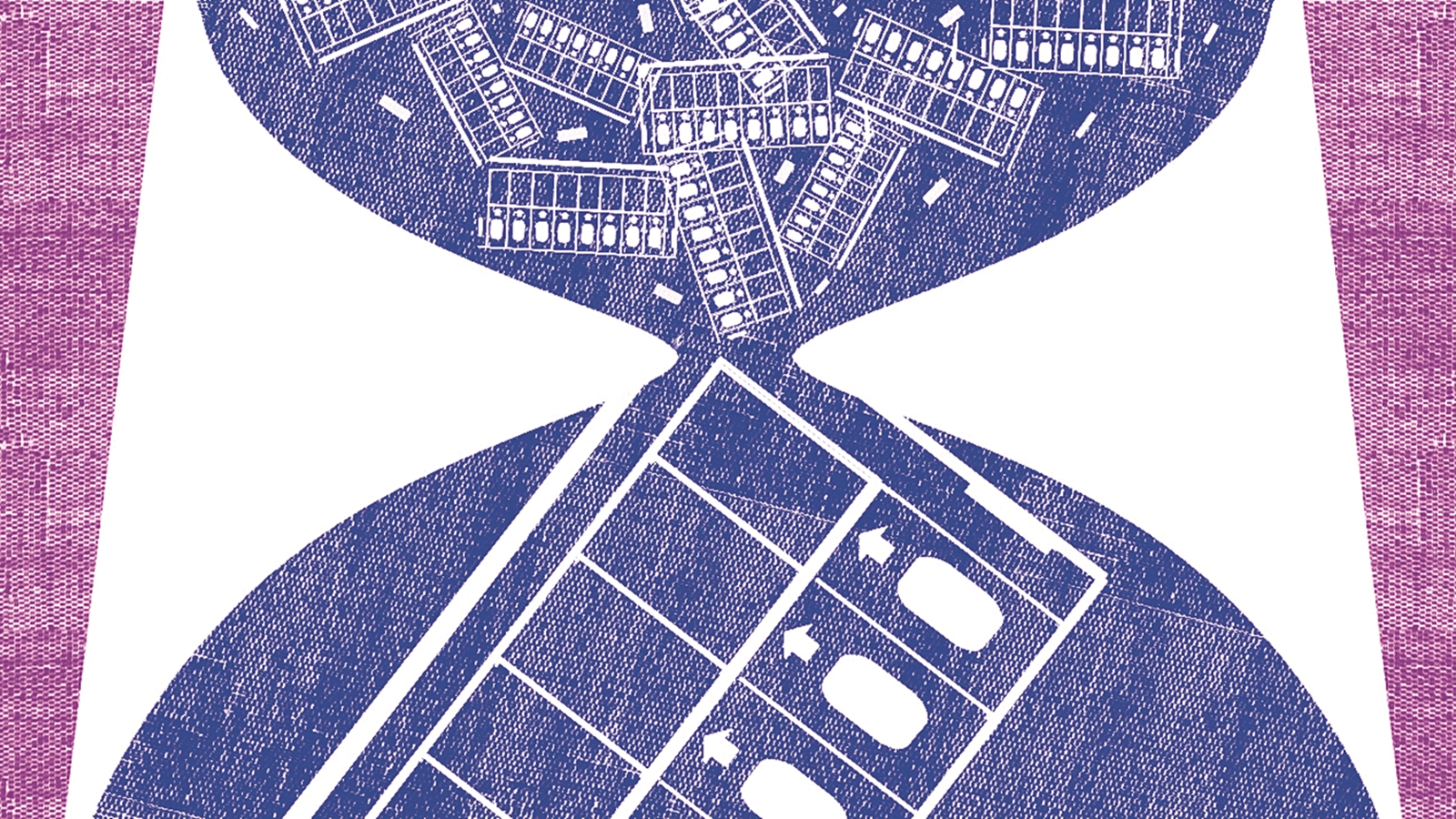
The proposed constitutional amendment seeks to synchronize national and state polls, but it fails to address core electoral maladies such as unlimited spending, black money, and criminalisation of politics. The article scrutinises the claimed economic gains, cost‑savings, and constitutional risks in depth.
Key Takeaways
- Synchronised elections do not guarantee significant cost savings
- Corruption and black‑money financing remain untouched
- Federal balance and regional diversity face new threats
India’s Parliament is currently debating the Constitution (129th Amendment) Bill, which aims to hold Lok Sabha and all state assembly elections on a single day. The bill requires a two‑thirds majority in both houses and ratification by half of the states, making its passage uncertain. A High‑Level Committee (HLC) has highlighted four purported benefits – cost reduction, relief from “policy paralysis,” reduced administrative burden, and an economic growth dividend – but each claim demands rigorous examination.
Economic Growth Myth
The HLC cites a study suggesting that simultaneous elections lift real GDP growth by roughly 1.5 percentage points. Historical evidence, however, contradicts this. The era of synchronized polls (1952‑1967, and partially until the mid‑1980s) coincided with the so‑called “Hindu rate of growth” of about 3.5 % per annum, characterised by licence‑raj, import substitution, and a closed economy. India’s high‑growth spell of 8‑9 % (2003‑2011) occured under asynchronous elections, where staggered state polls ran every year. Macro‑level drivers—trade liberalisation, the IT boom, global capital flows, and the 1991 reforms—are far larger than any election‑timing effect, making the study’s correlation tenuous.
Where Are the Real Savings?
Government election spending accounts for less than 0.1 % of the overall budget, as confirmed by the Election Commission (ECI). The bulk of expenditure is borne by candidates and parties, with audited figures showing an average official spend of only 50 % of the permissible ceiling. This indicates that the majority of money circulates as unaccounted “black money.” Media Studies estimates that the 2024 Lok Sabha election alone involved over ₹1 lakh crore of illicit funds. Whether elections are held annually or quinquennially, the cash‑driven patronage system persists, and the proposed synchronization merely concentrates spending rather than reducing it.
Model Code of Conduct: A Double‑Edged Sword
The Model Code of Conduct (MCC) restricts government announcements for roughly 45‑60 days per election. Because India conducts state elections on a rolling basis, NITI Aayog estimates that some part of the country lives under the MCC for about four months each year. Under a One Nation, One Election (ONOE) regime, this freeze would be national and simultaneous every five years, potentially amplifying developmental disruptions. Labeling this “policy paralysis” conflates democratic restraint with administrative inefficiency.
Constitutional and Federal Concerns
The Supreme Court’s Kesavananda Bharati judgment enshrines free and fair elections as part of the Constitution’s basic structure, beyond the reach of ordinary amendments. Synchronised elections pose three serious tensions: (1) Parliamentary stability – a government losing its majority would either continue without a legitimate mandate or trigger President’s Rule, both untenable; the HLC’s “constructive no‑confidence motion” (borrowed from Germany) would distort India’s parliamentary tradition. (2) Extending or curtailing multiple state assembly terms violates the “no longer” language of Articles 83 and 172, breaching voters’ contractual rights. (3) Regional parties and the federal character would be structurally disadvantaged, as research consistently shows a “wave effect” that favours national parties in simultaneous polls.
In sum, the One Nation, One Election proposal is a symbolic gesture that does not address the deep‑seated electoral ailments afflicting India. Targeted reforms—mandatory disclosure of all donations, enforceable spending caps, disqualification of criminally tainted candidates, and a truly autonomous Election Commission—are essential for a credible democratic process.