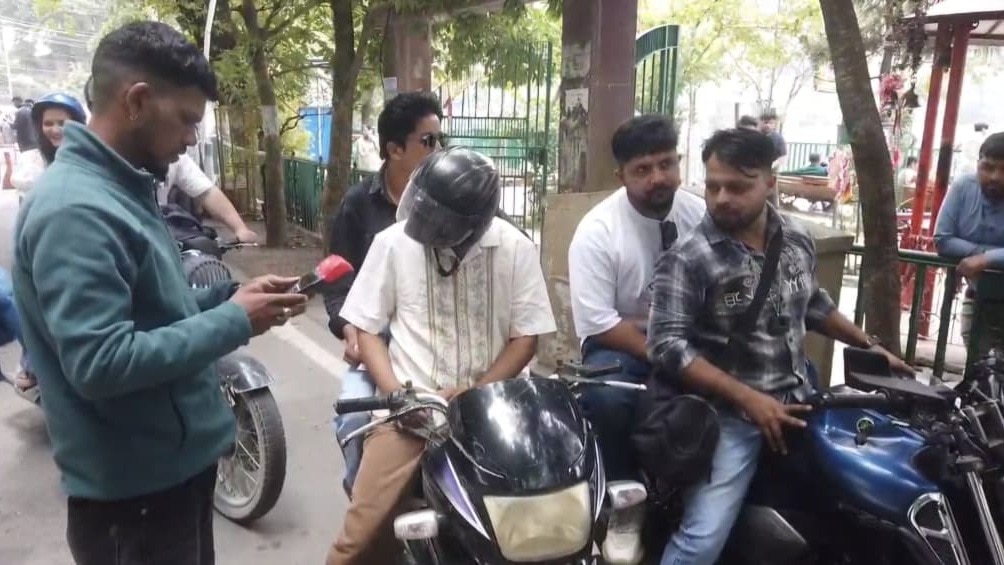
Uttarakhand's hill station Nainital has ignited widespread anger after imposing a ₹100 entry tax on bicycles, prompting local businesses and tourists to demand a freeze on its collection. The move raises questions about the policy's legality and its impact on the region's tourism-driven economy.
Key Takeaways
- Nainital imposes a ₹100 entry tax on bicycles
- Local traders and tourists protest the new fee
- Authorities temporarily suspend tax collection pending review
Nainital, one of northern India's most beloved hill‑top destinations, recently announced a ₹100 entry levy for two‑wheelers, triggering a swift backlash. The tax, framed as a revenue‑raising measure by the Uttarakhand government, is intended to fund road repairs, water‑conservation projects, and sanitation upgrades, but has been branded by residents as an undue financial burden.
Policy Genesis and Fiscal Rationale
Over the past five years, Nainital's tourism receipts have surged, yet the region's infrastructure has lagged, with deteriorating roads and mounting waste‑management challenges. In response, the state administration reviewed vehicle entry fees across several hill stations and ultimately settled on a flat ₹100 charge for bicycles, aiming to supplement the dwindling state coffers while targeting environmental remediation.
Public Backlash and Grassroots Mobilisation
Within hours of the announcement, bike owners, hotel operators, and tour‑operators took to the streets and social media. The hashtag #NainitalBikeTax trended on Indian platforms, amassing thousands of posts that described the levy as “excessive” and “tourism‑deterring.” Business owners reported a 15‑20% dip in patronage, directly linking the tax to declining revenues.
Legal and Administrative Response
Facing mounting pressure, the Uttarakhand government issued an immediate suspension of the tax collection, promising a comprehensive review and public hearing. Constitutional scholars warned that imposing the fee without proper legislative backing could contravene Article 265 of the Indian Constitution, which reserves taxation powers to Parliament or state legislatures.
Looking Ahead: Policy Implications
Going forward, Nainital's authorities must navigate a delicate balance between ecological stewardship and economic vitality. If the levy is re‑structured to fund specific environmental initiatives, it may regain public acceptance. Moreover, the outcome of this dispute will likely serve as a precedent for other hill‑station administrations contemplating similar fiscal tools.

