India's upcoming monsoon parliamentary session will feature five fresh bills and a renewed focus on two pending constitutional amendments concerning delimitation and women's reservation.
Key Takeaways
- Government seeks a two‑thirds majority before pushing constitutional amendments.
- Delimitation and women reservation bills are set for renewed debate.
- Monsoon session will host five new bills alongside the two pending amendments.
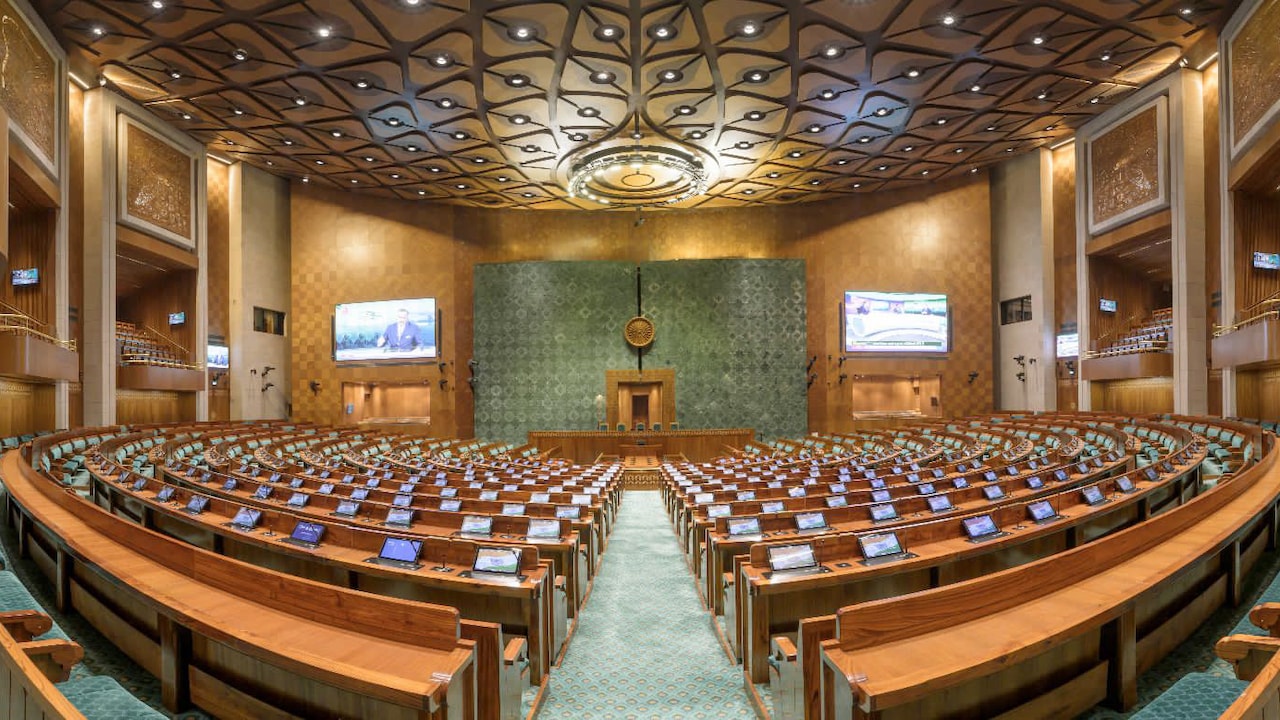
The political atmosphere in New Delhi is already charged as the monsoon session of Parliament approaches. A total of five new bills are slated for introduction, while two long‑standing constitutional amendment proposals—one on delimitation and the other on women’s reservation—are being brought back for discussion. Both require a two‑thirds majority, prompting the government to tread carefully until it feels confident of securing that threshold.
Background and Historical Context
The delimitation bill aims to redraw electoral constituencies based on the latest population data, ensuring equitable representation across the nation. Over the past two decades, demographic shifts have rendered many constituencies disproportionate, but delimitation has repeatedly sparked political contention. The women’s reservation bill, proposing a 33% quota for women in Parliament, has been tabled several times yet stalled due to the absence of the requisite supermajority.
Current Political Calculus
Given the coalition dynamics, the ruling bloc must assure that all allied parties align with the constitutional reforms. Opposition parties have raised concerns, especially about the scope of delimitation and its potential impact on their electoral strongholds. Consequently, the government prioritized other economic and social legislation first, leading analysts to infer that constitutional amendments will only be advanced after the two‑thirds majority is confidently secured.
Potential Implications
Should the delimitation bill pass, the next general election could witness a significant reshuffling of seats across several states, altering the balance of power in key regions. Passage of the women’s reservation bill would markedly increase female representation, enriching policy debates with gender diversity. Both measures represent structural shifts that could redefine the architecture of Indian democracy.
Looking Ahead
During the monsoon session, parliamentary debates, amendments, and votes are expected to proceed at a brisk pace. Political analysts contend that a secured supermajority could enable these two constitutional reforms to reshape the electoral landscape ahead of the next general elections. The outcomes will reverberate beyond legislative corridors, influencing societal structures and the broader democratic narrative.