The state government has terminated the free‑sari programme for 25 million Antyodaya families, citing mounting financial pressures. The decision impacts both the local powerloom sector and the welfare of women beneficiaries.
Key Takeaways
- Maharashtra ends the free‑sari scheme covering 25 lakh families.
- The programme, budgeted at Rs 100 crore annually, became untenable due to fiscal stress.
- Termination affects the state’s powerloom market and the socio‑economic safety net for women.
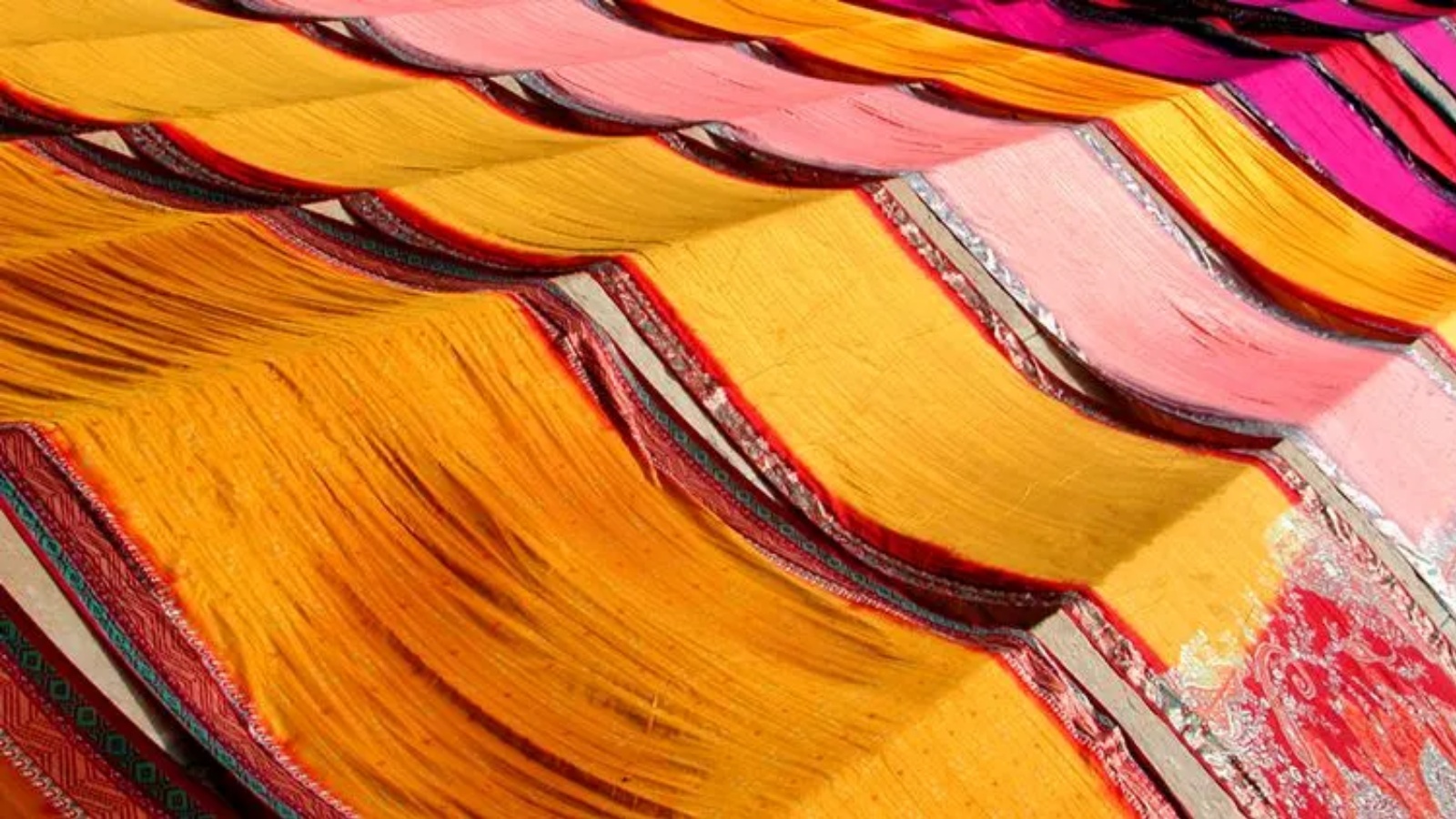
On Thursday, the Maharashtra government issued a formal Government Resolution (GR) announcing that the "Captive Market Scheme" will not be continued from the next financial year. Launched by Chief Minister Eknath Shinde in June 2023, the scheme was designed to create a guaranteed market for the state’s powerloom industry while providing an annual free sari to women holding Antyodaya ration cards.
Origins and Operational Mechanics
Embedded within the Integrated and Sustainable Textile Policy 2023‑28, the initiative ran for three consecutive years—2023, 2024 and 2025—distributing powerloom‑woven saris each Diwali. Roughly 25 lakh families received a sari every year, delivering both a tangible benefit to women and a steady order flow for local manufacturers.
Fiscal Pressures Prompt Cancellation
According to the GR, the textile department highlighted that the cumulative financial commitments across multiple welfare schemes, sector‑specific subsidies, and projected liabilities made the Rs 100 crore annual outlay unsustainable. With the state grappling with a widening fiscal gap, policymakers concluded that the scheme could no longer be justified.
Implications for the Local Economy and Social Welfare
The cessation carries dual repercussions. First, powerloom units lose a reliable demand source, potentially curbing production volumes and employment in a sector that relies heavily on state‑driven contracts. Second, Antyodaya beneficiaries—predominantly women from low‑income households—face a modest reduction in essential clothing support, which could exacerbate economic vulnerability during festive periods.
Looking Ahead: Policy Recalibration
Analysts suggest that if Maharashtra can stabilize its finances, it may redirect resources toward more targeted welfare mechanisms, possibly leveraging public‑private partnerships to sustain the powerloom market without direct subsidies. The termination may signal a broader shift toward fiscal prudence while still seeking innovative ways to protect vulnerable populations.