Chief Minister Devendra Fadnavis has issued a comprehensive plan to dismantle Maharashtra's narcotics economy, combining stricter enforcement, fast‑track courts, school awareness, and expanded de‑addiction facilities. The move aims to make the state drug‑free and curb both natural and synthetic drug trade.
मुख्य बिंदु (Key Takeaways)
- Fadnavis directs all departments to coordinate a crackdown on drug syndicates.
- Education, fast‑track trials, and a statewide de‑addiction network form the core of the strategy.
- Harsh penalties and a reward scheme for informants will be introduced.
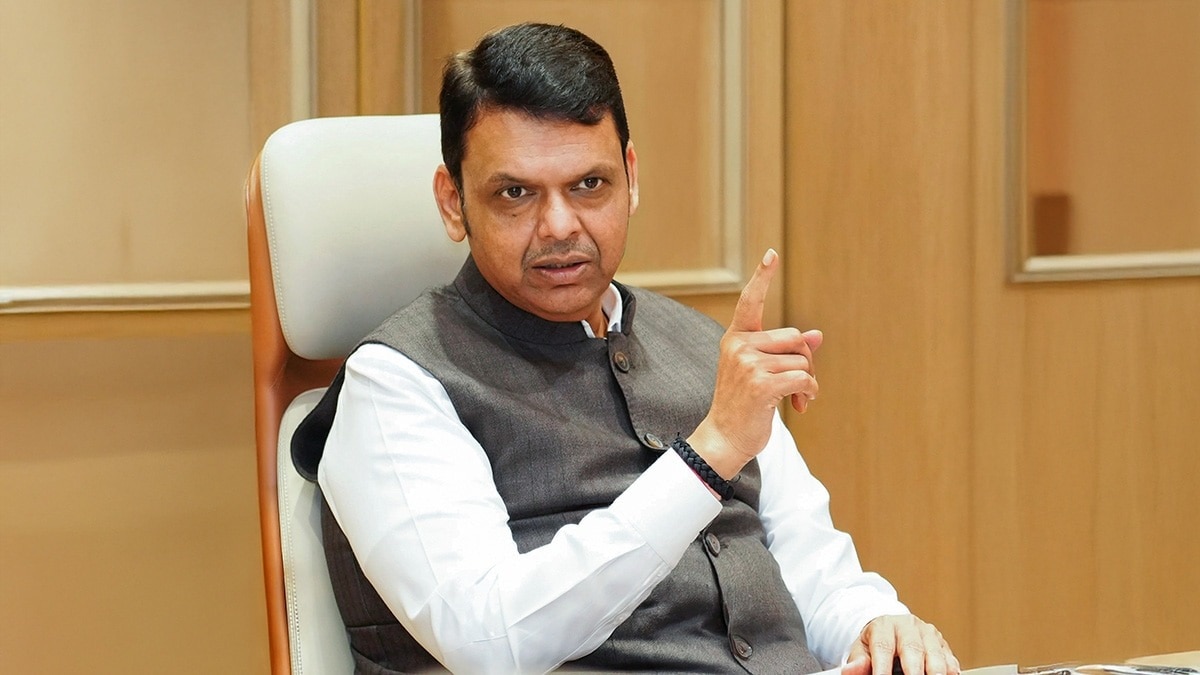
Maharashtra Chief Minister Devendra Fadnavis chaired a review meeting on the “Strategy and Action Plan for a Drug‑Free Maharashtra” and ordered a coordinated assault on the state’s illegal narcotics economy. He emphasized that every department must work together to halt production, supply, sale, and distribution of both natural and synthetic narcotics, signalling a decisive shift toward a drug‑free Maharashtra.
Scale of the Problem
Data presented at the meeting highlighted the magnitude of the challenge. In 2025 alone, police registered 17,611 cases under the Narcotic Drugs and Psychotropic Substances (NDPS) Act, seized 56,206 kg of narcotics worth roughly ₹1,340 crore, and arrested 15,994 accused, including 72 foreign nationals. Between 2021 and 2025, authorities seized 5.7 tonnes of mephedrone (valued at ₹6,550 crore), 134 kg of heroin (₹484.75 crore), 109.7 tonnes of ganja (₹186.44 crore), 759 kg of charas (₹14.67 crore) and 134 kg of cocaine (₹14.60 crore).
Integrated Strategy
Fadnavis proposed introducing drug‑abuse awareness lessons into the curriculum for Classes VII‑X, aiming to sensitize students early. He instructed the Medical Education Department, Public Health Department, and the Anti‑Narcotics Cell to establish a statewide network of de‑addiction centres in partnership with voluntary organisations. The Brihanmumbai Municipal Corporation was asked to set up multidisciplinary de‑addiction facilities, while government hospitals must earmark beds for treatment.
Enforcement and Judicial Measures
To ensure swift justice, Fadnavis advocated the creation of fast‑track courts for drug‑related cases and specialised training for prosecutors to improve conviction rates. Police were urged to intensify operations—identifying peddlers, tracing supply chains, and increasing patrols in identified hotspots. A reward scheme for citizens providing credible tips leading to major seizures will also be launched.
Incentives and Recognition
Officers demonstrating outstanding performance in narcotics investigations will receive an advance increment of three percent of their basic pay, and investigative officers may travel by air when operationally required. A separate awards scheme will recognise exemplary service, rounding off a plan that blends enforcement, awareness, and treatment to support a drug‑free Maharashtra.