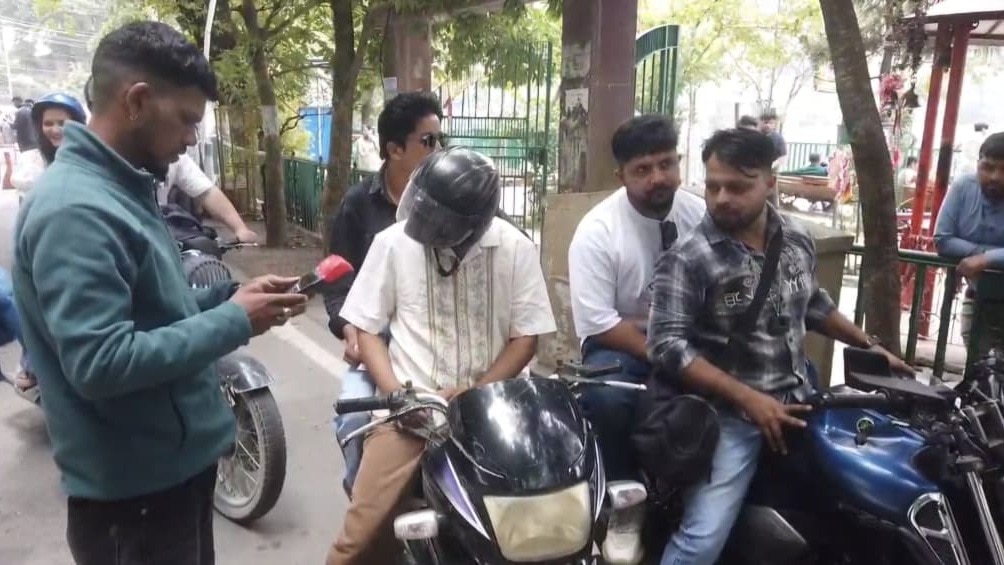
Sonam Wangchuk's hunger strike has entered its 19th day, raising serious health concerns while intensifying political pressure on the central government. Meanwhile, Arvind Kejriwal's visit to Jantar Mantar underscores the national relevance of the protest.
Key Takeaways
- Sonam Wangchuk is on day 19 of his hunger strike.
- Medical experts warn of severe health risks.
- Arvind Kejriwal's Jantar Mantar visit amplifies the political stakes.
Renowned activist and education reformer Sonam Wangchuk began his hunger strike to demand comprehensive water policy reforms and greater autonomy for Himalayan educational institutions. As the 19th day dawned on July 19, his protest has morphed from a localized grievance into a nationwide political flashpoint, drawing attention from civil society, opposition parties, and international observers.
Health Concerns and Medical Oversight
Wangchuk’s family and supporters report that while he remains conscious, doctors have raised alarms about dehydration, electrolyte imbalance, and potential organ failure. Independent medical panels have been petitioned to monitor his condition, and several health NGOs have issued statements urging the government to intervene for humanitarian reasons.
Political Pressure and Kejriwal’s Intervention
On the same day, Delhi Chief Minister Arvind Kejriwal visited Jantar Mantar, meeting with Wangchuk’s supporters and reiterating that the issue is now "a matter of national importance." Kejriwal’s presence has elevated the protest, prompting other opposition leaders to echo the demands and intensify calls for dialogue with the Centre.
Centre’s Stance
To date, the central government has not issued a concrete response to Wangchuk’s demands, though senior officials have acknowledged the need for water policy reassessment. The administration frames its approach as a "balanced, consultative process," yet critics argue that the lack of immediate action fuels political dissent ahead of upcoming elections.
Future Outlook
If the hunger strike persists, it could become a defining case study of non‑violent resistance influencing policy. Analysts suggest that sustained public backing may compel the Centre to negotiate, potentially reshaping India’s water governance framework. Conversely, without decisive political will, the protest risks fading into a symbolic protest rather than effecting substantive change.