West Bengal Chief Minister Suvendu Adhikari announced that ISKCON will begin serving vegetarian midday meals in Kolkata schools from August 1, extending later to Nadia and the rest of the state. He framed the initiative as a non‑political path to social harmony and improved child nutrition.
Key Takeaways
- ISKCON will start serving vegetarian midday meals in Kolkata schools on August 1.
- The Chief Minister describes the partnership as a peace‑building, nutrition‑focused effort beyond politics.
- Previous allegations of corruption in the midday meal scheme are cited as a reason for the new collaboration.
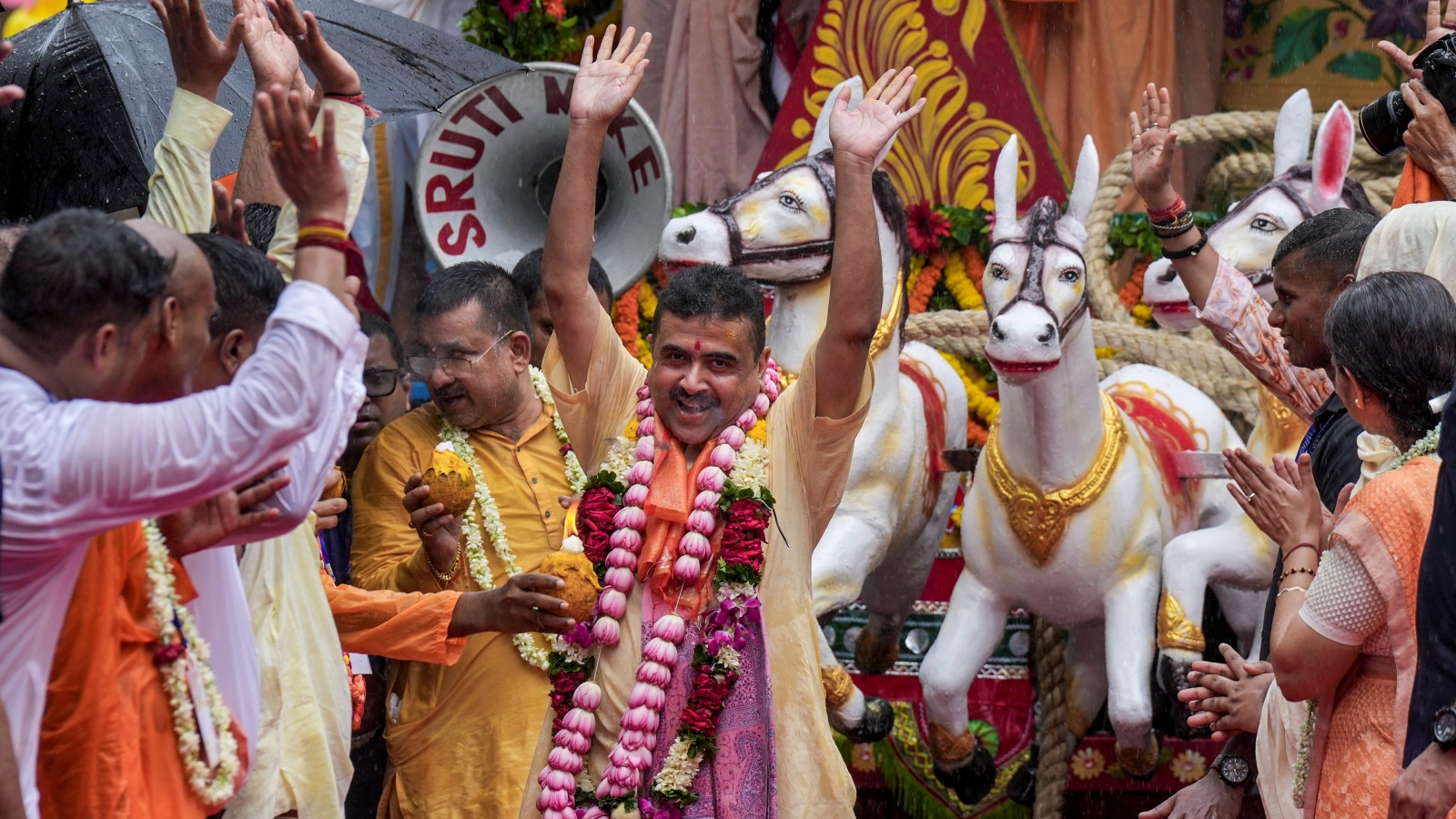
West Bengal Chief Minister Suvendu Adhikari reiterated the state’s decision to involve ISKCON in the school midday‑meal programme while addressing the media after inaugurating the ISKCON Rath Yatra in Kolkata. “ISKCON contributes majorly to health, education, and nutrition. We hope to work with them beyond politics. This organisation can only bring peace,” he said. The rollout begins on 1 August in Kolkata schools, followed by an expansion to Nadia district and eventually the entire state.
Political Context and Past Controversies
The announcement comes amid lingering accusations of irregularities and corruption that plagued the previous Trinamool‑led midday‑meal scheme. Adhikari labelled those allegations “extremely unfortunate” and promised a “corruption‑free” implementation under ISKCON’s oversight. Opposition parties have already framed the move as a political maneuver to win goodwill, while the government insists it is a strategic step for child health and societal cohesion.
Nutrition Implications of a Vegetarian Menu
ISKCON’s menu will be strictly vegetarian, focusing on pulses, rice, vegetables, and dairy. Nutritionists warn that a completely egg‑free diet may require careful planning to meet protein and micronutrient needs, especially for children from low‑income families who rely heavily on the scheme. The state has assured that the meals will be fortified and diversified to combat malnutrition, a persistent challenge in many West Bengal districts.
Cultural Significance and Heritage Drive
During the Rath Yatra, Adhikari praised ISKCON founder Srila Prabhupada for globalising Indian cultural heritage. He positioned himself as both a nationalist and a Sanatani, emphasizing the cultural resonance of the festival. The chief minister also announced the formation of a Heritage Commission to protect historic sites, including the proposed designation of the ISKCON temple complex as a heritage landmark.
Future Outlook
If the programme succeeds, it could become a template for public‑private collaborations in education and nutrition across India. Moreover, the partnership may foster a broader dialogue on the role of religious organisations in delivering essential services, potentially easing communal tensions in the state. Adhikari concluded, “Our duty is to ensure that our children receive better quality, nutritious meals, irrespective of the provider.”