The government is set to table a bill that criminalises any insult or obstruction of the national song Vande Mataram. The move aims to place the song on par with other supreme symbols of the Republic and curb recent controversies surrounding its public rendition.
मुख्य बिंदु (Key Takeaways)
- Bill proposes penalising insult or blockage of Vande Mataram
- Elevates the song to the same legal stature as the national anthem, flag and Constitution
- Will be introduced in Lok Sabha when the session begins on July 20
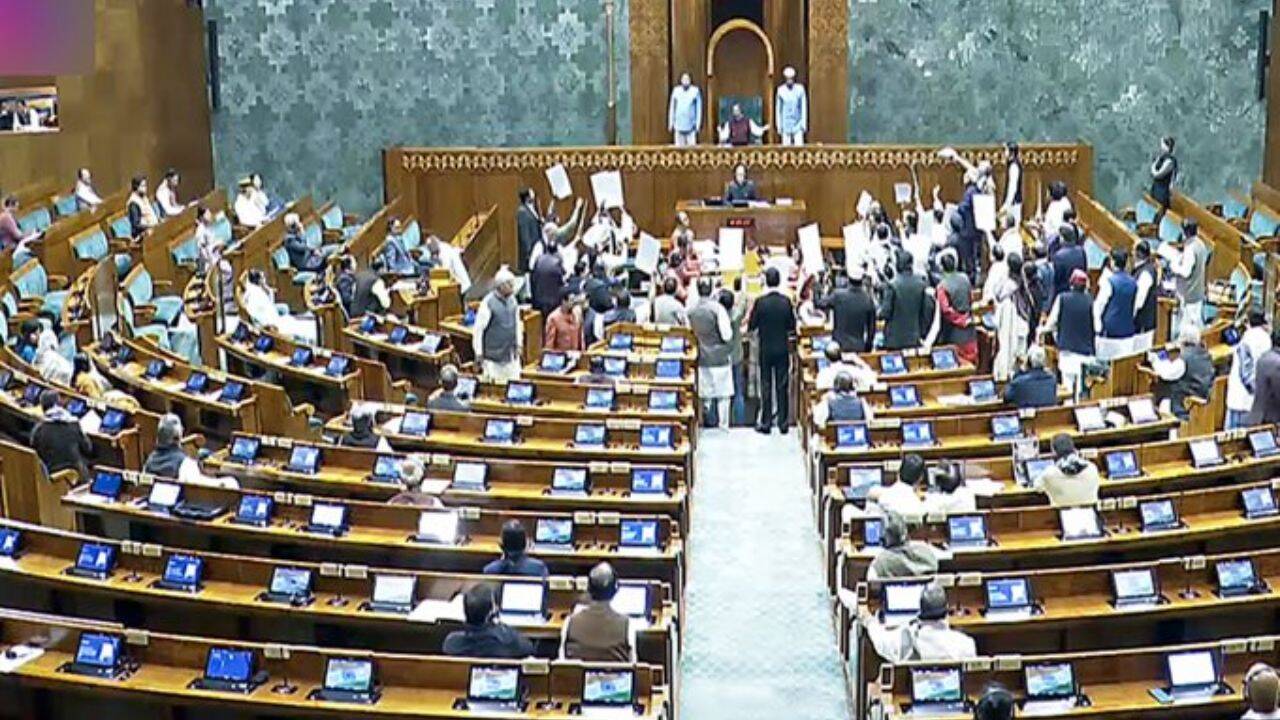
New Delhi – Following Home Ministry guidelines that made playing the national anthem mandatory at official events, the Union Cabinet has cleared the Prevention of Insults to National Honour (Amendment) Bill. The bill seeks to punish anyone who insults or prevents the singing of Vande Mataram, and it is slated for introduction in the Lok Sabha when the Parliament reconvenes on July 20.
Historical Significance and Lingering Controversy
Composed by Rabindranath Tagore in 1905 as part of the poem “Nayika,” Vande Mataram became a rallying cry during India’s freedom struggle. Its verses, however, contain imagery rooted in Hindu tradition, prompting objections from sections of the Muslim community. Over the past decades, several state governments and opposition parties have either omitted the song from official functions or faced legal challenges for its rendition, sparking debates over secularism versus cultural heritage.
Core Provisions and Penalties
The amendment explicitly defines “insult” to provide clarity to courts that are currently hearing multiple cases on the subject. Any individual found deliberately disrespecting or obstructing the performance of Vande Mataram will face criminal prosecution, akin to offences related to the national anthem, the national flag, and the Constitution. By extending comparable legal protection, the government signals its intent to treat all supreme symbols uniformly.
Political Context and Future Legislative Agenda
The ruling Bharatiya Janata Party (BJP) argues that previous “secular” administrations capitulated to minority pressure, denying the song its rightful place in the national narrative. Critics, however, warn that the bill may curtail free speech and exacerbate communal tensions. While the Vande Mataram bill garners attention, the opposition is also pushing for long‑pending reforms such as delimitation and a women’s reservation bill slated for 2029, though the Lok Sabha secretariat’s list of upcoming bills does not yet mention them.
Other Bills Awaiting Debate
Alongside the Vande Mataram amendment, the session will see a host of other significant measures: the Registration of Births and Deaths (Amendment) Bill seeks stricter registration protocols; the Supreme Court (Number of Judges) Amendment Bill formalises the increase of judges from 33 to 37; the Foreign Contribution (Regulation) Amendment Bill, criticised for targeting NGOs, will be debated; and the Viksit Bharat Shiksha Adhishthan Bill aims to overhaul higher‑education regulation. Collectively, these proposals reflect the government’s broader agenda on national security, judicial efficiency, and educational reform.