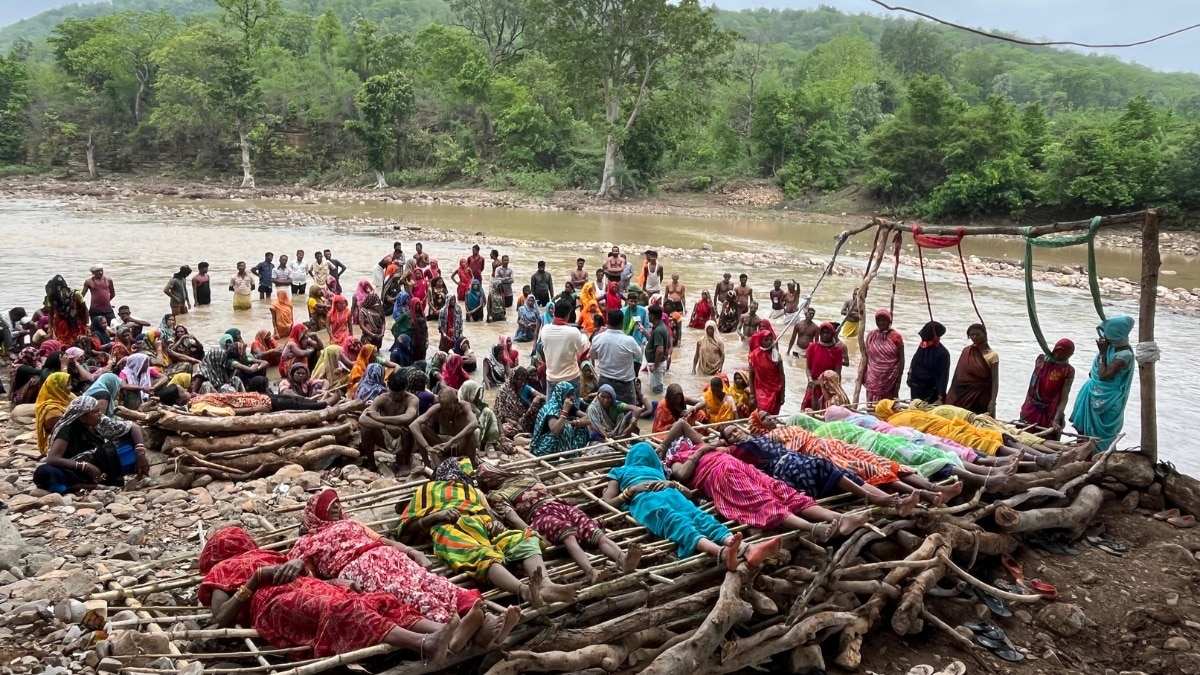
A wave of extreme symbolic protests has swept through tribal pockets of Madhya Pradesh, with Adivasis sitting on funeral pyres and putting nooses around their necks. These desperate acts highlight the deep-seated crisis over land rights, systemic displacement, and the flawed implementation of the Forest Rights Act.
Key Takeaways
- Desperate symbolic protests by tribals in Madhya Pradesh highlight severe land rights conflicts.
- Failures in implementing the Forest Rights Act (2006) leave millions of Adivasis vulnerable to eviction.
- Activists call for urgent state intervention to address historical injustices and prevent escalation.
Shocking images of tribal protesters sitting atop funeral pyres and tying nooses around their necks in Madhya Pradesh have sent shockwaves across the nation. Far from actual suicide attempts, these highly charged, symbolic acts represent an existential cry for help against systemic apathy and the constant threat of eviction from their ancestral lands. For these indigenous communities, losing their land is equivalent to a death sentence, prompting them to stage these dramatic demonstrations to capture the state's attention.
The Conflict Over the Forest Rights Act (FRA)
At the heart of this volatile issue lies the Forest Rights Act (FRA) of 2006. This landmark legislation was enacted to correct the 'historical injustice' meted out to forest-dwelling communities by recognizing their traditional land rights. However, due to bureaucratic red tape, corruption, and an aggressive stance by the Forest Department, hundreds of thousands of land claims (pattas) filed by tribals have been summarily rejected. This has turned a protective law into a tool of disenfranchisement, leaving tribals vulnerable to being branded as 'encroachers'.
Development vs. Indigenous Survival
In tribal-dominated districts such as Khandwa, Burhanpur, and Dewas, the push for green conservation zones, afforestation projects, and infrastructure development has directly clashed with tribal survival. Armed with eviction notices, forest officials often demolish tribal settlements, leading to violent confrontations. Deprived of legal recourse and proper rehabilitation, these marginalized communities feel they have no option but to resort to extreme measures—like simulating their own deaths—to make their grievances heard in the power corridors of Bhopal and New Delhi.
Political Implications and the Road Ahead
Madhya Pradesh is home to one of India's largest tribal populations, making them a crucial voting bloc that political parties actively court during elections. Despite lofty political promises, the ground reality remains grim. Sociologists and tribal rights activists warn that suppressing these protests through force will only deepen the alienation. To resolve this crisis permanently, the state government must review rejected FRA claims transparently and prioritize the dignity and livelihood of its indigenous citizens over bureaucratic targets.