The imposition of a new 100 rupee entry fee in Nainital has triggered significant backlash from residents and tourists alike. While officials cite crowd control as the reason, critics argue this move could severely hamper the region's thriving tourism economy.
Key Takeaways
- Nainital administration enforces a 100 rupee entry fee for vehicles and tourists entering the town.
- Local businesses and citizens have expressed strong opposition to the sudden implementation of the tax.
- Experts warn that the increased cost might divert tourists to alternative hill stations, impacting local livelihoods.
Nainital, often referred to as the 'Lake District of India,' has found itself amidst a raging controversy following the administration's decision to impose a mandatory entry fee of 100 rupees. This move, ostensibly designed to manage the surging footfall in this popular Uttarakhand hill station, has instead ignited a firestorm of criticism. The decision comes at a precarious time when the tourism sector is attempting to stabilize following the disruptions caused by the global pandemic.
The New Tax and Administrative Rationale
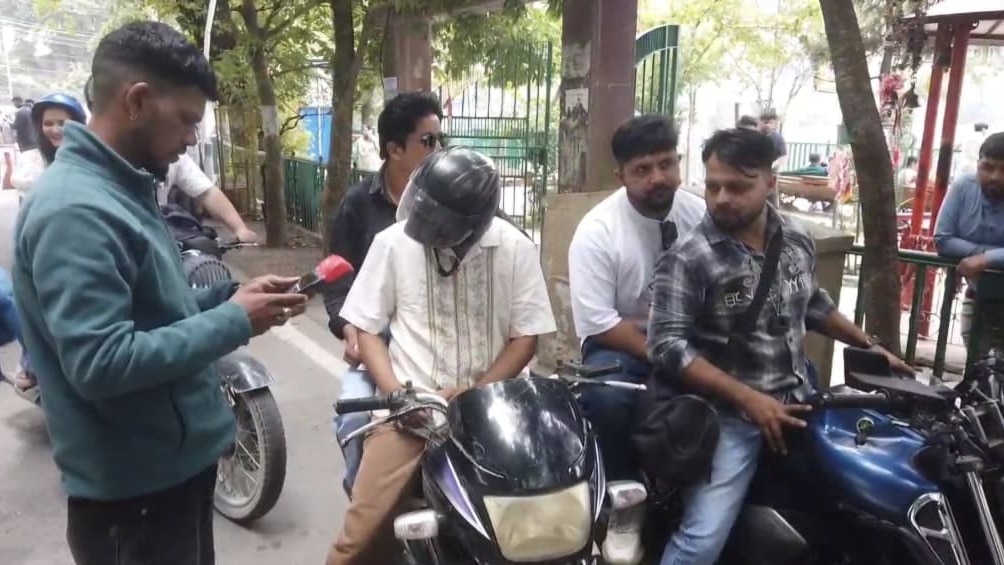
Official sources claim that the revenue generated from this 'eco-tax' or entry fee will be utilized for maintaining civic amenities, including waste management, road repairs, and security enhancements. The administration argues that the unchecked influx of vehicles has degraded the town's ecology and infrastructure. However, the lack of prior consultation and the abrupt enforcement have caught many off guard. The fee applies not just to tourists from other states, but also to commuters from neighboring areas who visit the town daily for work or essential supplies, adding to their financial burden.
Public Outcry and Business Concerns
The strongest resistance is emerging from the local hospitality sector and trade unions. Hotel owners and shopkeepers fear that this additional financial barrier will deter tourists, especially budget travelers who form a significant chunk of Nainital's visitors. With fuel prices already soaring, the prospect of paying an entry tax is seen as a deterrent that could force tourists to explore cheaper, less regulated destinations. Social media platforms are rife with complaints, with many netizens terming the move as 'taxing nature' and an exploitative measure against the common man.
Implications for Future Tourism Policy
This incident raises critical questions regarding the sustainability of tourism models in Himalayan states. Is levying taxes the only viable solution for crowd management, or should the focus shift towards better infrastructure and decentralized tourism promotion? Analysts suggest that without visible improvements in facilities, such taxes are perceived merely as revenue grabs rather than conservation efforts. The challenge for the administration now is to balance ecological preservation with economic viability, ensuring that Nainital remains an accessible and welcoming destination for all.