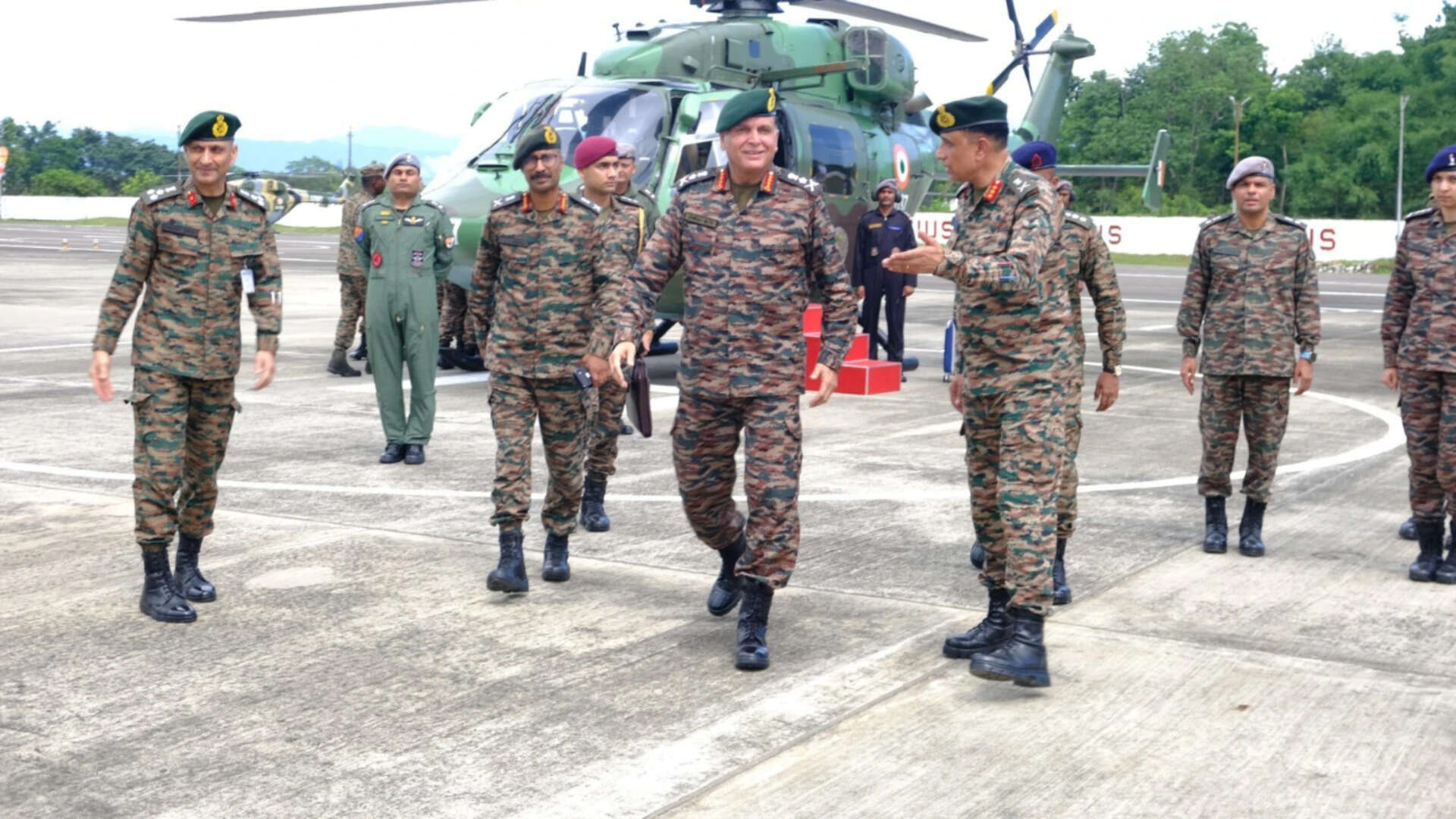
Army Chief General Dhiraj Seth visited the strategically sensitive Siliguri Corridor to review India's defense preparedness. The government is rapidly upgrading infrastructure, including underground rail links and highway expansions, to secure this vital narrow land bridge.
Key Takeaways
- Army Chief General Dhiraj Seth reviewed security at the highly sensitive Siliguri Corridor.
- The narrow 'Chicken's Neck' corridor connects mainland India with the eight Northeastern states.
- Infrastructure upgrades include a new 35-km underground railway line and highway expansions.
- General Seth outlined his 'VIJAY' vision focusing on Vigilance, Innovation, Jointness, Self-reliance, and Warrior First.
Indian Army Chief General Dhiraj Seth recently concluded a high-level security review of the strategically vital Siliguri Corridor, often referred to as the "Chicken's Neck." Visiting the Bengdubi Military Station and key formations under the Eastern Command, the Army Chief assessed India's operational readiness in a corridor that remains one of the country's most sensitive geopolitical choke points.
The Siliguri Corridor is a narrow strip of land, measuring less than 20 kilometers at its tightest bottleneck, sandwiched between Nepal and Bangladesh. Geopolitically, it is the sole land bridge connecting mainland India to its eight Northeastern states, including Arunachal Pradesh and Assam. Its proximity to China’s Chumbi Valley makes it incredibly vulnerable to hostile blockades, meaning any disruption here could temporarily isolate the Northeast from the rest of the nation.
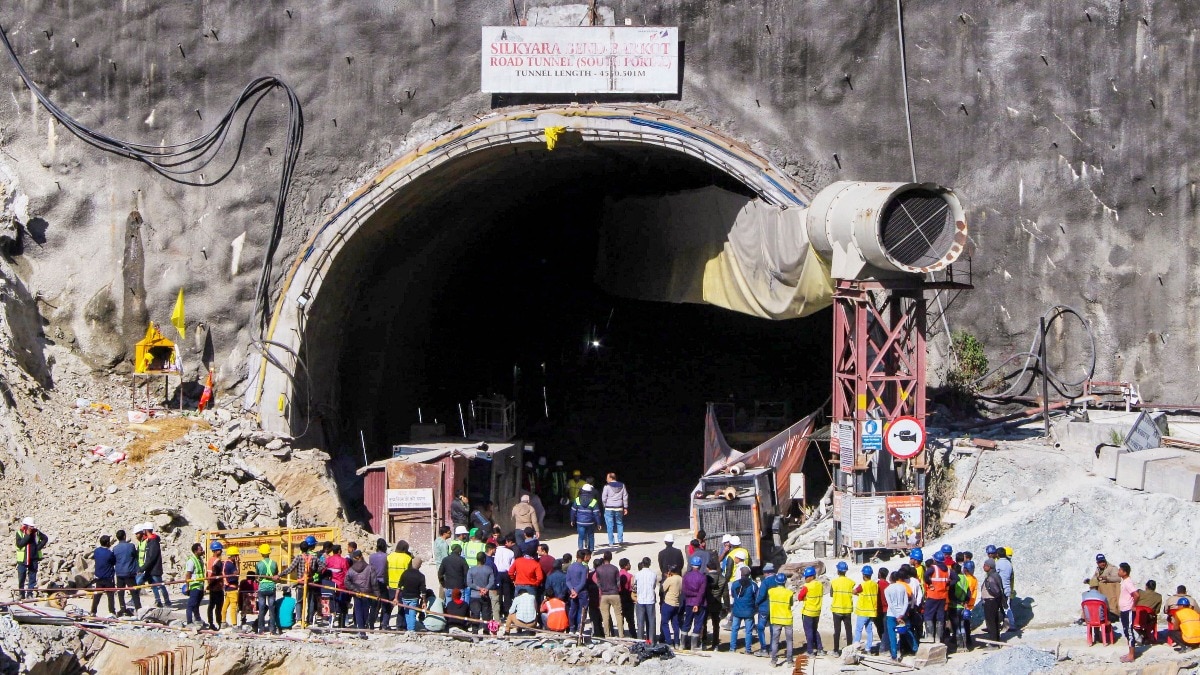
To mitigate this vulnerability, the Indian government has initiated a massive infrastructure overhaul. Key developments include a planned 35-km underground railway line designed to secure logistics and military supplies from aerial sabotage or artillery strikes. Additionally, the West Bengal government has handed over crucial national highway stretches to central agencies like the National Highways Authority of India (NHAI) to accelerate road widening, while over 120 acres of land have been allocated to the Border Security Force (BSF) to bolster surveillance.
The region’s defense is further fortified by the Bagdogra Airport and the Hasimara Air Force Station, which houses the IAF’s prestigious 101 Squadron operating Rafale fighter jets. During his tour, General Seth also visited the Nagaland-based 3 Corps (Spear Corps) to evaluate inter-agency coordination and combat readiness along the eastern borders.
Emphasizing the future trajectory of the armed forces, General Seth introduced his strategic roadmap under the acronym 'VIJAY', which stands for Vigilance, Innovation, Jointness, Atmanirbharta (Self-reliance), and Yodha First (Warrior First). This framework aims to transform the Indian Army into an agile, highly adaptive, and technology-driven fighting force capable of tackling multi-domain threats.