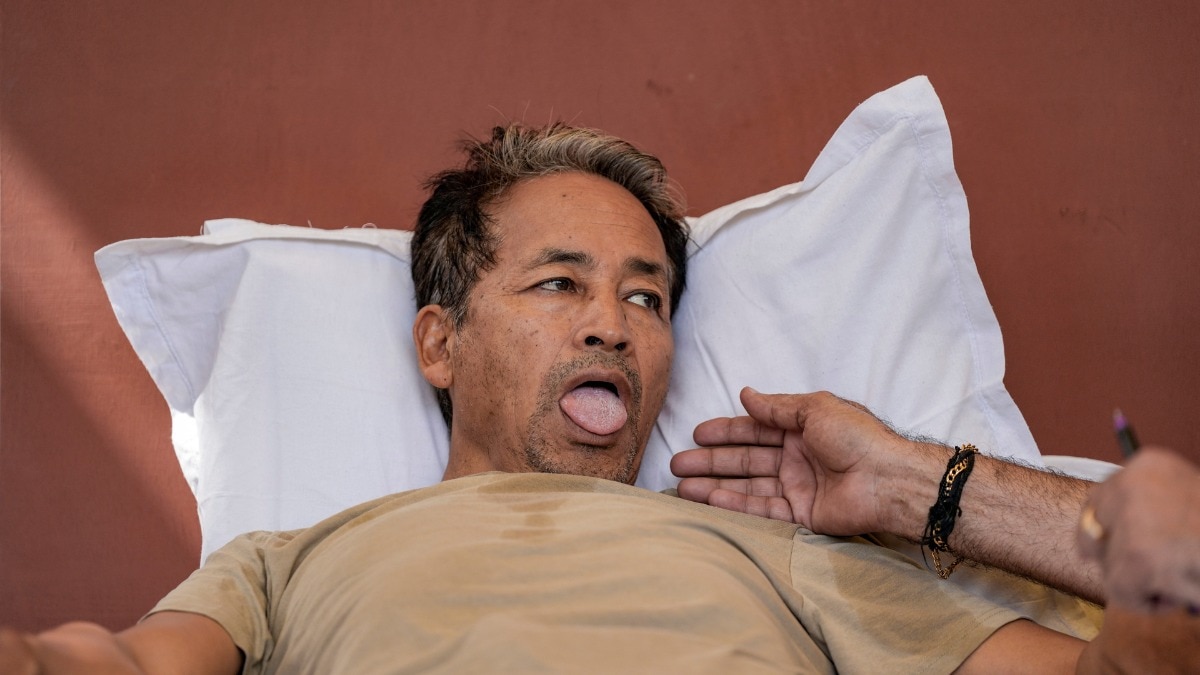
The Delhi High Court has directed the central government to ensure regular medical monitoring of climate activist Sonam Wangchuk during his ongoing hunger strike. The court emphasized that every citizen's life is invaluable.
Key Takeaways
- Climate activist Sonam Wangchuk has been on a hunger strike at Jantar Mantar for 19 days.
- The Delhi High Court emphasized that 'life is precious' and ordered immediate medical intervention if needed.
- The Solicitor General assured the court that medical experts are monitoring Wangchuk's health daily.
- The legal intervention focuses on ensuring the safety and health of the activist amidst his protest for Ladakh's rights.
The ongoing protest led by renowned climate activist Sonam Wangchuk has reached the halls of the Delhi High Court. Amidst growing concerns over his deteriorating health, the court heard a Public Interest Litigation (PIL) filed regarding his safety and well-being. During the proceedings, the court delivered a poignant reminder to the state, asserting that "life is precious" and must be protected at all costs.
Court's Mandate to the Government
During the hearing, the court's primary concern was whether a systematic arrangement existed to monitor Wangchuk's vitals. Responding to the court, the Solicitor General stated that regular medical check-ups are being conducted by government doctors, and Wangchuk is being kept informed about his health status. He further noted that private doctors have also visited the site with Wangchuk's consent. However, the High Court went a step further, directing the government to act decisively based on medical reports. The court mandated that if doctors suggest any medical intervention, the government must act immediately without hesitation.
Context of the Protest: The Battle for Ladakh
To understand the gravity of this situation, one must look at the broader context of Wangchuk's movement. He has been protesting at Jantar Mantar to demand constitutional safeguards for Ladakh, specifically seeking inclusion under the Sixth Schedule of the Indian Constitution. His movement aims to protect the fragile Himalayan ecology and the unique cultural identity of the Ladakhi people from unplanned industrialization and environmental degradation.
Implications of the Judicial Intervention
The High Court's intervention underscores the judiciary's role as a watchdog for fundamental rights and human dignity. While the Solicitor General's assurance of medical oversight provides a temporary safety net, the core issue remains the political and environmental demands of the protesters. The tension between the state's duty to maintain order and the citizen's right to peaceful protest continues to be a critical point of discourse in Indian democracy. The outcome of this legal scrutiny will likely influence how the government handles high-stakes environmental and regional protests in the future.