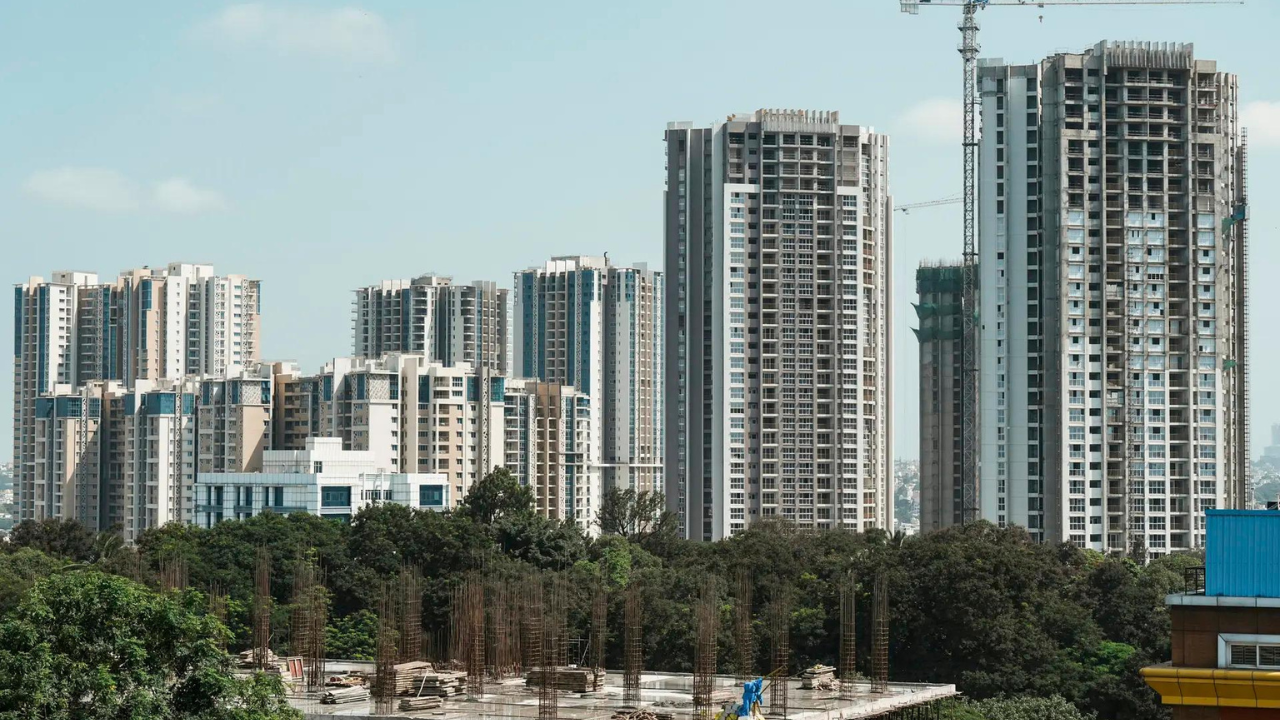
The Karnataka government has introduced a new bill to modernize apartment ownership, replacing the archaic 1972 Act. This legislation clarifies ownership rights, mandates structural audits for aging buildings, and establishes a streamlined dispute resolution mechanism.
Key Takeaways
- The bill replaces the archaic 1972 Karnataka Ownership Flats Act.
- Clarifies land ownership rights and defines common areas.
- Mandates structural safety audits for buildings over a certain age.
The Karnataka government has taken a decisive step towards modernizing urban living by proposing a comprehensive new bill aimed at governing apartment ownership and management. This significant legislative move seeks to replace the Karnataka Ownership of Flats Act, 1972, a framework that has long been considered ill-equipped to handle the complexities of modern high-density living and the intricate real estate dynamics of cities like Bengaluru.
Clarity on Ownership and Land Rights
One of the most critical aspects of the proposed bill is its focus on clarifying the often ambiguous definitions of land and common area ownership. Under the current system, many flat owners find themselves in legal grey areas regarding the title of the land on which their apartment stands. The new legislation promises to define these rights with precision, ensuring that owners have a clear claim to their undivided share of the land and common amenities, thereby reducing litigation.
Safety and Structural Audits
In a bid to enhance urban safety, the bill introduces mandatory structural checks for older buildings. As the real estate stock ages, the risk of structural failures increases, posing a threat to residents. By enforcing regular structural stability audits, the government aims to identify potentially hazardous buildings early and mandate necessary retrofitting or repairs, prioritizing human life over bureaucratic inertia.
Streamlined Dispute Resolution
Perhaps the most welcoming change for residents' welfare associations (RWAs) and individual owners is the introduction of a two-tier dispute resolution system. Real estate disputes in India are notoriously slow to resolve due to the burden on civil courts. This new mechanism will likely involve a dedicated authority and an appellate tribunal to handle conflicts between owners and builders or among residents themselves, ensuring faster and more specialized justice.