Following the deadly ambush in Manipur's Ukhrul district, India's Central Reserve Police Force (CRPF) has overhauled its Standard Operating Procedures and sent elite CoBRA commandos for specialized training in Silchar, Assam. The move is part of a broader strategy to curb rising ethnic unrest in the troubled state.
मुख्य बिंदु (Key Takeaways)
- New SOPs introduced after the Ukhrul ambush.
- CoBRA commandos received targeted training in Silchar for Manipur's unique challenges.
- Guidelines now emphasize route sanitisation, intelligence‑driven ops, and heightened commander accountability.
India's Central Reserve Police Force (CRPF) has revamped its operational playbook to stabilize the volatile security environment in Manipur. The overhaul comes days after a July 6 militant attack in Ukhrul district that killed two Assam Rifles personnel, prompting the force to issue stricter Standard Operating Procedures for all units deployed in the state.
Specialised Training for CoBRA Commandos
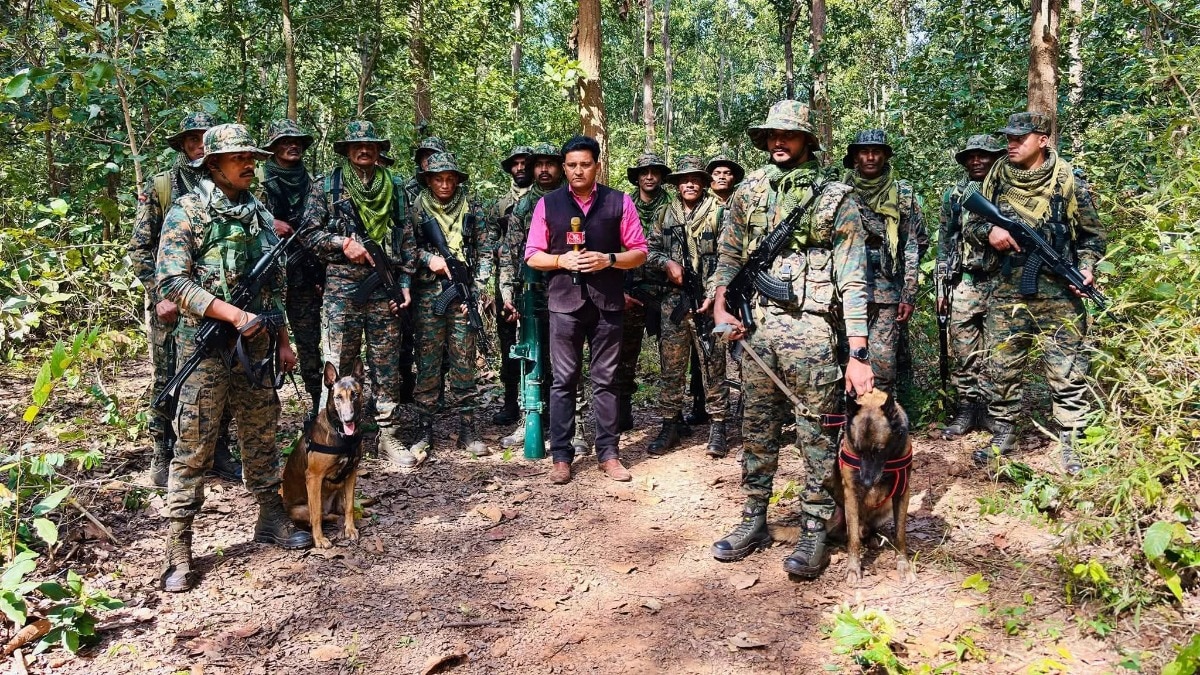
In Silchar, Assam, an intensive orientation programme prepared CoBRA (Commando Battalion for Resolute Action) commandos for the nuanced threats of Manipur. Originally raised for counter‑Naxal operations, the elite unit has now been trained in ethnic‑unrest management, crowd control, civilian‑sensitive policing, and intelligence‑based missions. The curriculum covered crowd‑management drills, convoy protection, area‑domination exercises, and familiarisation with Manipur’s rugged terrain.
Enhanced Equipment and Force Deployment
To augment troop safety, the CRPF has deployed nearly 100 Marksman armoured vehicles across vulnerable districts. These vehicles support troop movement, area‑dominance patrols, and provide protection against small‑arms fire and IED attacks. Currently, more than 300 companies—including 206 CRPF, 100 BSF, 21 Assam Rifles, and other CAPF units—operate alongside the Army and Manipur Police.
Strategic Outlook and Potential Impact
The combination of tightened SOPs, advanced training, and upgraded armour aims to curb violence, protect civilians, and restore normalcy in Manipur. Security analysts warn, however, that a purely militaristic approach cannot resolve deep‑rooted grievances; political dialogue and socio‑economic development remain essential for lasting peace.