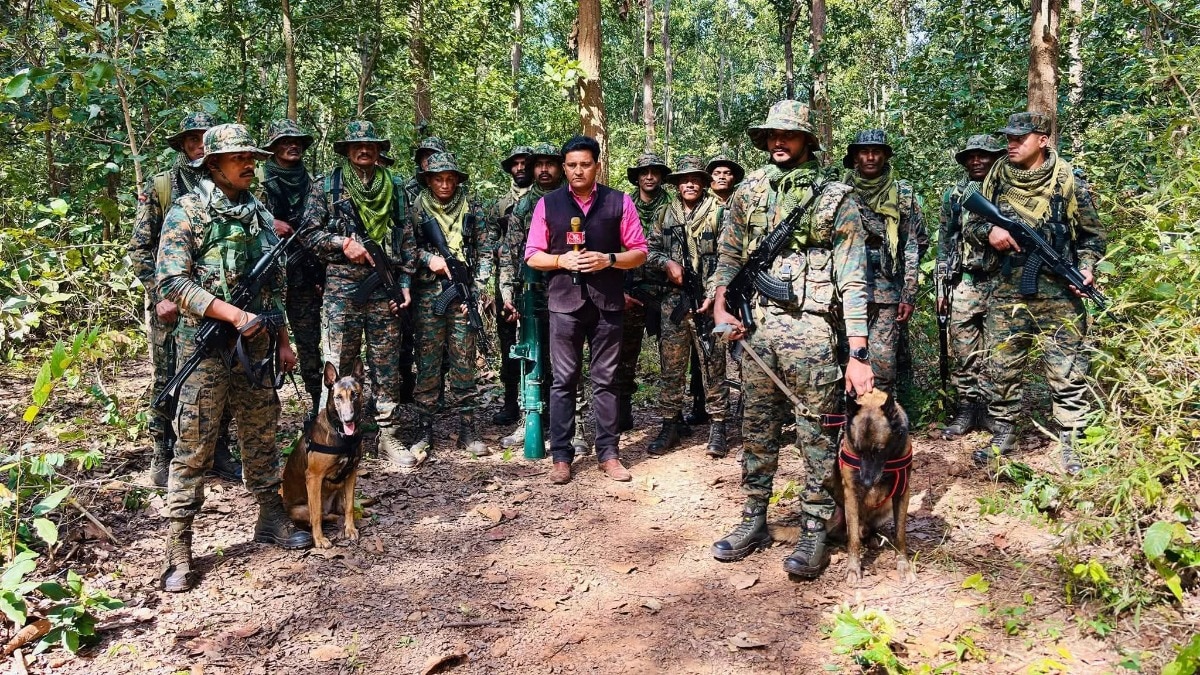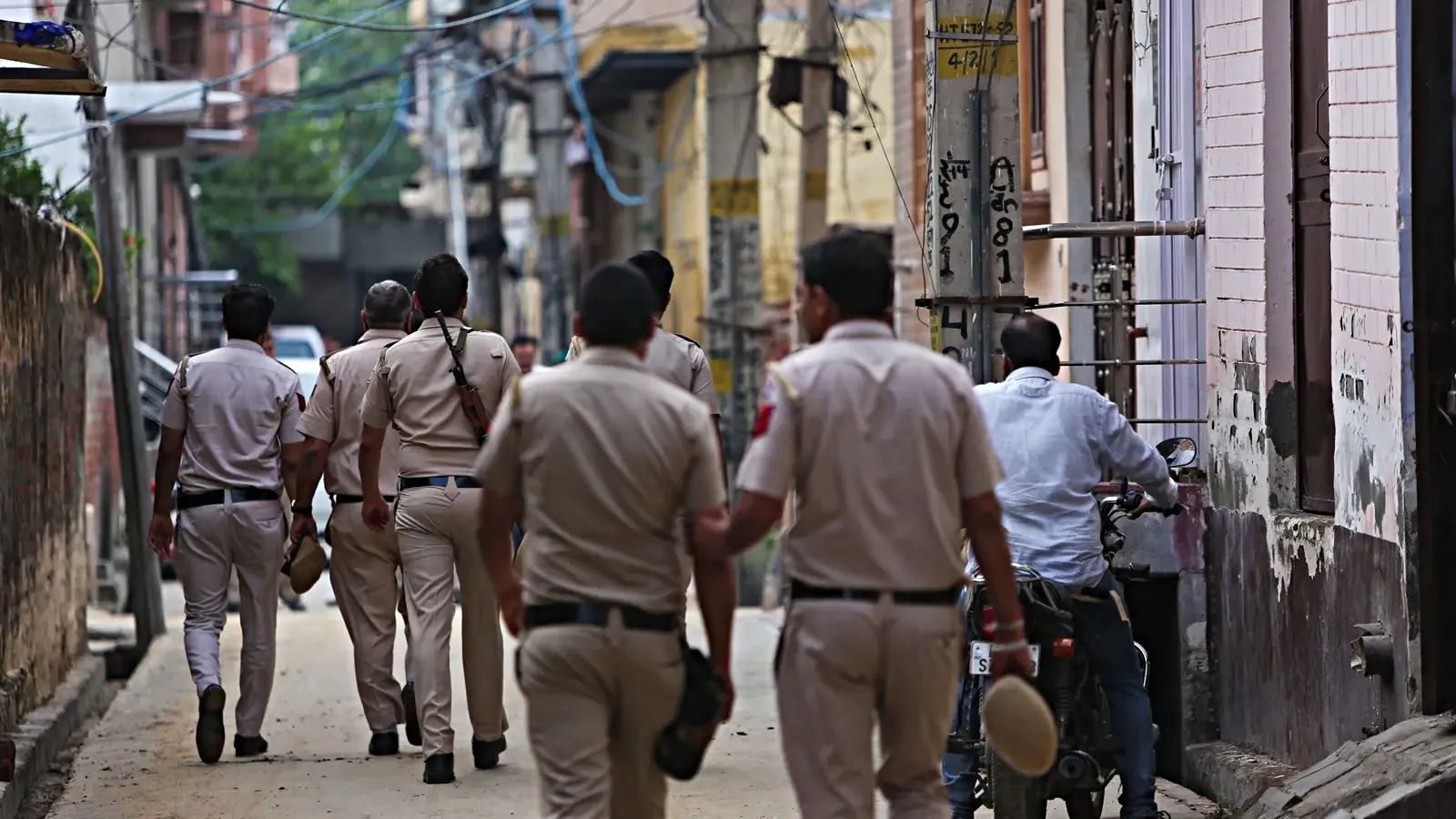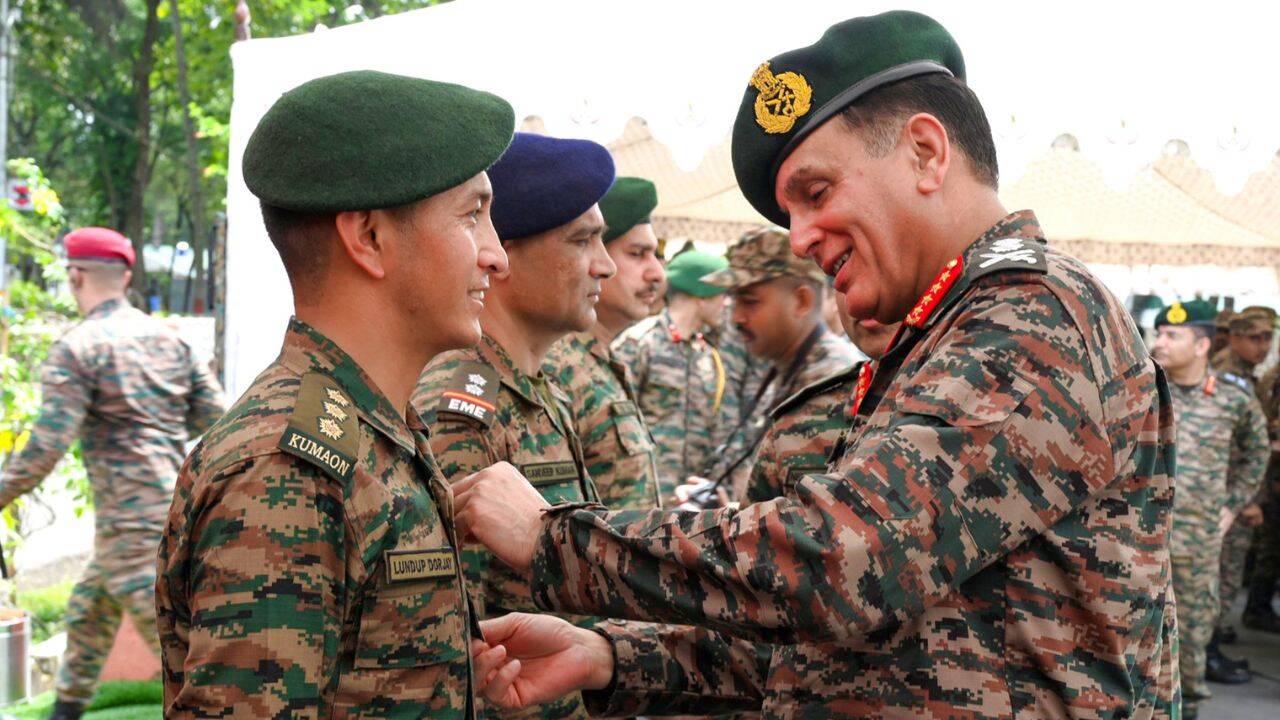
Army Chief General Dhiraj Seth inspected key Eastern Command formations, evaluating operational readiness at the strategic base near the Siliguri Corridor. He highlighted internal security, disaster relief, and emerging technology integration, urging all ranks to stay mission‑focused.
Key Takeaways (मुख्य बिंदु)
- Army Chief Dhiraj Seth inspected a base near the Siliguri Corridor
- Readiness of IV, XXXIII and III Corps was assessed
- Emphasis on internal security, disaster response and tech upgrades
New Delhi: On July 17, Army Chief General Dhiraj Seth embarked on a two‑day tour of the Eastern Command, focusing on the operational preparedness of units stationed around the Siliguri Corridor – the narrow ‘Chicken’s Neck’ that links India’s northeast with the rest of the country.
Strategic Significance of the Siliguri Corridor
The corridor, less than 20 km wide at its narrowest point, is the sole road and rail artery connecting the northeastern states to mainland India. Its vulnerability makes it a critical focal point for national security, prompting the armed forces to maintain a high state of alert and rapid response capability.
Key Installations Visited
General Seth began at the Bengdubi military station, where he received a briefing on the current security environment, force posture, and ongoing capability‑development projects. He then moved to the IV Corps headquarters in Tezpur (the Gajraj Corps), reviewing anti‑terror, disaster‑relief, and community‑outreach initiatives.
Subsequent stops included the XXXIII Corps (Trishakti Corps) headquarters in Sukna and the III Corps (Spear Corps) in Dimapur. Both corps host medium‑range surface‑to‑air missile (MR‑SAM) regiments, artillery brigades, and an Army Aviation helicopter squadron based at Sevoke, underscoring their multi‑domain operational depth.
Security, Inter‑Agency Cooperation and Technological Innovation
The chief was apprised of the corps’ close coordination with civil administration, central armed police forces, and local authorities through development projects, community programmes, and disaster‑relief operations in Assam and Meghalaya. He praised their swift response during floods and landslides, noting the positive impact on civilian safety.
General Seth also highlighted the adoption of emerging technologies—drone‑based surveillance, cyber‑resilience platforms, and advanced communication networks—that have enhanced situational awareness and combat effectiveness. He urged all ranks to remain mission‑focused, strengthen inter‑agency synergy, and uphold the highest standards of readiness in an evolving multi‑domain environment.
The Trishakti Corps, constantly on alert due to its strategic responsibilities, exemplifies India’s commitment to safeguarding the corridor. Its perpetual readiness is a cornerstone of the nation’s broader defence posture.