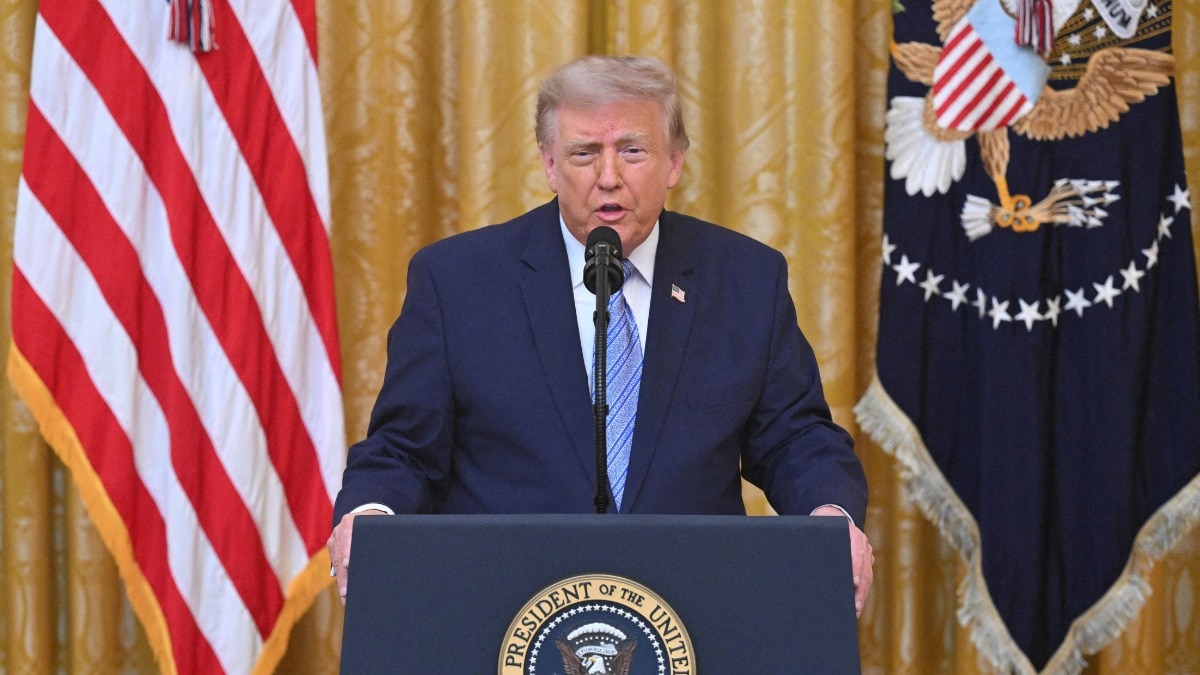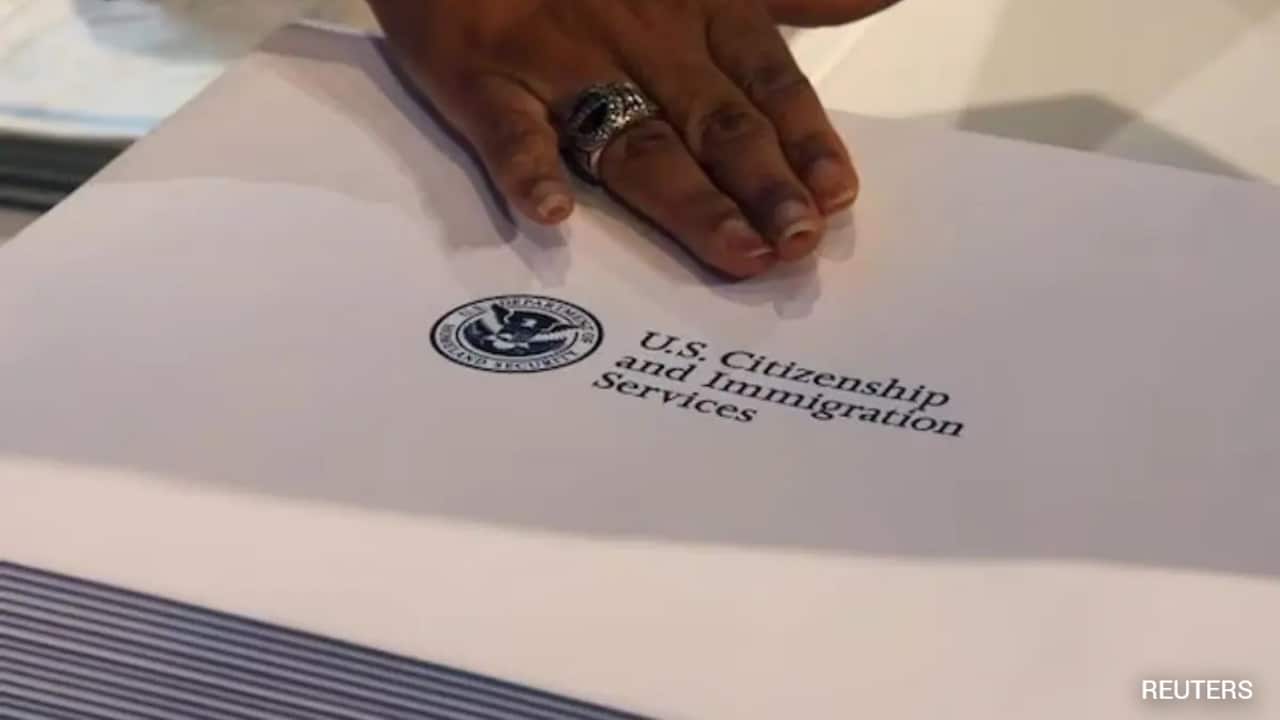
The United States recorded 22.8 million non‑citizens living in the country in 2023, according to the Census Bureau. The Trump administration has revived a rule that could deny green cards to immigrants who receive public benefits such as food stamps, Medicaid, and housing vouchers. This move signals a major shift in U.S. immigration policy.
मुख्य बिंदु (Key Takeaways)
- Trump administration revives public‑benefit based green‑card denial rule.
- Food stamps, Medicaid, housing vouchers and similar aid may trigger denial.
- Policy could affect 22.8 million non‑citizens residing in the U.S.
According to the 2023 Census Bureau data, roughly 22.8 million non‑citizens call the United States home, ranging from refugees and students to skilled workers and those seeking permanent residency. A sizable portion of this population relies on public assistance programs such as Supplemental Nutrition Assistance Program (SNAP), Medicaid, and housing vouchers.
Background: The Public‑Charge Rule
The original “public‑charge” provision was tightened in 2019 under the Trump administration, requiring visa and green‑card applicants to prove they would not become a public burden. After extensive litigation and public outcry, the Biden administration paused the rule in 2021. However, political pressure from conservative lawmakers and immigration‑restriction advocates has reignited the debate, leading to the current revival.
Scope and Immediate Impact
Under the revived regulation, any applicant or existing green‑card holder who utilizes SNAP, Medicaid, or housing assistance may face a denial or revocation of permanent‑resident status. The rule disproportionately targets low‑income immigrants and refugees who often depend on these safety‑net programs for basic needs.
Political and Social Reactions
Congress remains sharply divided. Republicans champion the measure as a safeguard for American taxpayers, while Democrats label it a violation of human rights and an impediment to economic growth. Advocacy groups have organized protests and are preparing legal challenges, arguing that the rule contravenes both domestic law and international obligations.
Future Implications
If sustained, the policy could reshape labor market dynamics, especially in sectors that rely on low‑wage workers who frequently access public benefits. Moreover, it may hinder the integration and economic stability of immigrant communities, influencing broader immigration reform discussions for years to come.