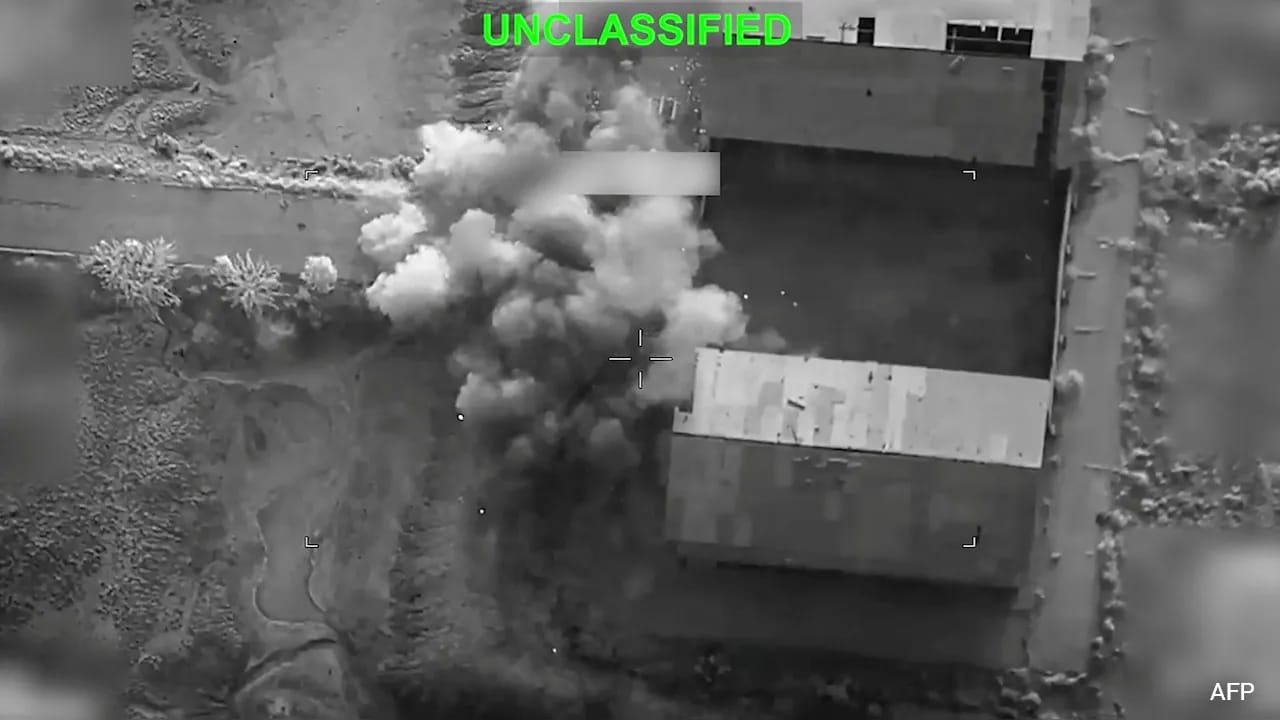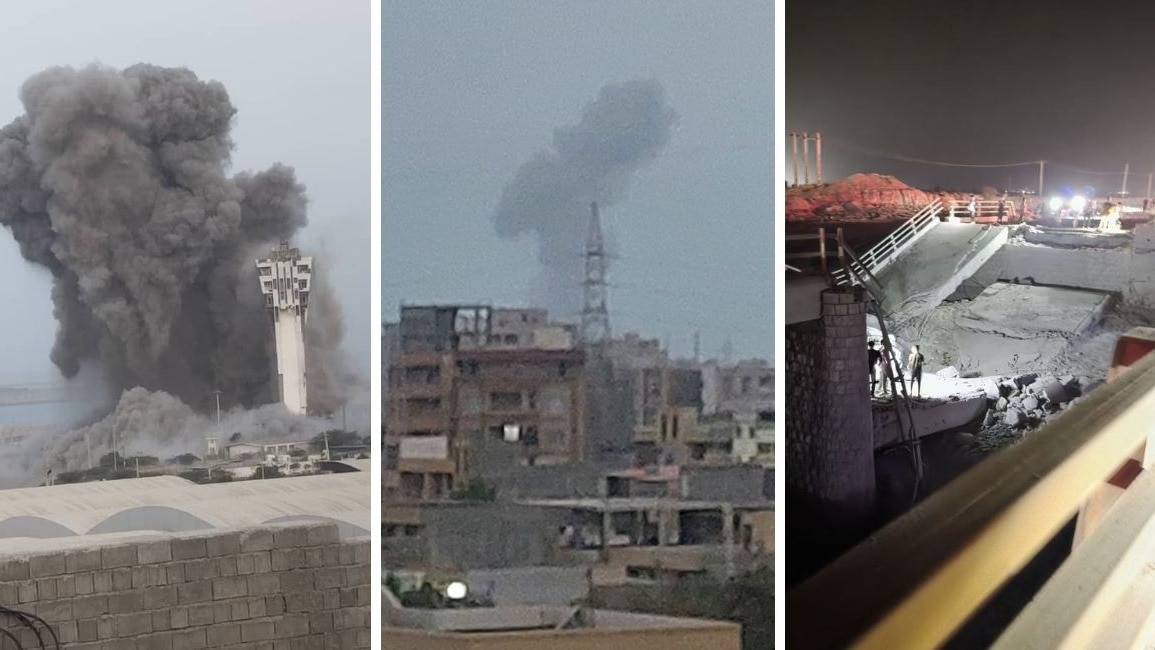
The United States has launched a series of devastating missile strikes against Iran's critical infrastructure, including power stations and communication towers. Iran has responded by targeting US-allied positions in Gulf nations, raising fears of a wider regional war.
Key Takeaways
- The US targeted not just military bases but also civilian infrastructure like bridges, airports, and power grids in southern Iran.
- Iran retaliated by launching missiles toward US-aligned territories in Qatar, Bahrain, and Kuwait.
- The conflict threatens the Strait of Hormuz, a vital artery for global oil supplies.
- Heightened tensions could lead to a total blockade of Red Sea shipping routes via Houthi rebels.
The conflict between the United States and Iran has escalated to a perilous new level. In a massive coordinated operation, the US military launched heavy airstrikes in the early hours of Friday, targeting southern Iran. Moving beyond traditional military objectives, the US has expanded its strike profile to include critical civilian infrastructure, including communication towers, bridges, and power stations. The US Central Command (CENTCOM) confirmed that combat aircraft, drones, and naval assets were utilized to degrade Iran's military logistics and its strategic grip on the Strait of Hormuz.
Targeting Strategic Infrastructure
The scale of destruction is significant. In the Hormozgan province, missile strikes reportedly destroyed at least five key bridges, including the Bandar Khamir bridge, resulting in casualties. Strategic locations such as Semnan—a hub for Iran's ballistic missile and space programs—and various airports in the south-eastern city of Iranshahr have also been hit. These strikes have caused widespread power outages and crippled the nation's internal logistics and communication networks.
Regional Retaliation and Escalation
Iran has not taken these strikes lightly. In a swift retaliatory move, Iranian forces launched missiles toward US-allied positions in Qatar, Bahrain, and Kuwait. In Qatar, air defense systems were activated to intercept incoming projectiles, while residents were advised to seek shelter. Tehran has issued a stern warning: any continued targeting of civilian infrastructure will result in a massive response against the critical energy and communication assets of the entire Gulf region.
Global Economic Implications
The geopolitical fallout is rapidly shifting toward the global economy. The Strait of Hormuz, through which a significant portion of the world's oil passes, is seeing unprecedented tension. Following the US naval blockade of Iranian ports, maritime traffic has plummeted. According to Lloyd's List, many cargo vessels are now attempting 'dark transits' by disabling their transponders to avoid detection. Furthermore, with Iran signaling the Houthi rebels in Yemen to prepare for a blockade of the Red Sea, the global energy market faces a potential catastrophic shock.