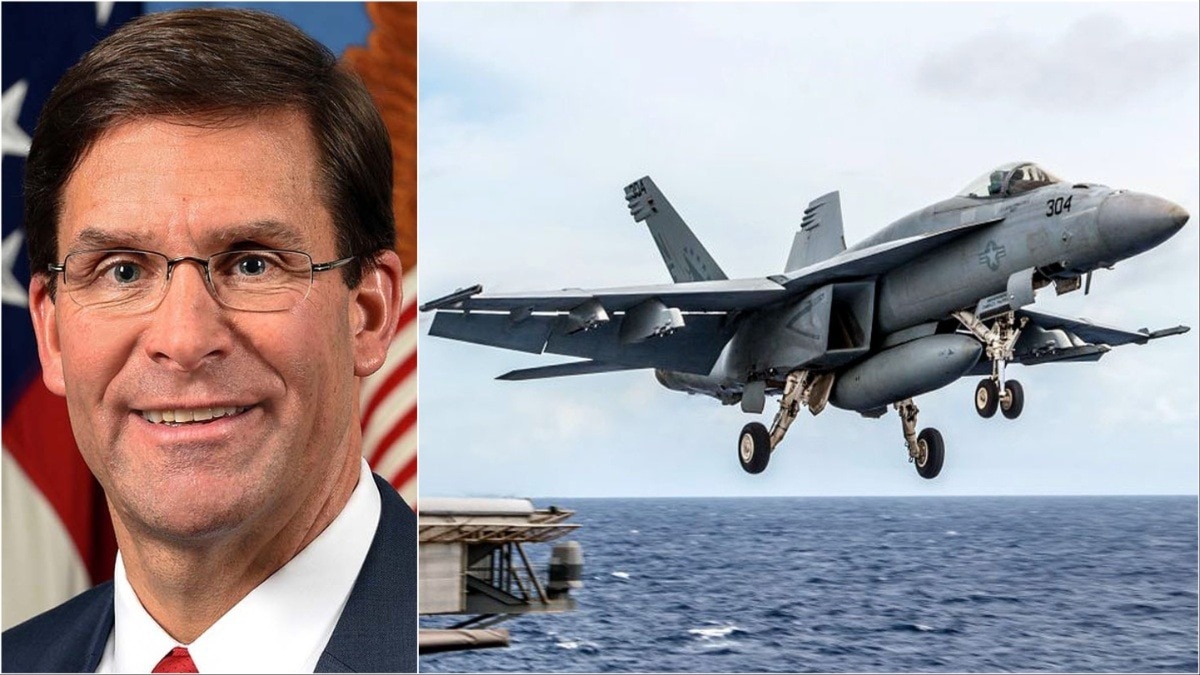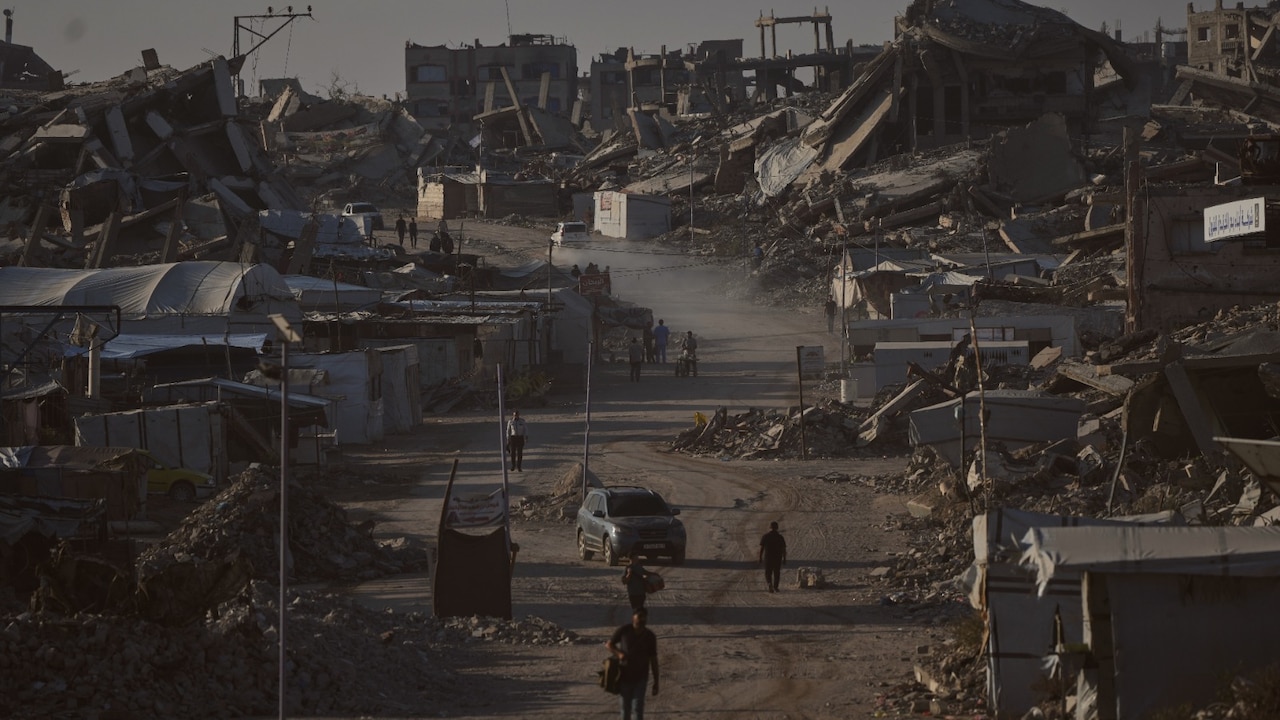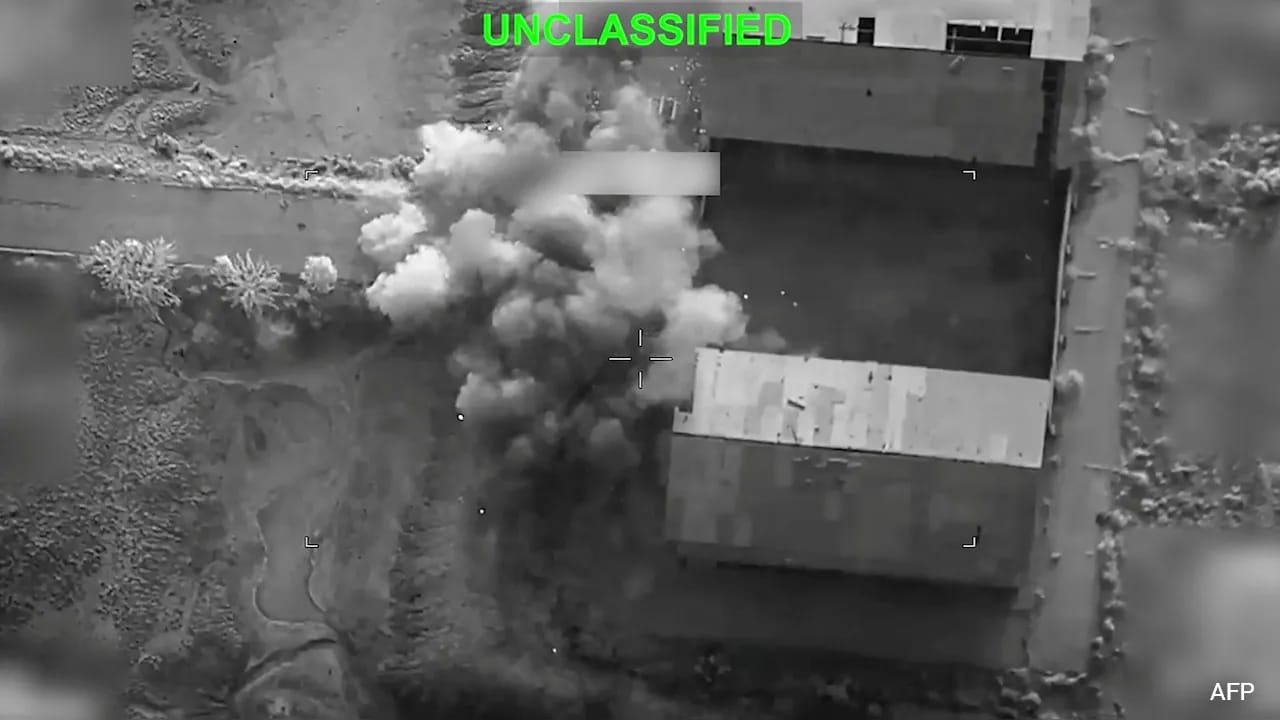
US Central Command (CENTCOM) conducted massive airstrikes on Iranian civilian infrastructure, including bridges and airports, resulting in at least 7 fatalities.
Key Takeaways
- US CENTCOM launched airstrikes on dozens of targets in Iran.
- Civilian infrastructure including bridges, airports, and train stations were hit.
- At least 7 casualties reported following the six consecutive nights of attacks.
- Escalating tensions following renewed threats against Iranian infrastructure.
The geopolitical landscape of the Middle East has reached a fever pitch as the United States military's Central Command (CENTCOM) confirmed a series of devastating airstrikes across Iran. These strikes, which concluded at dawn on Friday, mark the sixth consecutive night of intense American military operations. The scale of the bombardment suggests a significant escalation in the current conflict.
Targeting Civilian Infrastructure
In a move that has drawn immediate international scrutiny, the strikes specifically targeted critical civilian infrastructure. Reports indicate that bridges, airports, and railway stations were among the primary objectives. This shift toward targeting logistics and transport hubs has resulted in at least 7 confirmed deaths, though the toll among non-combatants is feared to be higher as emergency services struggle to reach the impact zones.
Strategic Implications and Motivations
Military analysts suggest that the targeting of transport networks—such as rail and air hubs—is a calculated attempt to paralyze Iran's internal logistics and supply chains. By disrupting the movement of goods and people, the US seeks to degrade the operational capacity of the Iranian state. This aggressive posture aligns with the recent rhetoric from the Trump administration, which has frequently threatened to target Iranian civilian infrastructure as a means of exerting maximum pressure.
A Region on the Brink
The continuous nature of these strikes, occurring night after night, signals a prolonged military campaign rather than a localized skirmish. The international community remains on high alert, fearing that these actions could trigger a massive retaliatory response from Tehran, potentially engulfing the entire Middle East in a wider regional war. The economic implications, particularly regarding global energy markets and oil stability, cannot be overstated.