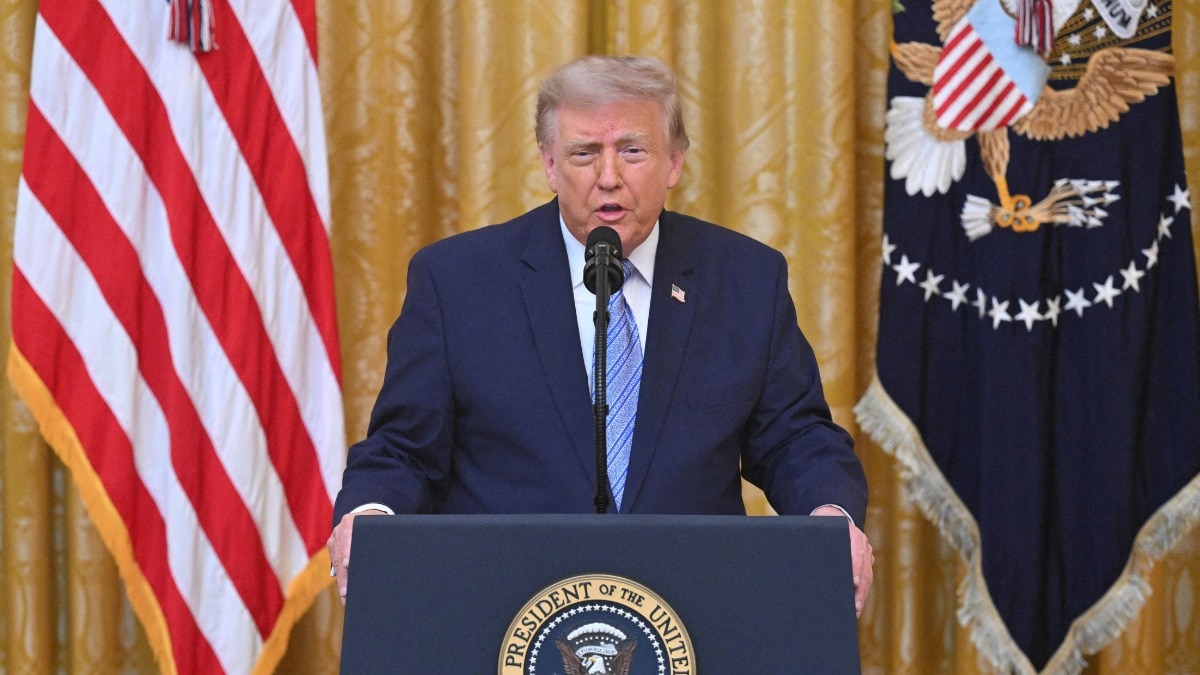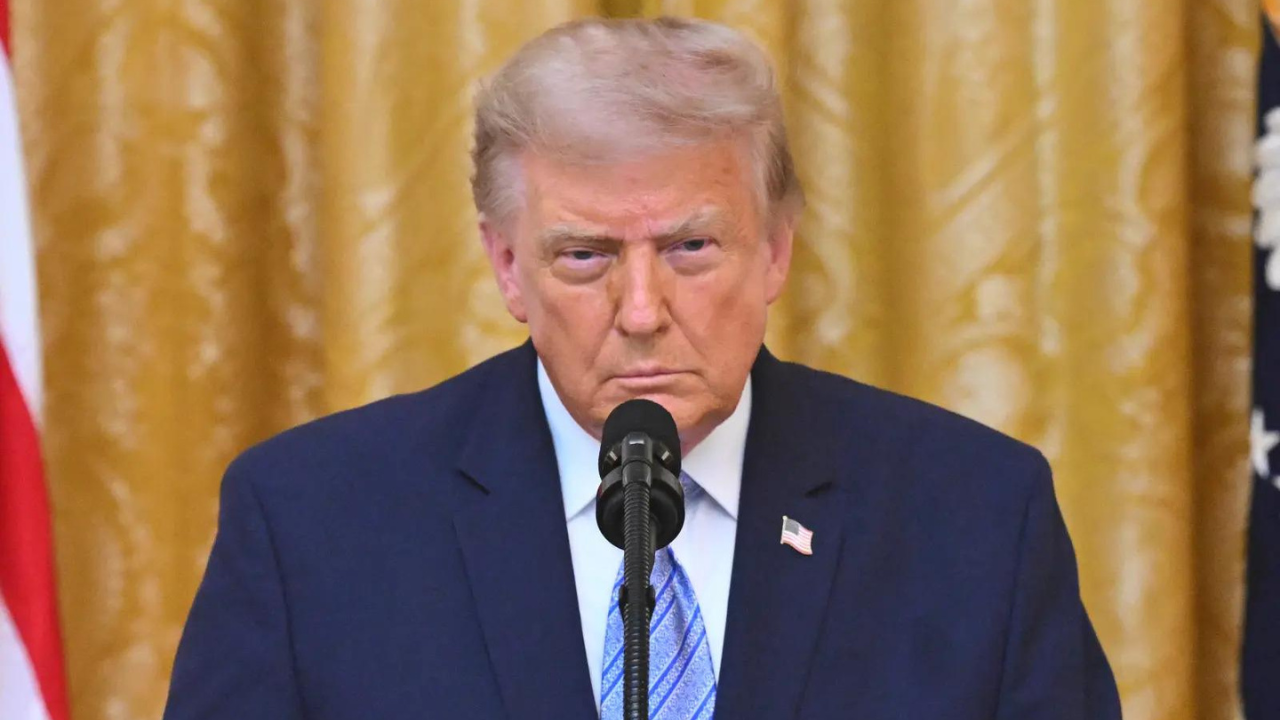
President Donald Trump disclosed classified documents claiming Beijing exfiltrated voter records of 220 million Americans, framing it as a covert interference in the 2020 presidential election. He accused U.S. intelligence agencies of concealing the breach from both the White House and Congress.
Key Takeaways (मुख्य बिंदु)
- China allegedly exfiltrated 220 million US voter files
- Trump frames the breach as part of Beijing's 2020 election meddling
- U.S. intelligence agencies allegedly hid the incident from the President and Congress
On July 17, 2026, President Donald Trump delivered a televised address in which he released declassified reports alleging that the People’s Republic of China carried out the largest ever election‑data compromise, stealing records of roughly 220 million U.S. voters. The stolen information allegedly includes names, addresses, phone numbers, party affiliation and other details essential for voter registration.
Historical Context of Sino‑U.S. Cyber Espionage
Cyber‑espionage between China and the United States stretches back over two decades, with notable incidents such as the 2015 Office of Personnel Management breach and the 2017 public‑opinion manipulation campaigns. Those episodes set a precedent for state‑backed cyber operations aimed at influencing political outcomes, but Trump’s latest claim pushes the narrative into a massive data‑theft dimension.
What the Declassified Documents Reveal
The newly released intelligence notes that, beginning in mid‑2018, the Chinese Communist Party created a dedicated “data exploitation unit” tasked with undermining the U.S. president’s electoral prospects. The unit allegedly targeted the 2020 mid‑term and presidential elections, siphoning voter‑registration files across at least 18 states. According to the reports, U.S. spy agencies detected anomalous purchases and hacks of voter data in 2020, yet they failed to brief the President or inform Congress, maintaining the narrative of an “unprecedentedly secure” election.
Implications and Calls for Accountability
Trump demanded that the Office of the Director of National Intelligence, the Department of Justice, the FBI and the CIA launch a full investigation, fire officials who concealed the breach, and pursue criminal charges where appropriate. If substantiated, the allegations could represent an unprecedented breach of electoral integrity, prompting a reassessment of voter‑data protections and potentially sparking new legislation on cyber‑security and foreign interference.
Expert Analysis
Cyber‑security experts warn that the theft of such a massive trove of personal data creates a fertile ground for targeted disinformation, voter manipulation and identity‑theft campaigns. The incident could erode public confidence in the democratic process and amplify calls for stricter digital‑sovereignty measures both domestically and internationally.
Moving forward, the United States and its allies will likely push for more transparent norms around state‑sponsored cyber‑operations, while also bolstering domestic safeguards to prevent future data‑exfiltration on this scale.