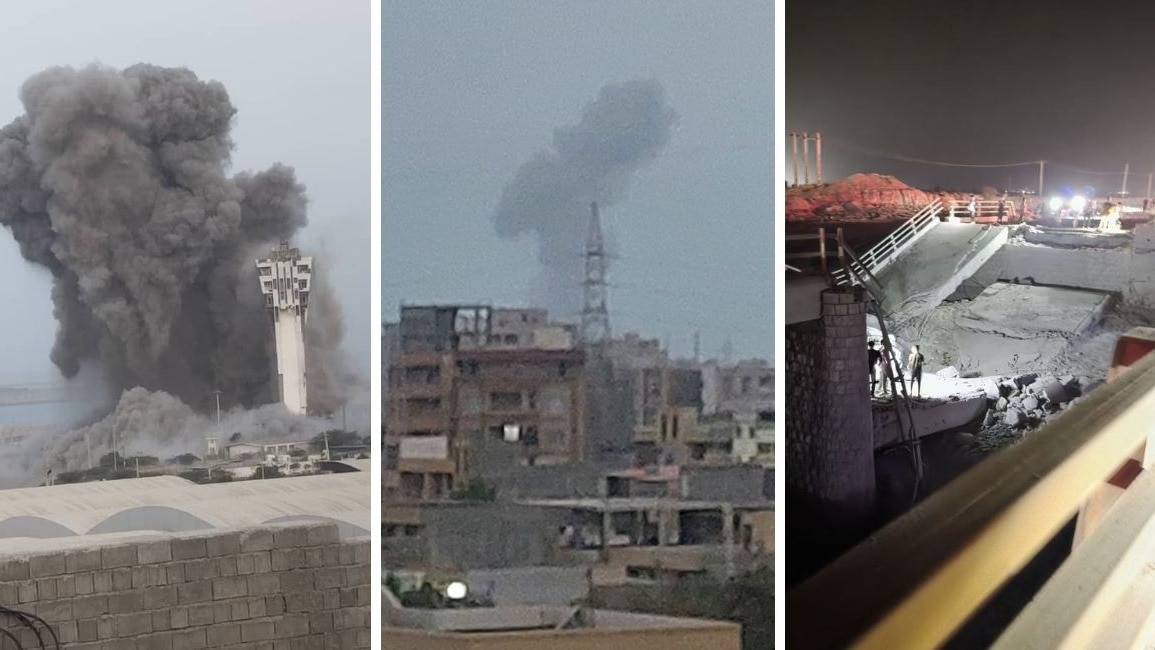
As the Strait of Hormuz crisis deepens, the United States has hit Iranian bridges while Tehran retaliated with fresh missile salvos against Gulf nations. The tit‑for‑tat exchange threatens global energy flows and regional stability.
मुख्य बिंदु (Key Takeaways)
- US conducts precise airstrikes on Iranian bridges in Hormozgan
- Iran launches missile attacks on Gulf states, including Qatar
- Oil and gas shipments through the Strait drop by roughly 25%
The United States expanded its aerial campaign on Friday, targeting several bridges in Iran's southern Hormozgan province. The strikes come after President Donald Trump warned of hitting critical infrastructure to force Tehran to ease its chokehold on the Strait of Hormuz, a vital artery for global oil shipments.
Iranian Counter‑offensive and New Threats to Gulf Nations
In swift retaliation, Iran fired missiles at Qatar, Bahrain and Kuwait, prompting emergency shelters and air‑defence alerts across the Gulf. Explosions echoed over Doha as the Qatari defense network scrambled to intercept the incoming projectiles, underscoring the rapid escalation of hostilities.
Historical Context of the Conflict
When the US and Israel launched a coordinated strike on February 28, 2024, Iran effectively sealed the Strait, spiking oil prices worldwide and gaining leverage in diplomatic negotiations. That temporary cease‑fire, brokered last month, has now collapsed, reigniting a cycle of attacks that threatens to destabilize the entire region.
Economic Impact and Global Energy Flow
According to Lloyd's List Intelligence, cargo volumes through the Strait fell by nearly a quarter at the start of the month, even before the latest wave of strikes. Shipping firms are either disabling AIS trackers or rerouting vessels, but alternative pipelines cannot compensate for the lost maritime capacity, raising concerns over supply‑chain disruptions.
Future Outlook and International Response
Qatar, acting as a mediator alongside Pakistan, has called for an urgent resumption of talks, yet Iran's military spokesperson Colonel Ebrahim Zolfaghari warned that any further US action on bridges or power plants would trigger a broader assault on regional infrastructure. The risk of a full‑scale escalation looms, making diplomatic engagement the only viable path to prevent a deeper energy crisis.