The United States carried out a fifth consecutive night of missile attacks on Iran's strategic port city of Bandar Abbas. Despite the heavy military pressure, the White House says diplomatic channels remain open and Iran is still willing to negotiate a deal.
मुख्य बिंदु (Key Takeaways)
- US conducted a fifth night of missile strikes on Bandar Abbas
- Significant explosions and damage reported in Tehran
- White House signals continued diplomatic dialogue
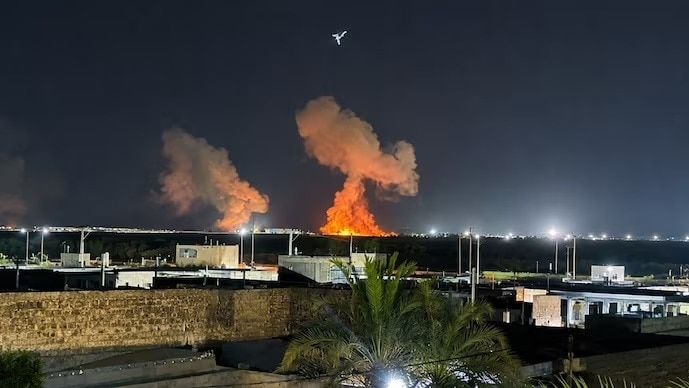
The United States launched a fifth consecutive night of air strikes on Thursday, targeting Iran's southern port city Bandar Abbas. According to the U.S. Central Command (CENTCOM), the campaign aims to further degrade Iran's military capabilities, focusing on radar installations, air‑defense systems, and other strategic infrastructure.
Background and Catalyst
U.S.–Iran relations have been fraught for decades, but covert talks have been ongoing since 2024. Tehran’s proxy networks have repeatedly launched rockets and drones against U.S. interests in the Middle East, prompting Washington to respond with calibrated force. This night’s operation involved roughly a dozen precision‑guided missiles striking near Bandar Abbas, a critical hub for Iran’s oil exports.
Impact and Potential Consequences
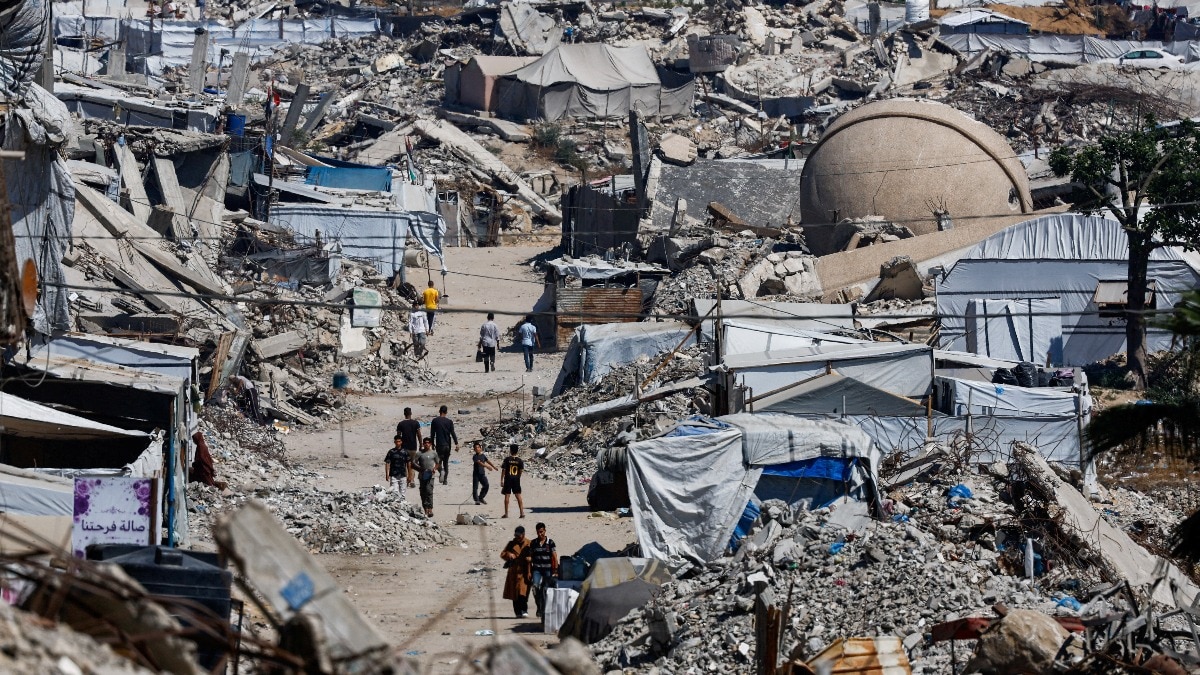
Iranian state television confirmed that missiles hit the vicinity of Bandar Abbas and surrounding areas, though official casualty figures and economic loss estimates have not yet been released. Analysts warn that sustained aerial pressure could force Iran back to the negotiation table, yet it also risks further destabilising the region, potentially spiking oil prices and disrupting maritime traffic through the Persian Gulf.
Diplomatic Signals
Hours after the strikes, White House press secretary Karine Leavitt told reporters that “Iran continues to engage with the United States and is expressing a desire to reach an agreement, given the devastating impact of our operations.” This admission surprised many global security experts, highlighting a dual‑track approach of military coercion paired with diplomatic outreach.
Looking Ahead
All eyes will be on the next round of clandestine talks between Washington and Tehran. If Iran remains open to a deal, the international community may need to play a mediating role to contain the conflict. Conversely, a breakdown in negotiations could see an escalation of air strikes, further threatening regional stability.