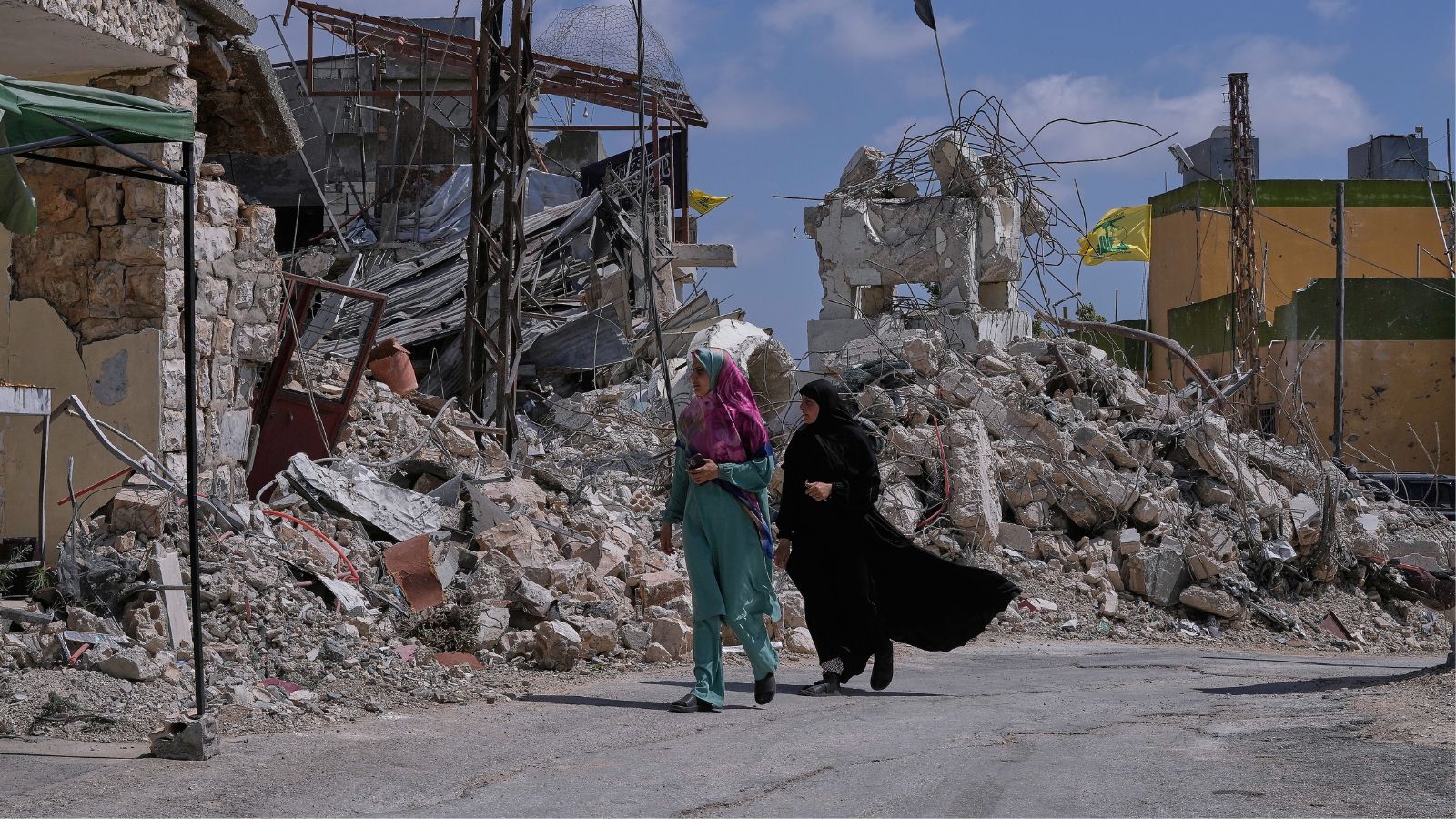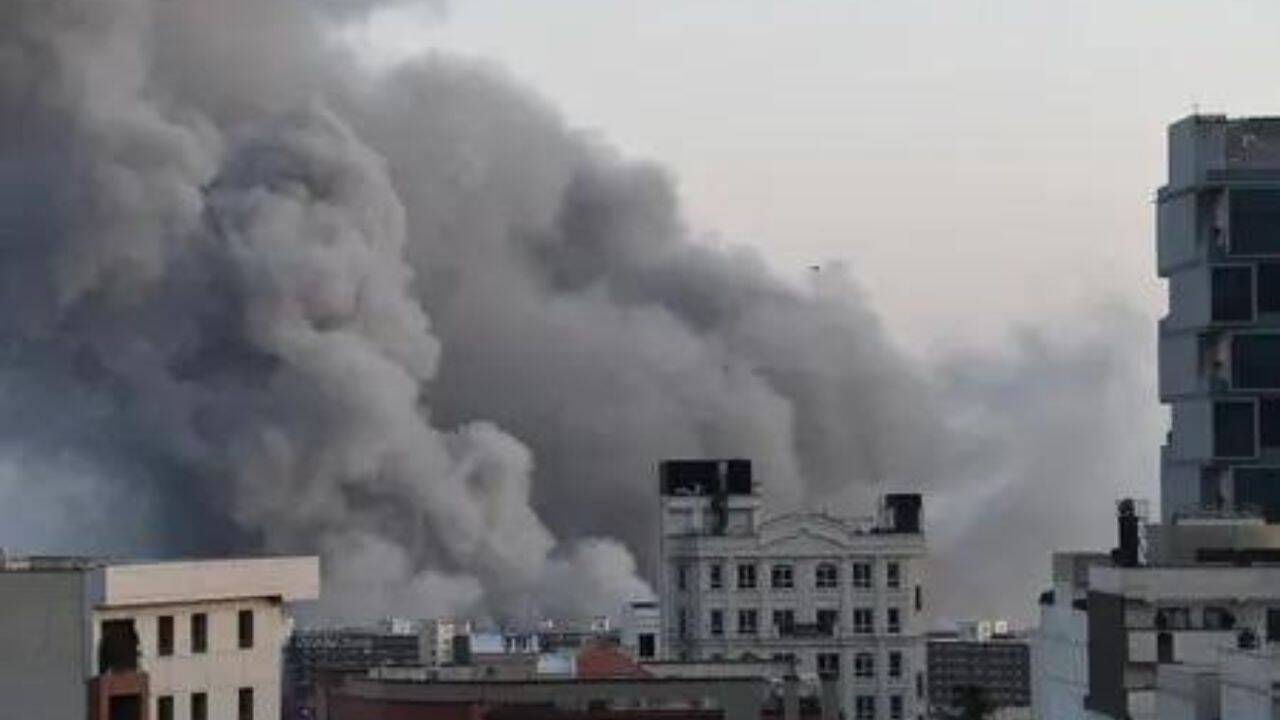
The United States carried out its fifth consecutive night of air strikes against Iran, focusing on military facilities in Bandar Abbas. Iranian state media reported American projectiles hitting the port city, intensifying tensions amid recent attacks on commercial shipping in the Strait of Hormuz.
Key Takeaways
- Fifth consecutive night of US strikes on Iran
- Bandar Abbas military installations targeted
- Escalation follows attacks on commercial vessels in the Strait of Hormuz
U.S. Central Command (CENTCOM) announced that a new wave of air strikes began at 2 p.m. ET (1800 GMT) on Thursday, aimed at further degrading Iran’s military capabilities. This operation marks the fifth straight night of American attacks on Iranian targets, underscoring a sustained campaign to increase pressure on Tehran.
Strategic Importance of Bandar Abbas
Located on the southern edge of the Strait of Hormuz, Bandar Abbas is Iran’s most vital naval hub, housing a fleet of warships, missile batteries, and radar installations. The city’s proximity to one of the world’s busiest oil transit routes makes it a linchpin for regional security. Iranian state television’s claim of “American projectiles” striking the port highlights Washington’s intent to cripple not just military assets but also the flow of maritime commerce.
Background: US‑Iran Tensions
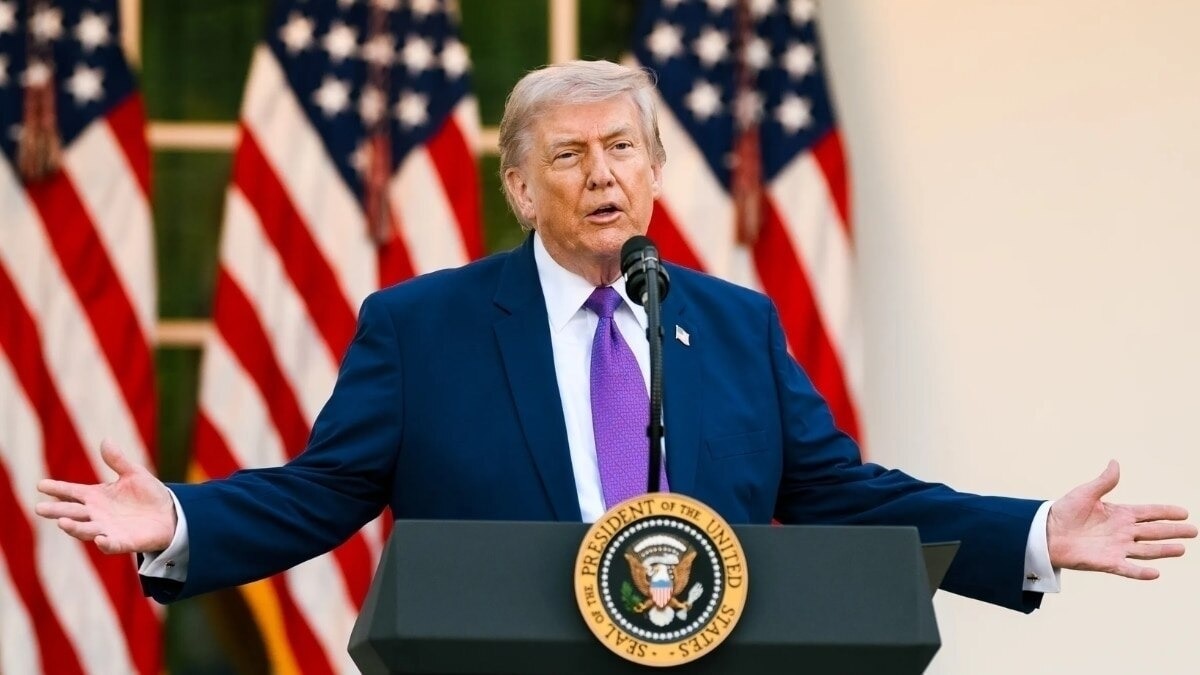
After a series of attacks on commercial vessels transiting the Strait, the Trump administration launched the “Operation Epic Fury” campaign, accusing Tehran of breaching a memorandum of understanding (MoU) that prohibited such aggression. The White House’s press secretary, Karoline Leavitt, reiterated that while Iran may express willingness to negotiate, the United States will continue to respond forcefully to any threats against shipping.
Potential Implications
Repeated strikes risk pushing oil prices higher, as market participants fear disruptions in the Hormuz corridor—the artery that moves roughly a fifth of global oil supplies. Should Iran retaliate with larger‑scale missile or drone attacks, global shipping firms may be forced to reroute, inflating freight costs and creating supply‑chain bottlenecks. Moreover, the absence of a diplomatic breakthrough means the risk of a broader regional conflict remains elevated.
Geopolitical Outlook
Domestic political dynamics in Washington are influencing the posture; congressional factions are urging a tougher stance on Tehran, while others advocate for renewed dialogue. Inside Iran, hard‑liners view the strikes as justification for a robust response, potentially escalating the conflict. In sum, the ongoing exchange of fire not only strains bilateral relations but also reverberates through global energy markets and Middle‑East stability.