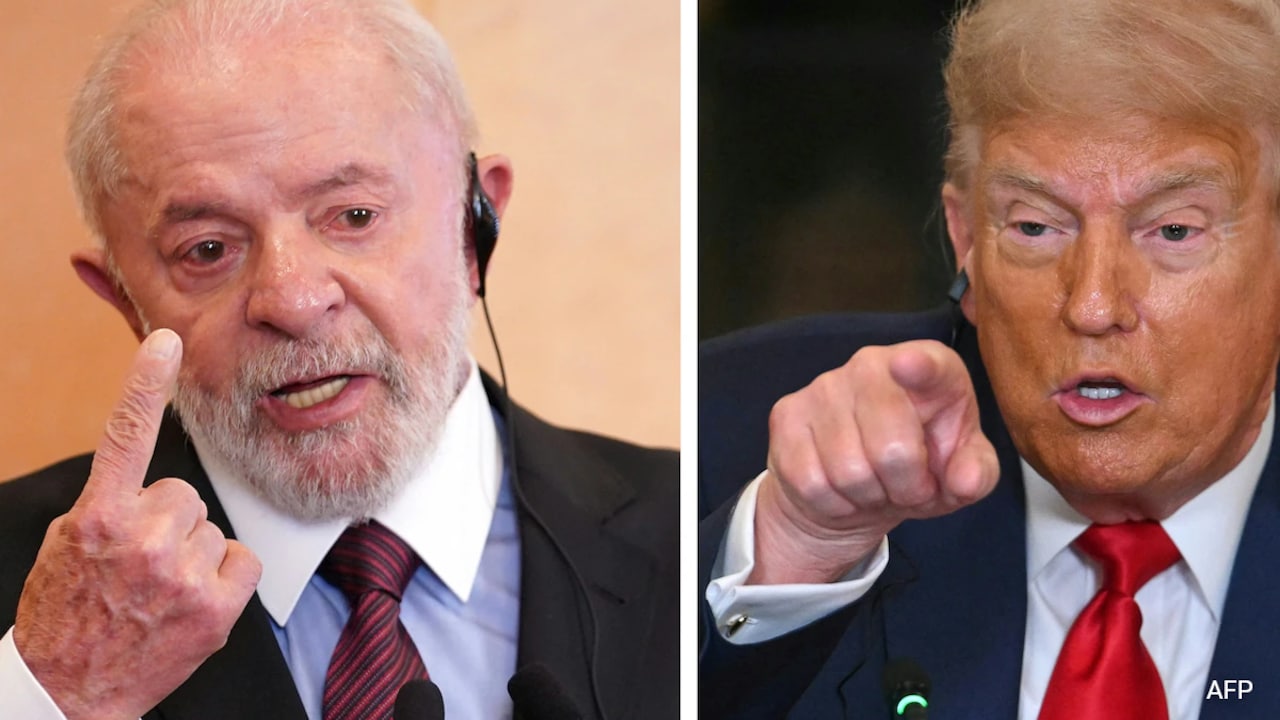
In a major escalation of trade tensions, the Trump administration has announced a 25% tariff on Brazilian imports, effective July 22, to combat unfair trade practices.
Key Takeaways
- The US has slapped a new 25% tariff on Brazilian goods.
- The tariff is scheduled to take effect on July 22.
- The move aims to rebuild the administration's economic agenda following Supreme Court setbacks.
- The decision cites 'unfair trade practices' as the primary justification.
WASHINGTON D.C. — In a decisive move to reshape global trade dynamics, the administration of President Donald Trump has announced a significant 25% tariff on imports from Brazil. Citing concerns over unfair trade practices, the United States is signaling a return to aggressive protectionist policies aimed at safeguarding domestic industries.
Contextualizing the Economic Shift
This latest maneuver is not an isolated incident but a strategic pivot. Earlier this year, in February, the US Supreme Court struck down a significant portion of the administration's previous global tariff framework. This judicial setback left a void in the administration's ability to execute its economic agenda. Consequently, the current move serves as a concerted effort to rebuild and fortify the President's economic platform through direct, targeted trade measures.
Implications for Global Markets
Scheduled to take effect on July 22, the 25% levy is expected to send shockwaves through the Brazilian economy. As a major exporter of commodities and agricultural products, Brazil faces a sudden increase in the cost of accessing the lucrative American market. This development could trigger retaliatory measures from Brasilia, potentially escalating into a broader trade conflict within the Western Hemisphere.
Expert Analysis and Strategic Outlook
Economists are divided on the long-term efficacy of this move. While supporters argue that such tariffs are necessary to level the playing field against nations perceived to be engaging in unfair competition, critics warn of the inflationary risks. Increased tariffs often lead to higher costs for American importers and consumers, potentially disrupting established supply chains and destabilizing international diplomatic relations.