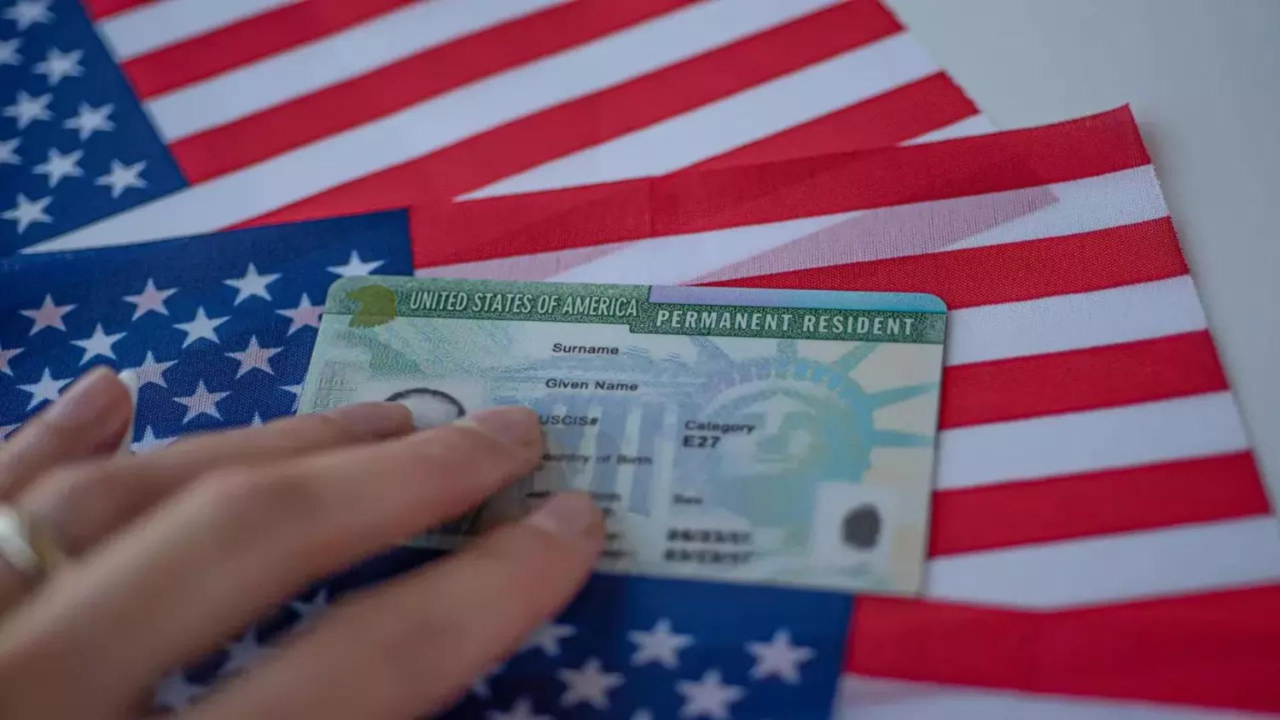
The Trump administration is considering a massive $100,000 bond for certain overseas Green Card applicants to ensure financial self-sufficiency.
Key Takeaways
- The US State Department is considering a bond of up to $100,000 for certain immigrant visa applicants applying from abroad.
- The bond amount may vary based on individual circumstances and could be posted by family members.
- Funds would likely only be returned after the applicant attains US citizenship, a process taking at least five years.
- The move is part of a broader 'America First' strategy to tighten legal immigration pathways.
In a move that could significantly alter the landscape of legal immigration to the United States, the Trump administration is weighing a proposal to require certain overseas Green Card applicants to post a substantial financial bond. According to reports from The Wall Street Journal, the US State Department is exploring a bond requirement of up to $100,000 for individuals seeking immigrant visas at US consulates outside the country.
Financial Self-Sufficiency or a Barrier?
The core objective behind this proposed measure is to ensure that new immigrants are financially self-sufficient upon arrival, thereby reducing the potential burden on US social systems. Under this plan, the bond would not be a simple fee; rather, it would be a deposit that remains held by the government. Sources suggest that applicants might only be eligible to reclaim these funds after successfully transitioning to US citizenship, a milestone that typically requires a minimum of five years of lawful permanent residency.
The Impact on the Indian Diaspora
For the Indian community, this development carries profound implications. Indians currently face one of the most significant backlogs in the US employment-based immigration system due to per-country caps. Many skilled professionals spend years, sometimes decades, navigating the complexities of visa renewals and Green Card processing. If the administration mandates that final-stage processing must be completed from their home country—as recent directives have suggested—the added requirement of a $100,000 bond could create an insurmountable financial barrier for many middle-class families.
A Broader Shift in Immigration Policy
This bond proposal is not an isolated incident but part of a systemic crackdown on legal immigration pathways. The administration has already moved toward increasing naturalization fees, with proposals to hike Form N-400 filing fees significantly. From higher scrutiny to increased costs, the overarching theme of the current administration is a more restrictive and selective immigration process, emphasizing the 'America First' doctrine. While the program may initially launch as a pilot in select countries, the potential for global expansion remains high.