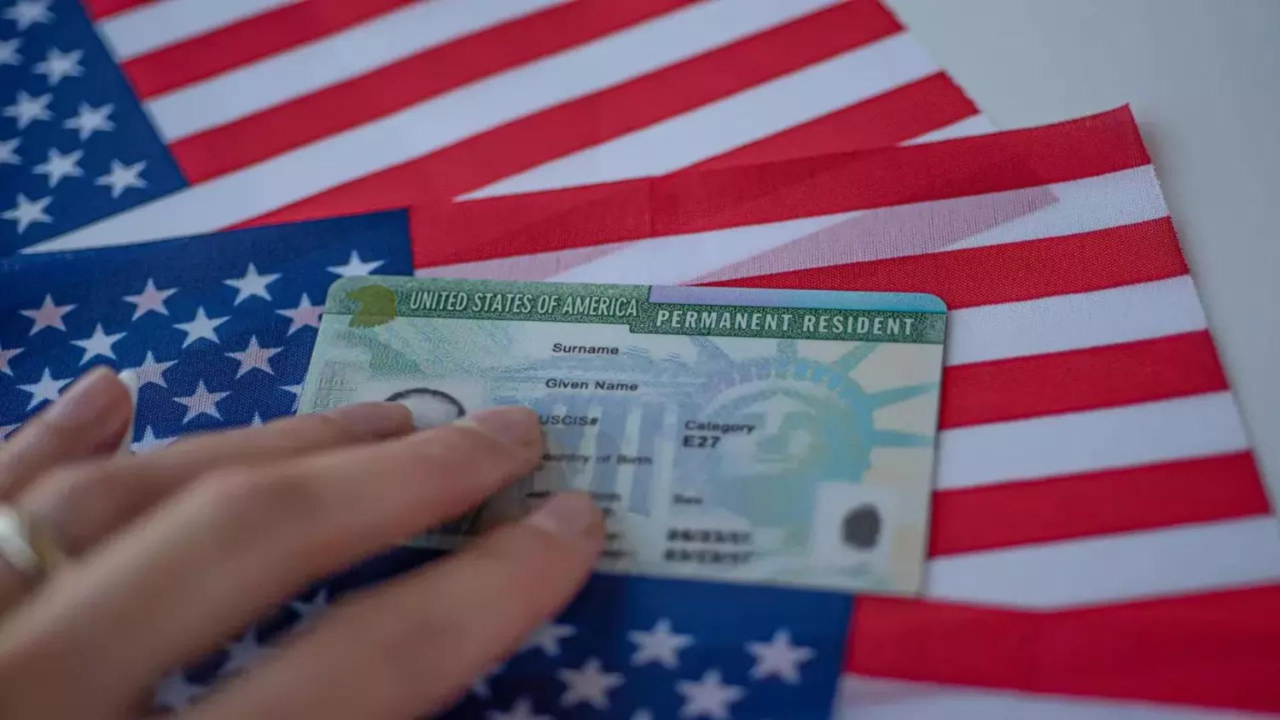
A US federal judge has blocked a controversial Trump administration policy that sought to restrict visas or deport foreign researchers and trust-and-safety experts. The court ruled that targeting professionals working on combating digital misinformation likely violates First Amendment free speech protections.
Key Takeaways
- A US federal court has blocked the Trump administration's visa restriction policy targeting foreign researchers and trust-and-safety experts.
- Chief District Judge James Boasberg ruled that the policy likely violates the free speech protections of the US Constitution's First Amendment.
- The decision provides significant relief to international experts, including CCDH CEO Imran Ahmed, who were previously targeted.
A US federal judge has blocked the Trump administration from enforcing an immigration policy that could deny visas or deport foreign researchers and trust-and-safety professionals working on misinformation, disinformation, and online hate speech. The ruling marks a significant victory for academic freedom and digital safety advocates who have faced increasing pressure over their work in content moderation.
The Constitutional Violation
Chief US District Judge James Boasberg ruled that the policy likely violates the free speech protections of the US Constitution's First Amendment. The decision directly impacts individuals linked to US-based organizations, including Center for Countering Digital Hate (CCDH) CEO Imran Ahmed and Clare Melford, co-founder of the Global Disinformation Index. Both had previously been targeted under the administration's stringent visa restrictions.
A Campaign Against Content Moderation
The lawsuit was originally filed by the Coalition for Independent Technology Research. The coalition argued that the US State Department had launched a broad campaign against researchers and advocates working on content moderation and combating online misinformation. The State Department's policy, announced in 2025, targeted foreign nationals deemed complicit in "censoring" Americans, a claim that the court found to be an overreach.
The Court's Rationale
Judge Boasberg agreed that the policy placed foreign nationals at risk simply because of their professional research. He noted that non-citizens could reasonably understand the policy to place their immigration status at risk, not because they wielded sovereign power, but simply because they worked in content moderation. The judge emphasized that treating research and advocacy supporting content moderation as grounds for visa denials or deportation is a likely violation of First Amendment protections.
Broader Implications for Tech and Academia
Carrie DeCell, a lawyer representing the coalition through the Knight First Amendment Institute at Columbia University, welcomed the ruling, stating that the policy punished researchers for work that the public desperately needs. This court decision highlights the growing tension between government attempts to regulate digital discourse and the constitutional protections afforded to independent researchers. By halting the policy during ongoing legal proceedings, the court has safeguarded international collaboration in tech safety.