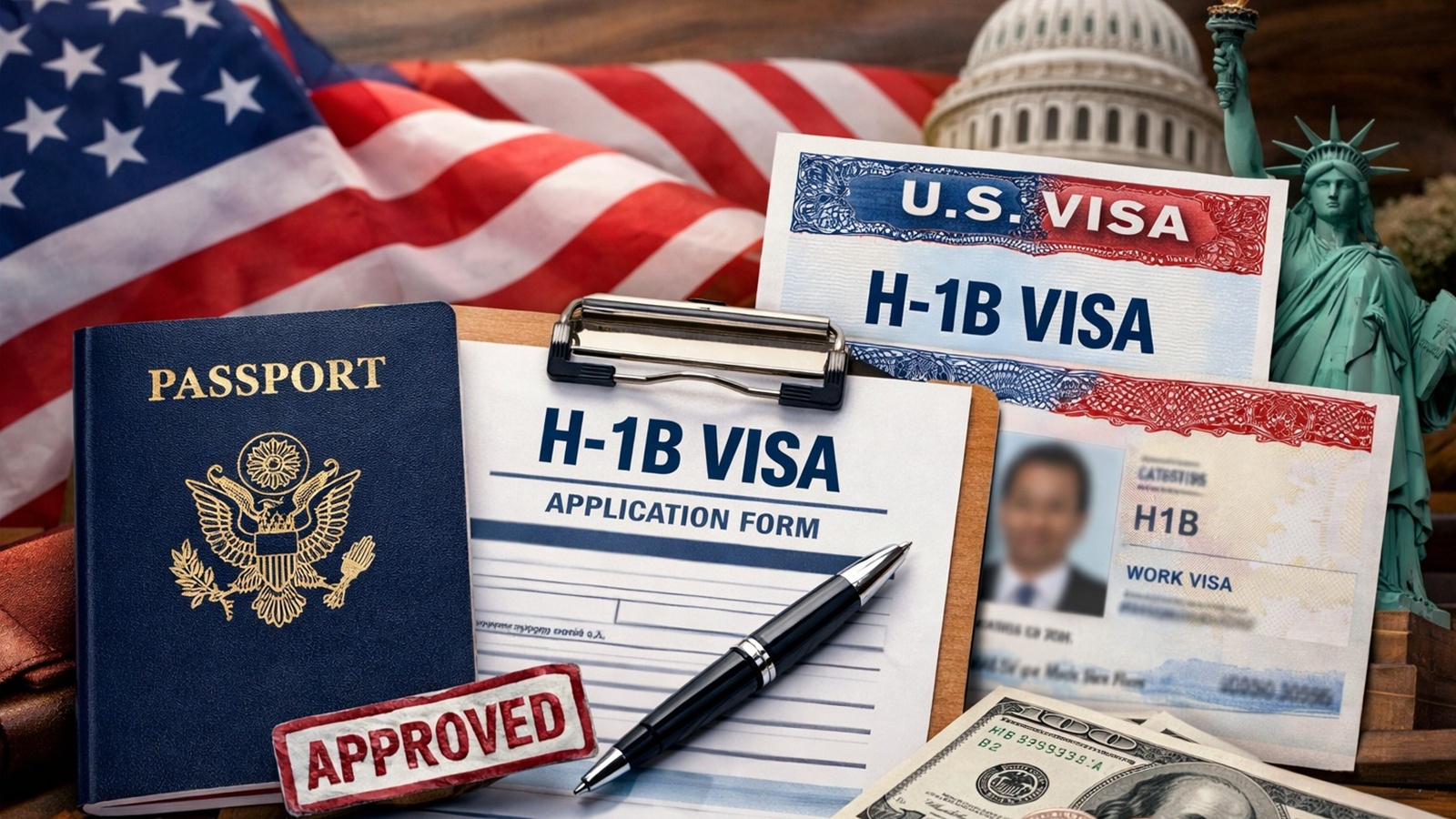
The United States has proposed new limits that cap foreign student visas at four years and restrict foreign journalists to a 240‑day stay. Expected to take effect as early as September, the move could reshape academic and media collaborations with the U.S.
Key Takeaways
- Foreign student visas limited to a maximum of four years
- Foreign journalists allowed only 240 days (about eight months)
- Proposed rule could be implemented as early as September
The United States has announced a sweeping amendment to its visa regime that will sharply curtail the length of stay for foreign students and journalists. If the regulation is finalized by September, it will mark a decisive shift in American immigration policy, potentially redefining the nation’s role as a hub for international education and press freedom.
Background and Existing Rules
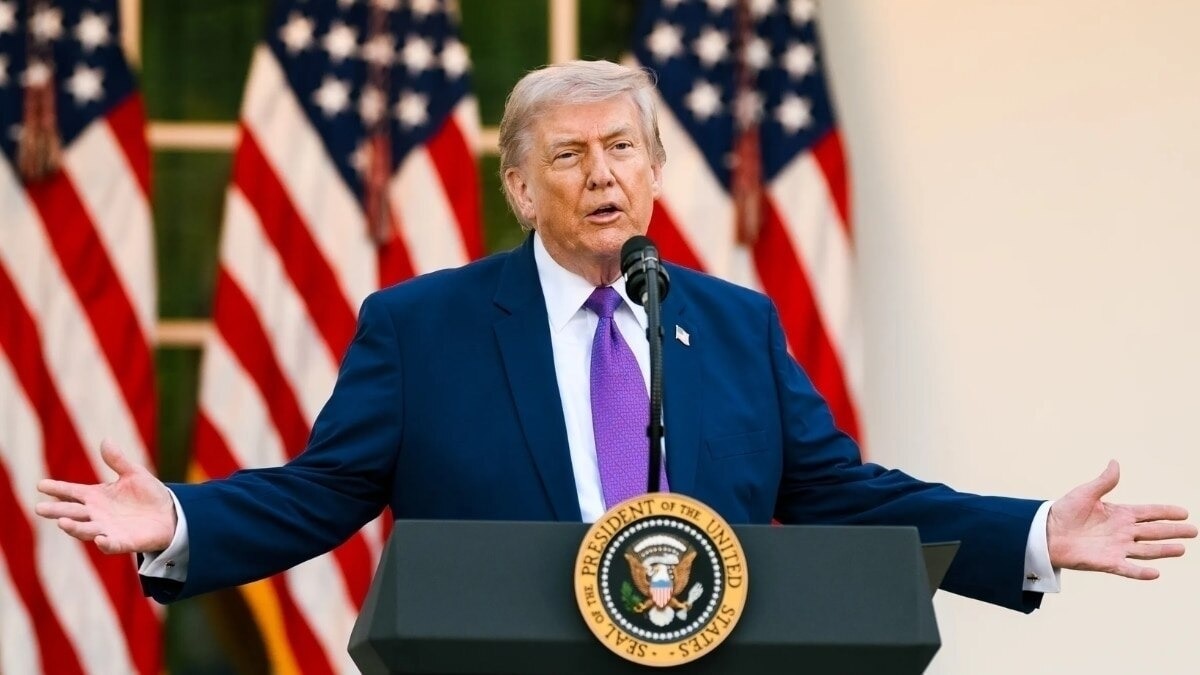
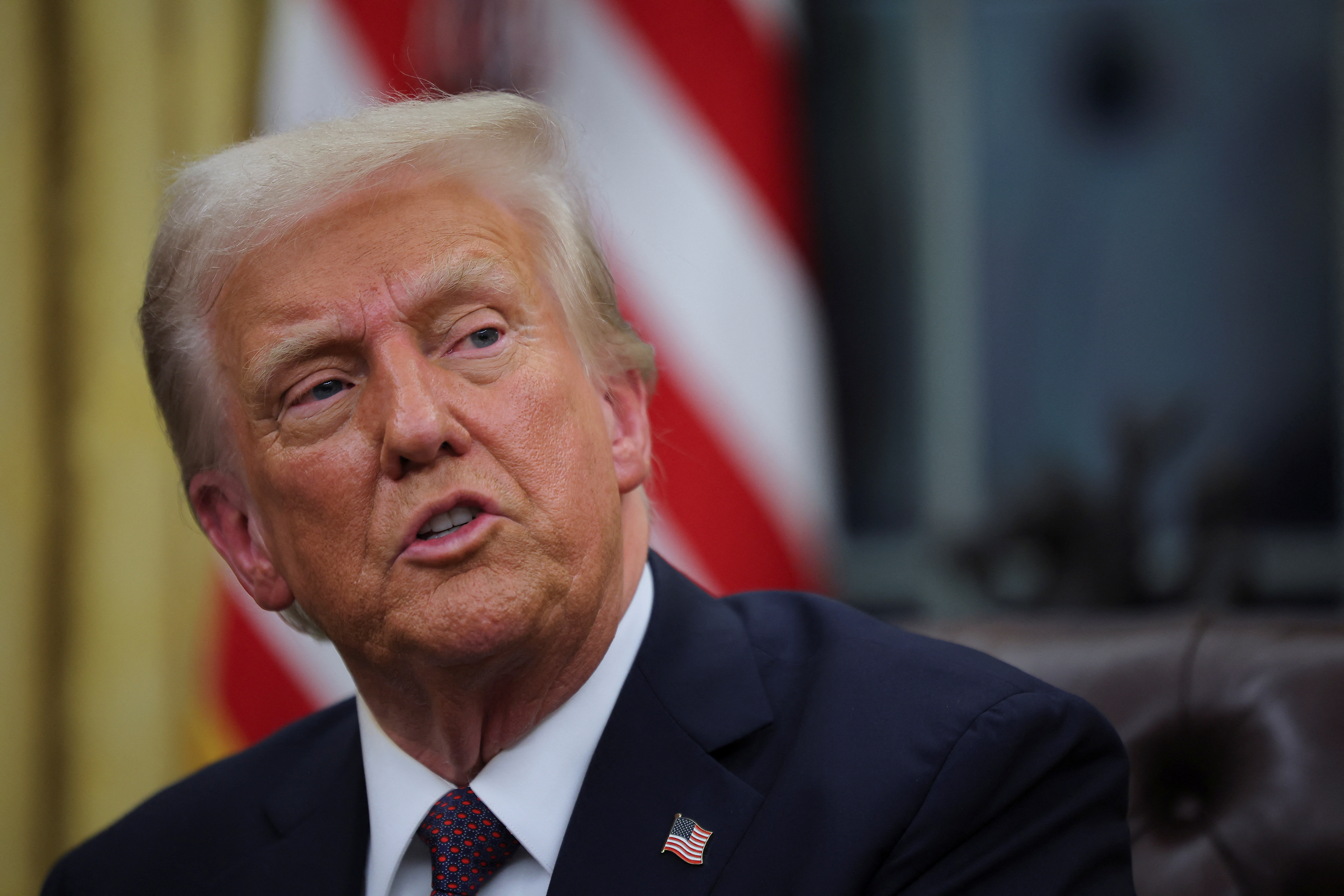
Historically, foreign students on F‑1 visas have been permitted to remain for the full duration of their academic program, often extending beyond five years for graduate and research degrees. Similarly, foreign journalists on I visas have enjoyed up to 365 days of stay, providing ample time for in‑depth reporting and newsroom integration. The proposed truncation reflects a broader trend toward tighter immigration controls under the Trump administration.
Key Provisions of the New Proposal
Under the new framework, student visas will be granted for the length of the educational program but capped at four years, regardless of the actual course length. Journalists will face a hard limit of 240 days (approximately eight months), a reduction of roughly 30% from the existing 365‑day allowance. Both categories will be required to depart the United States once the stipulated period expires, unless they secure a different visa status.
Potential Implications
Universities could confront a cascade of administrative hurdles. Research‑intensive programs, especially Ph.D. tracks that routinely span five to seven years, will need to navigate complex visa extensions or alternative immigration pathways. For the press, the shortened stay may compress news coverage timelines, particularly for investigative pieces that demand prolonged on‑the‑ground presence. Media outlets might also need to reassess staffing models and consider remote reporting strategies to stay compliant.
Political and Societal Perspective
The move aligns with the Trump administration’s broader agenda of tightening borders and limiting foreign presence. Critics argue that it undermines the United States’ reputation as a destination for world‑class education and a bastion of free press. International advocacy groups have warned that the constraints could diminish the flow of knowledge and diminish the diversity of perspectives in American newsrooms.