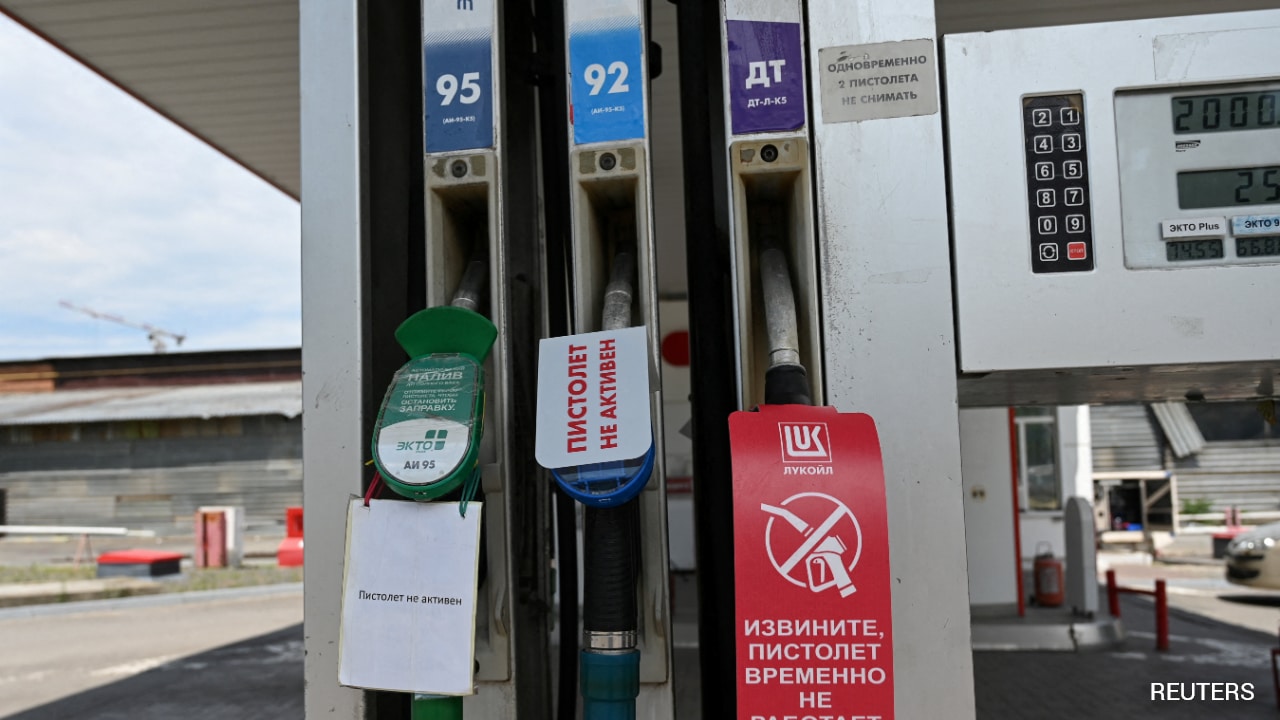
Facing a severe gasoline crisis due to Ukrainian drone strikes on its energy infrastructure, Russia is looking to pivot its trade relationship with India to secure essential fuel.
Key Takeaways
- Ukrainian drone strikes have significantly crippled Russia's domestic refining capacity.
- Russia is currently grappling with its most acute gasoline shortage in recent history.
- A dramatic reversal in energy dynamics: India, the top buyer of Russian crude, may now become a supplier of refined products.
In a startling reversal of long-standing energy dynamics, Russia is reportedly seeking to import refined fuel from India. This move comes as Moscow faces a deepening gasoline crisis, triggered by a series of precision drone strikes launched by Ukraine against critical Russian oil refining infrastructure. The conflict, once fought primarily on land, has now moved decisively into the heart of Russia's economic engine: its energy sector.
The Impact of Targeted Strikes
The strategic targeting of refineries by Ukrainian forces has moved beyond mere tactical warfare; it is an economic siege. By disabling key distillation units and storage facilities, these strikes have significantly hampered Russia's ability to process its vast crude oil reserves into usable gasoline and diesel. This supply-side shock has left the Kremlin struggling to stabilize domestic fuel prices and ensure consistent availability for its internal market.
A Historic Shift in Trade Relations
The geopolitical implications of this request are profound. For the past two years, India has emerged as the single largest buyer of Russian seaborne crude oil, providing a vital lifeline to the Russian economy amidst Western sanctions. However, the current crisis is forcing an unusual pivot. The very nation that has been the primary consumer of Russian crude is now being approached to provide the refined end-products, marking a significant shift in the bilateral energy trade architecture.
Strategic Implications for India and the World
This development places India in a complex strategic position. While India's massive refining capacity has allowed it to capitalize on discounted Russian crude, the demand for refined exports could influence India's domestic fuel pricing and supply security. Furthermore, as Russia seeks to mitigate the impact of the war on its economy, the global energy market must prepare for a period of volatility where the traditional roles of exporter and importer are being rapidly redefined.