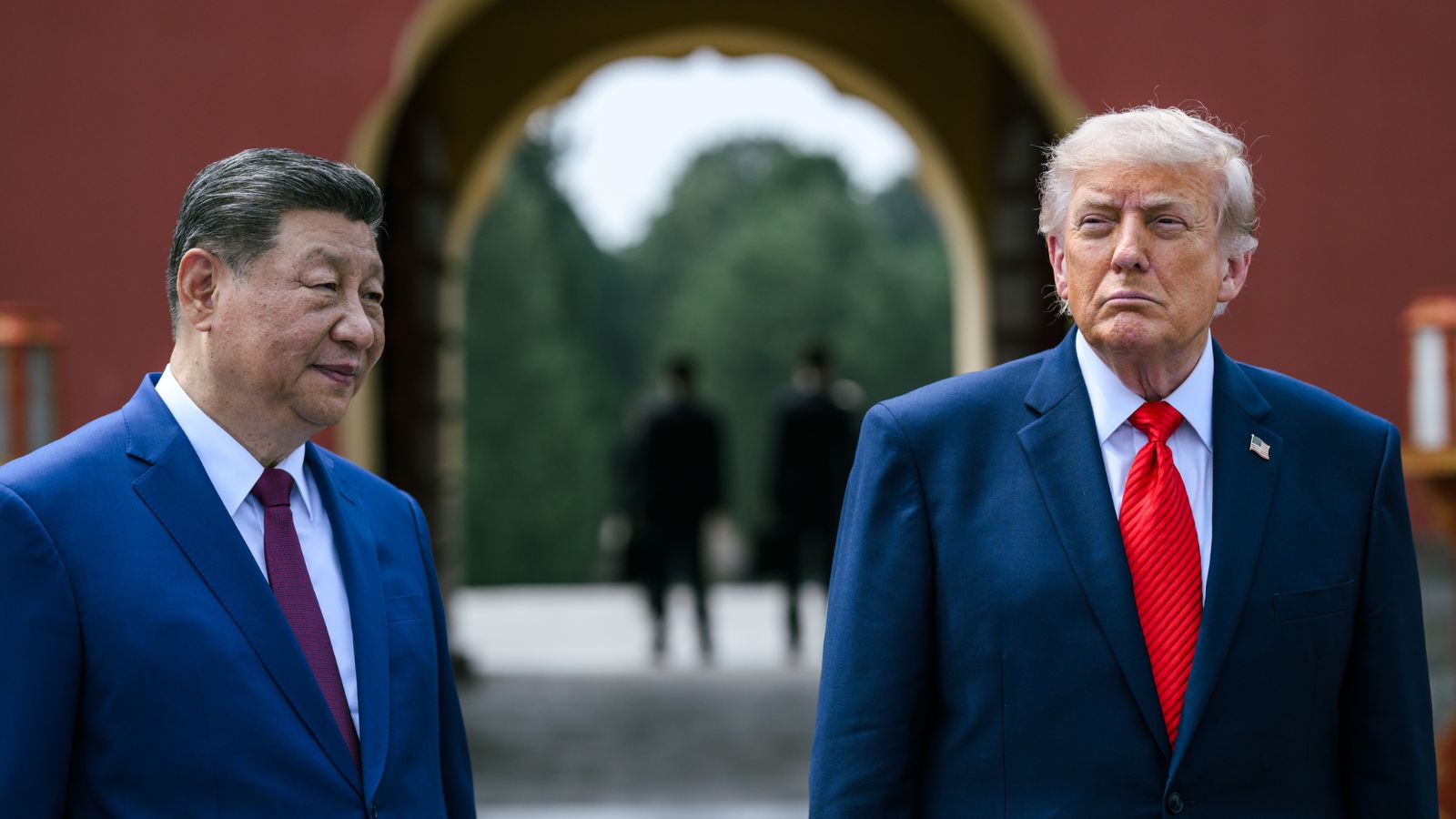
A new Pew Research Center poll across 36 nations finds China now enjoys a more positive image than the United States, marking a historic shift after two decades of US dominance. The change reflects evolving geopolitical dynamics and national policy narratives.
Key Takeaways
- China receives a higher favorability rating than the US in 36-country Pew survey
- First time in 20 years that China tops the US globally
- Shift linked to geopolitical conflicts and differing national narratives
The Pew Research Center surveyed over 42,000 respondents in 36 countries between February and May 2026, revealing that China now enjoys a more favorable perception than the United States. This marks the first reversal in two decades of tracking global public opinion, where the US consistently led.
Methodology and Survey Scope
The poll asked participants about their overall view of each nation, confidence in its leaders, and perceived respect for personal freedoms. A median of 51% of respondents gave China a favorable rating, while 39% expressed an unfavorable view. In 25 of the surveyed nations, China outperformed the US, whereas only six nations still favored the United States.
Geopolitical Catalysts
The timing coincided with heightened US‑Israel‑Iran tensions, the Trump administration’s “America First” rhetoric, and lingering pandemic‑related economic strain. Conversely, President Xi Jinping’s China pursued visible infrastructure projects, vaccine diplomacy, and lower‑profile interference in domestic affairs, which resonated positively in many regions.
Countries Leaning Toward China
Indonesia, Italy, Greece, Spain, and Canada are among the nations that now view China more favorably. These countries often cite China’s investment in development projects and its less intrusive foreign policy as key factors.
Countries Still Favoring the US
Only the Philippines, Poland, South Korea, India, Japan and Israel maintain a stronger preference for the United States, reflecting historical alliances, security partnerships, and concerns over China’s rising influence.
Implications and Future Outlook
Experts warn that shifting public sentiment can translate into tangible changes in diplomatic leverage, trade negotiations, and multilateral institutions. If China sustains this momentum, it could reshape global governance structures, while the US may need to recalibrate its foreign‑policy messaging to restore confidence.
Laura Silver, associate director of Pew’s Global Attitudes Research, noted, “The war in the Middle East and waning confidence in President Trump have clearly accelerated this perception shift.” The findings underscore how quickly public opinion can pivot in response to real‑time events.