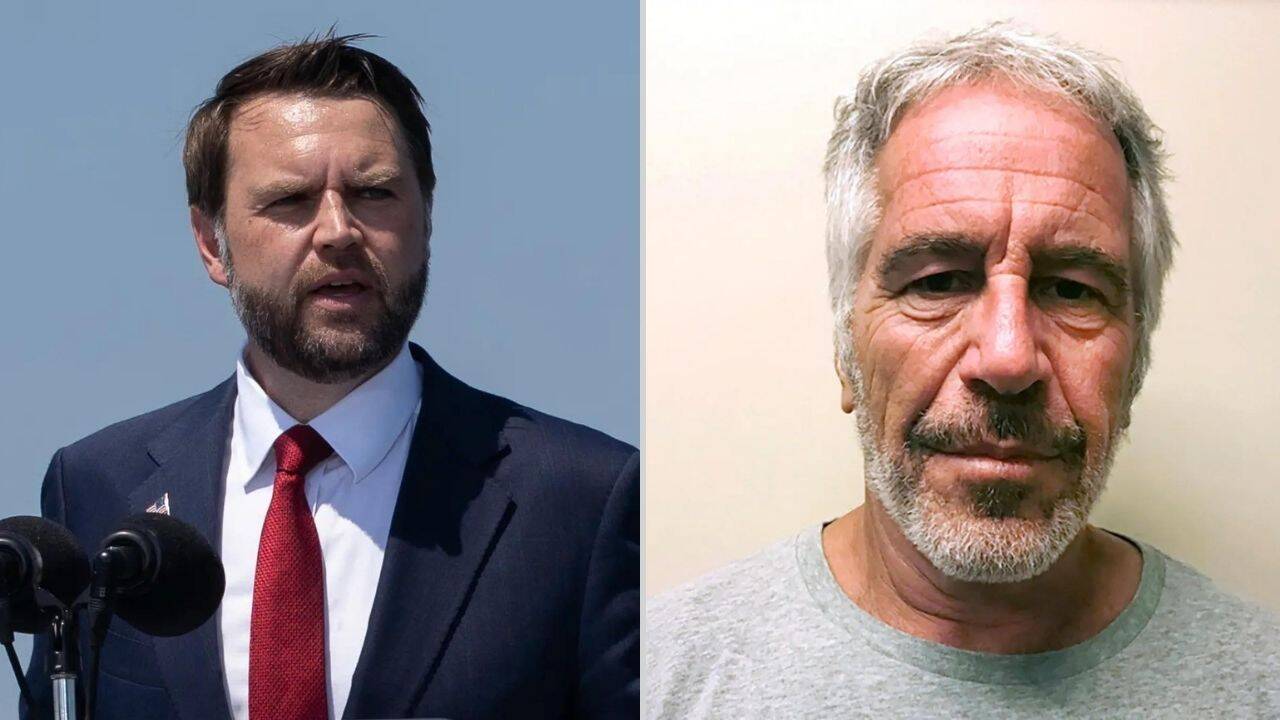
US Vice President JD Vance has sparked intense speculation by suggesting Jeffrey Epstein had links to Mossad and the CIA. He also admitted the Trump administration mishandled the rollout of the Epstein files.
Key Takeaways
- VP JD Vance admitted the Trump administration 'absolutely screwed up' the communication regarding Epstein files.
- Vance suggested Epstein had high-level connections to Mossad, the CIA, or other 'deep state' entities.
- He blamed the public confusion on overstated remarks by former Attorney General Pam Bondi.
- Vance defended Donald Trump against allegations of attempting to suppress the documents.
In a bombshell interview on The Joe Rogan Experience, US Vice President JD Vance has sent shockwaves through the political landscape. Addressing the long-standing mystery surrounding sex offender Jeffrey Epstein, Vance not only admitted to significant communication failures by the Trump administration but also floated theories regarding intelligence agency involvement.
Intelligence Agency Allegations
During a provocative segment of the podcast, when host Joe Rogan queried the potential involvement of Israel's intelligence agency, Mossad, Vance responded emphatically. "Yeah, Mossad or CIA or some other deep state," Vance remarked. While he did not provide empirical evidence to substantiate these claims, he asserted that Epstein clearly maintained connections to the highest echelons of both American and Israeli intelligence services. This admission adds a heavy layer of geopolitical complexity to a case that has already been shrouded in conspiracy theories since Epstein's death in 2019.
The Communication Breakdown
Vance was candid about the administrative failures during the release of the Epstein files. He admitted that the administration "absolutely screwed up the comms," suggesting that instead of a slow, confusing rollout, the documents should have been released in their entirety immediately. He pointed the finger at former Attorney General Pam Bondi, suggesting her public statements regarding the existence of a 'client list' were overstated, which ultimately fueled public mistrust in the transparency of the process.
Defending the Trump Legacy
Crucially, Vance moved to shield Donald Trump from accusations of a cover-up. He argued that if the former President had intended to suppress the Epstein files, he possessed the political and legal leverage to prevent Congress from forcing the Justice Department's hand. Vance characterized the situation not as a malicious attempt to hide the truth, but as a massive failure in managing the narrative and public expectations. As the discourse around Epstein continues to evolve, Vance's comments ensure that the intersection of intelligence agencies and high-profile criminal investigations remains at the forefront of US political debate.