The escalating war between the US and Iran has reached a critical juncture as retaliatory missile strikes hit US bases in Bahrain, Kuwait, and Jordan. The conflict is causing massive disruptions in global shipping and energy markets.
Key Takeaways
- US military launched massive air strikes on strategic Iranian sites including Chabahar, Bandar Abbas, and Qeshm Island.
- Iran retaliated via 'Operation Lightning,' targeting US military installations in Kuwait and Bahrain.
- Jordan intercepted eight Iranian missiles, while Iran claimed to have downed a US MQ-9 drone.
- Global crude oil prices spiked as maritime traffic in the Strait of Hormuz faced severe disruption.
The geopolitical landscape of the Middle East is rapidly destabilizing as the direct confrontation between the United States and Iran intensifies. Following a series of heavy US airstrikes on Iranian strategic assets, Iran has launched a massive retaliatory campaign, targeting US-aligned military infrastructure in neighboring Gulf nations, signaling a full-scale regional escalation.
US Strikes on Iranian Strategic Assets
The US military's recent offensive targeted key maritime and military hubs, including Chabahar, Bandar Abbas, and Qeshm Island. The primary objective, according to US officials, was to neutralize Iran's ability to threaten vessel movement through the vital Strait of Hormuz. The strikes extended into northern Iran, affecting areas near Semnan Airport. The humanitarian toll is rising, with reports indicating at least 35 fatalities and over 300 injuries following the US bombardments.
Iran's 'Operation Lightning' Retaliation
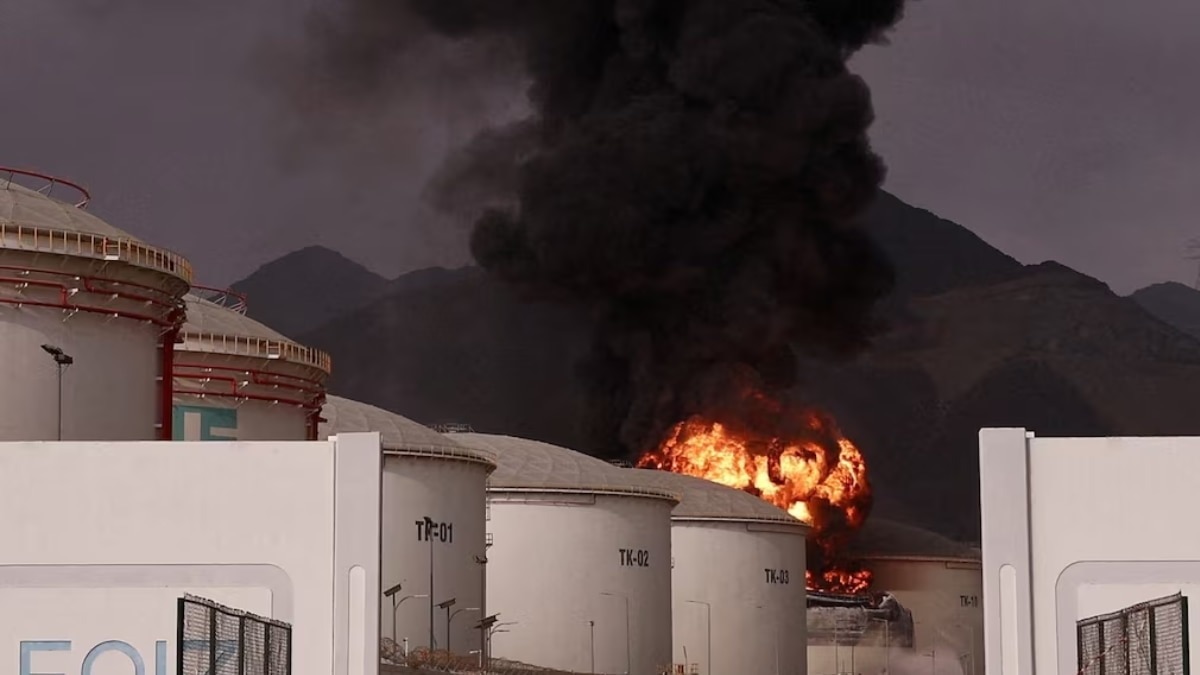
In a swift response, the Islamic Revolutionary Guard Corps (IRGC) initiated what it calls 'Operation Lightning.' Iran claims to have successfully targeted US radar systems, Patriot air defense components, and fuel depots at the Ali Al Salem Airbase in Kuwait and the Sheikh Isa Airbase in Bahrain. While the Jordanian Air Force successfully intercepted eight incoming Iranian missiles, Iran has claimed the successful downing of a US MQ-9 drone over the city of Andimeshk.
Global Economic Implications and Energy Crisis
The conflict is no longer contained within military borders; it is bleeding into the global economy. The Strait of Hormuz, a critical artery for global oil supplies, is seeing a near-total halt in non-Iranian shipping. According to Lloyd's List, many vessels are now engaging in 'dark transit' to avoid detection and risk. This maritime instability has sent Brent Crude prices soaring to $85.28 per barrel, sparking fears of a global energy crisis and widespread inflation.