The proposed sale of the Bharat Hindu Samaj temple in Peterborough to an Islamic organization has ignited a fierce debate over Hindu community rights in the UK. An IAS officer’s involvement is turning the local dispute into a matter of national and international significance.
मुख्य बिंदु (Key Takeaways)
- The sale of the Peterborough temple raises concerns about representation of the local Hindu community.
- An IAS officer has elevated the dispute to the national stage, drawing international attention.
- Balancing vote‑bank politics with religious pluralism presents a complex challenge.
Peterborough, United Kingdom – The Bharat Hindu Samaj (BHS) temple, a fixture of the local Indian diaspora since the 1970s, is at the heart of a legal battle after the city council voted to sell the property to an Islamic organization. The decision has sparked outrage among British Hindus who argue that the move was made without proper consultation and threatens the cultural heritage of the community.
Legal Background and Court Proceedings
In 2022, the council announced its intention to transfer ownership of the temple complex, citing financial pressures and a desire to repurpose the site. Hindu leaders swiftly challenged the decision, filing a claim that the sale violated planning regulations and ignored the community’s historic ties to the property. The case now sits before the High Court, which must decide whether the council acted within its authority or breached the rights of a minority religious group.
The IAS Officer’s Intervention
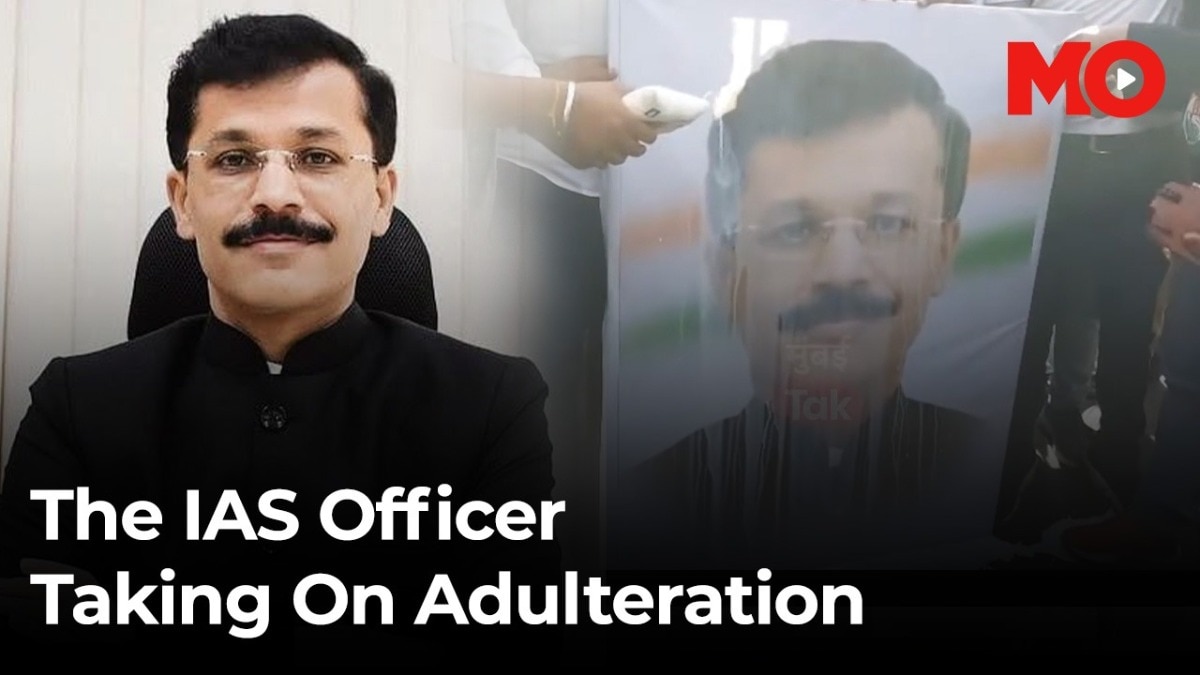
Adding a diplomatic dimension to the dispute is an Indian Administrative Service (IAS) officer stationed at the Indian High Commission in London. The officer has publicly supported the Hindu community’s stance, urging both the UK and Indian governments to engage in dialogue. By leveraging diplomatic channels, the IAS officer aims to ensure that the temple’s fate is not decided solely by local politics but reflects broader concerns about religious freedom and minority rights.
Vote‑Bank Politics and Societal Impact
Political analysts note that the controversy underscores the growing influence of vote‑bank politics among diaspora communities. Indian‑origin voters in the UK have become a coveted demographic, prompting parties to adopt stances on religious issues to secure electoral support. Consequently, the temple sale is being framed not just as a property dispute but as a test of how political calculations intersect with communal harmony.
Potential Outcomes and International Ramifications
If the court rules against the sale, it could set a precedent for protecting religious sites across the UK, reinforcing legal safeguards for minority faiths. Conversely, a ruling in favor of the council could signal a shift toward economic considerations outweighing cultural preservation, potentially straining India‑UK diplomatic ties. Either outcome will reverberate through policy discussions on religious pluralism, heritage conservation, and diaspora politics.