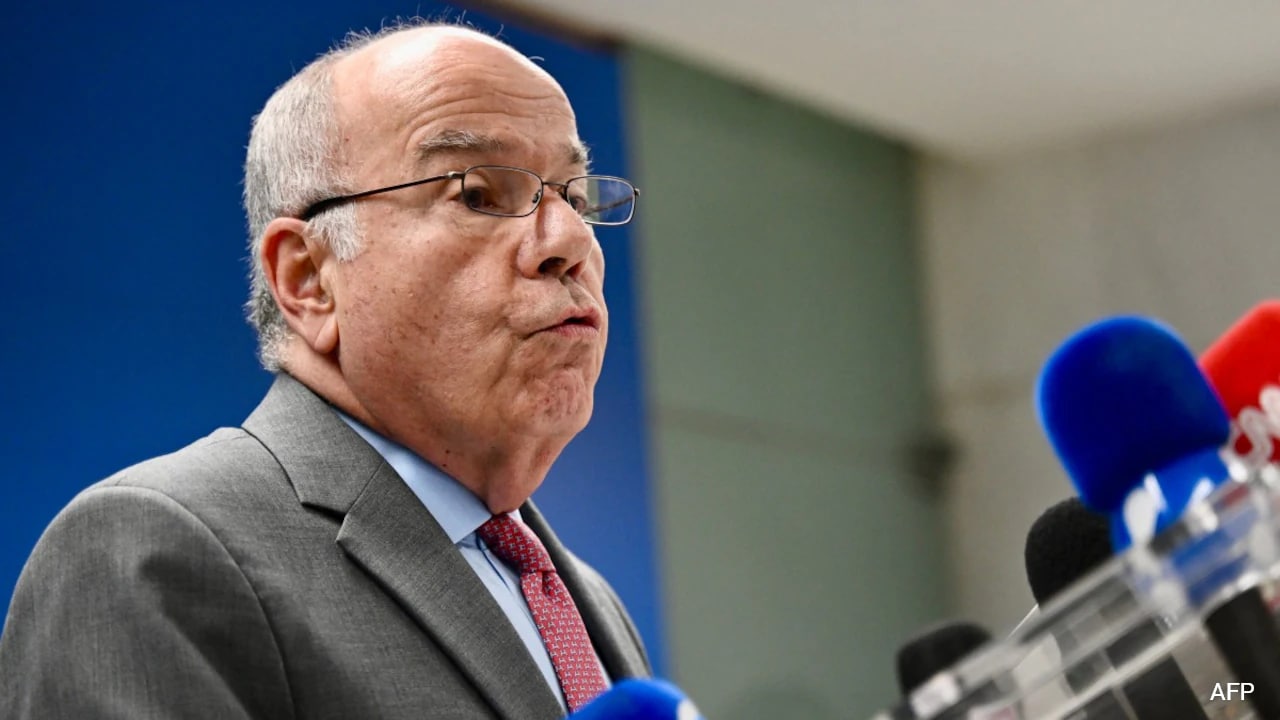
Brazilian Foreign Minister Mauro Vieira labeled US Senator Marco Rubio’s comments on President Lula’s tariff decision as "unacceptable and offensive." The dispute could heighten diplomatic strain between the two nations.
Key Takeaways
- Marco Rubio’s remarks were called crude and arrogant by Brazil.
- The controversy stems from a new tariff policy that may affect Brazil‑US trade.
- Potential escalation could strain diplomatic and economic ties.
Brazil’s Foreign Minister Mauro Vieira on Thursday condemned US Senator Marco Rubio for describing President Luis Inacio Lula da Silva in a "crude and arrogant" manner while commenting on Brazil’s latest tariff decision. Vieira called the remarks "unacceptable and offensive," underscoring a growing diplomatic rift.
Background and the Tariff Decision
Lula’s administration recently announced a series of higher duties on imported metals, aluminum, and select agricultural products. The move, framed as a protective measure for domestic industry, was swiftly criticized by US trade officials as protectionist. Rubio’s public remarks labeled the policy as detrimental to the economy, prompting an immediate rebuttal from Brazil’s foreign ministry.
Straining Brazil‑US Relations
While Brazil and the United States have historically maintained cooperative trade relations, recent years have seen friction points—from disputes over aviation standards in 2022 to now tariff disagreements. Vieira warned that Rubio’s language not only attacks Lula personally but also undermines mutual respect between the nations.
Future Implications
Analysts caution that such public confrontations could complicate future economic collaboration. If the tariff regime proceeds, American exporters may face added costs, potentially skewing the trade balance. Diplomatically, both capitals will need to navigate a more sensitive dialogue to restore confidence.
Analytical Perspective
Vieira’s sharp response signals Brazil’s readiness to defend its sovereign policy choices against foreign criticism. The episode illustrates a broader shift where national economic strategies are increasingly scrutinized on the global stage, demanding a delicate balance between domestic priorities and international perceptions.