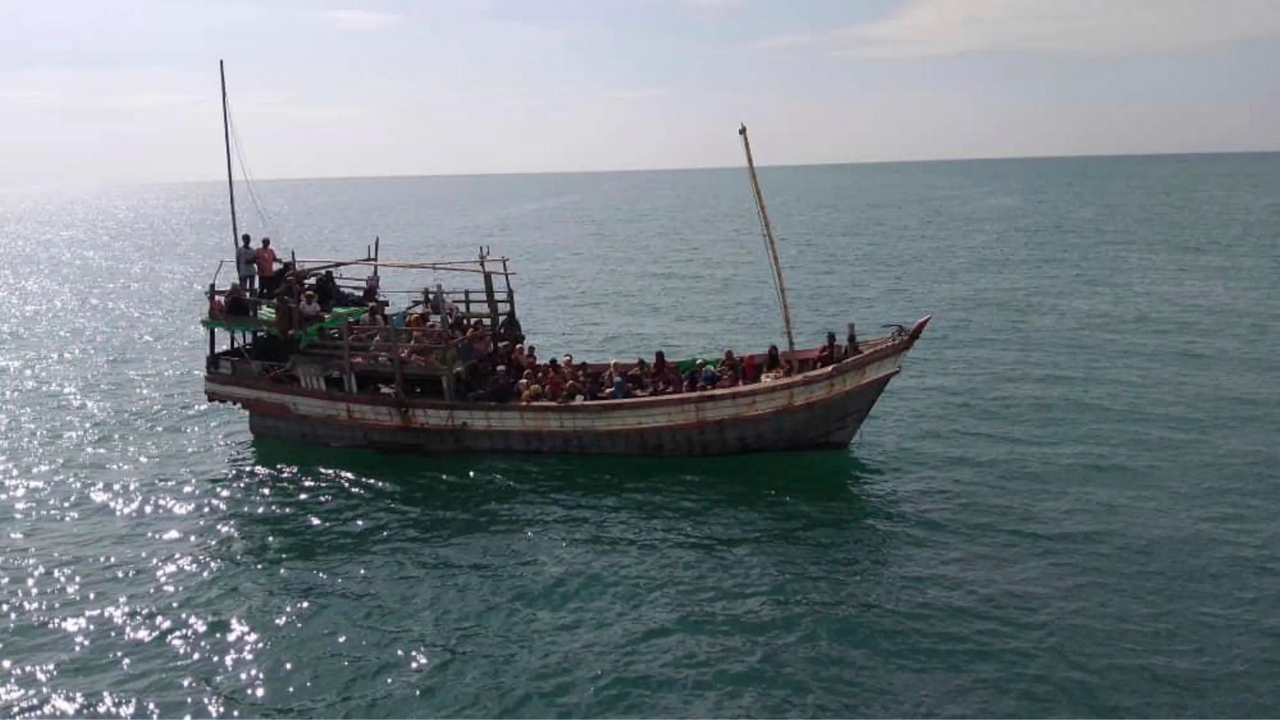
A massive maritime disaster in the Bay of Bengal has left at least 500 Rohingya refugees feared dead after two boats capsized. The incidents highlight the extreme perils faced by stateless populations during the monsoon season.
Key Takeaways
- At least 500 Rohingya refugees are feared dead following the capsizing of two boats in the Bay of Bengal.
- The vessels departed from Myanmar's Rakhine State and refugee camps in Bangladesh.
- Monsoon weather and torrential rains significantly increased the risk of the maritime journey.
- UNHCR and IOM are calling for urgent international intervention and long-term solutions.
In what is being described as one of the deadliest maritime disasters in recent memory, at least 500 Rohingya refugees are feared dead after two boats capsized in the Bay of Bengal. The United Nations High Commissioner for Refugees (UNHCR) and the International Organization for Migration (IOM) have expressed grave concern over the potentially devastating loss of life.
Details of the Maritime Disaster
According to official statements, the tragedy involved two separate vessels. The first boat, believed to be carrying approximately 250 passengers, lost contact shortly after its departure from Myanmar's Rakhine State in late June. The second boat, carrying an estimated 280 individuals, is believed to have sunk off the Ayeyarwady coast on July 8. Most of the passengers were attempting to flee the escalating violence and systemic oppression in Myanmar.
The timing of these crossings is particularly perilous. The region is currently experiencing intense monsoon conditions, characterized by torrential rains and heavy seas. For the Rohingya, who are fleeing statelessness and violence, these dangerous sea routes often present the only—albeit lethal—alternative to life in overcrowded refugee camps in Bangladesh.
The Root of the Crisis: Statelessness and Conflict
The Rohingya crisis is deeply rooted in the military crackdown in Myanmar, which the United States and other international bodies have characterized as genocide. Currently, approximately 1.2 million Rohingya live in precarious conditions in Bangladesh. The situation has been further exacerbated by recent fighting between the Myanmar military and ethnic armed groups in Rakhine State, leaving refugees with no safe path for repatriation.
Furthermore, a significant decline in international foreign aid has led to severe food shortages in the camps. Human rights organizations have criticized regional maritime authorities for failing to respond to distress calls, often leaving refugee boats to face the elements alone. The UNHCR warned that this route has become one of the world's deadliest maritime corridors, with 2025 seeing a record number of fatalities among those attempting to flee by sea.