Switzerland is strategically leveraging its extensive network of tunnels beneath the Alps to mitigate the escalating risks of climate change. This infrastructure shift not only significantly reduces carbon emissions but also manages the dangers posed by melting glaciers and unstable mountain terrain.
Key Takeaways
- Switzerland is shifting freight transport from roads to rails using Alpine tunnels, drastically cutting carbon emissions.
- The Gotthard Base Tunnel serves as a pivotal eco-friendly transit corridor across Europe.
- Advanced drainage tunnels help manage meltwater, reducing the risk of catastrophic flooding in valleys.
For Switzerland, the majestic Alps are not merely a scenic backdrop but a frontline in the battle against climate change. Rising global temperatures have led to rapidly melting glaciers and thawing permafrost, posing severe threats to the nation's stability. In response, Swiss engineers and policymakers are repurposing the vast network of tunnels beneath these mountains. These subterranean passages are evolving from simple transit routes into critical infrastructure designed to shield the country from environmental calamities.
A Green Transport Revolution
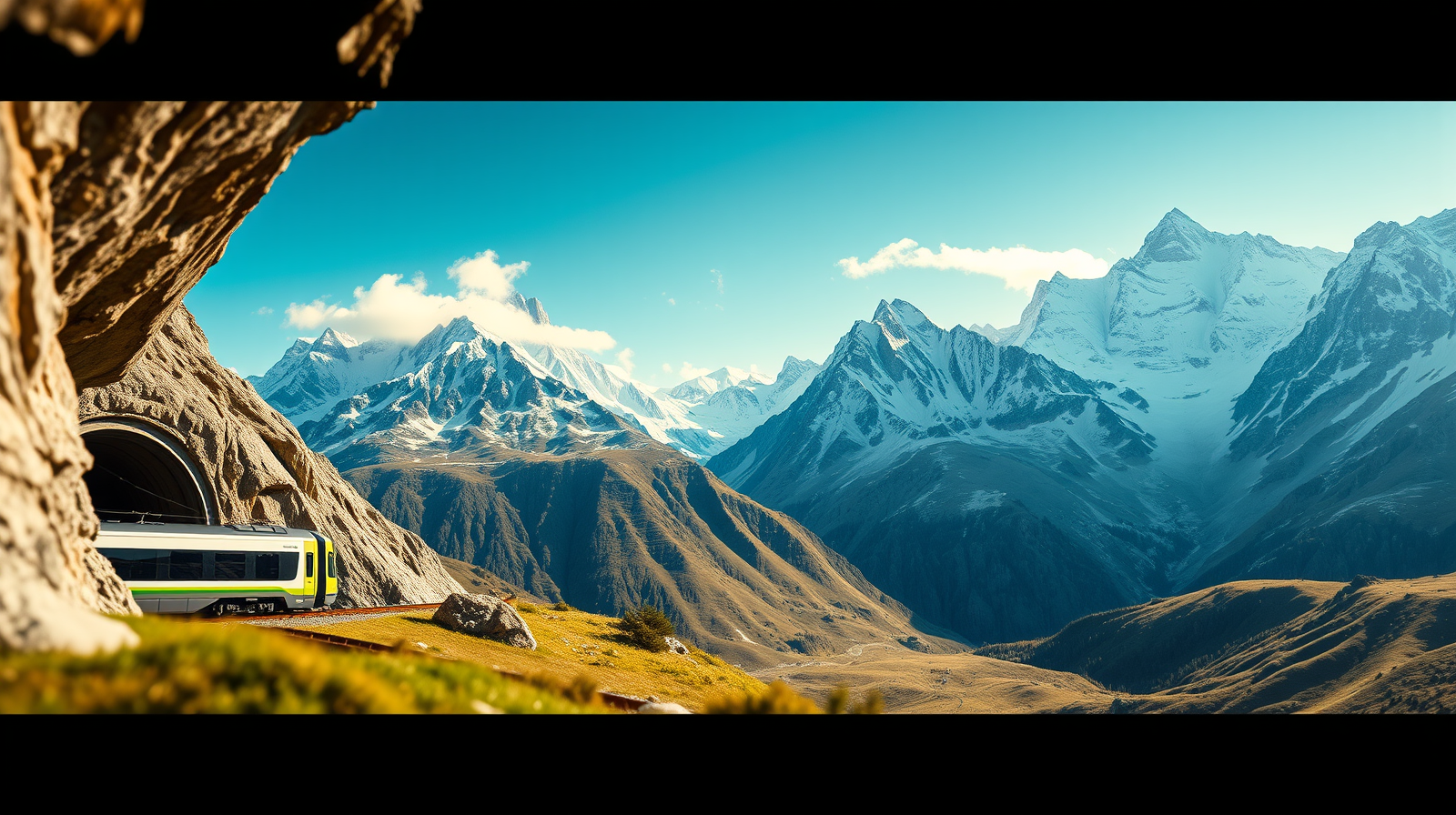
Central to this strategy is the aggressive modal shift from road to rail. The Gotthard Base Tunnel, the world's longest and deepest tunnel, stands as the crown jewel of this initiative. By diverting heavy commercial trucks from congested Alpine roads onto efficient rail networks, Switzerland has significantly lowered its carbon footprint. Rail transport is inherently more energy-efficient than road travel, making this shift a cornerstone of the nation's climate goals. This transformation creates a cleaner transit corridor not just for Switzerland, but for the entire European continent, facilitating trade without the heavy environmental cost.
Protection Against Flooding and Landslides
Beyond transport, these tunnels play a vital role in water management and geological stability. As glaciers retreat, they form unstable glacial lakes that can burst, causing devastating floods downstream. To counter this, Swiss authorities are constructing complex drainage tunnels and diversion systems within the mountains. These structures safely channel excess meltwater away from vulnerable valleys. Furthermore, engineers are using tunneling techniques to reinforce unstable mountain slopes, preventing rockfalls and landslides that have become increasingly frequent due to thawing permafrost. This proactive engineering approach secures habitats and communities living in the shadow of the Alps.
A Blueprint for the Future
Switzerland’s innovative use of its tunnel infrastructure offers a blueprint for other mountainous nations facing similar climate crises. It demonstrates that infrastructure development does not have to be at odds with nature; instead, it can work in harmony with it. By combining geological engineering with environmental science, Switzerland is not only protecting its current population but also paving the way for a sustainable future. This model of resilience and adaptation highlights the importance of long-term planning in an era of global uncertainty.