New climate data sheds light on the ancient Polynesian migrations, suggesting environmental shifts sparked the sudden eastward push. The findings connect centuries‑old seafaring feats with modern scientific analysis.
Key Takeaways
- Polynesian expansion surged 1,700 years after initial settlement
- Recent climate evidence links to navigation changes
- Disney's Moana revives interest in ancient oceanic voyages
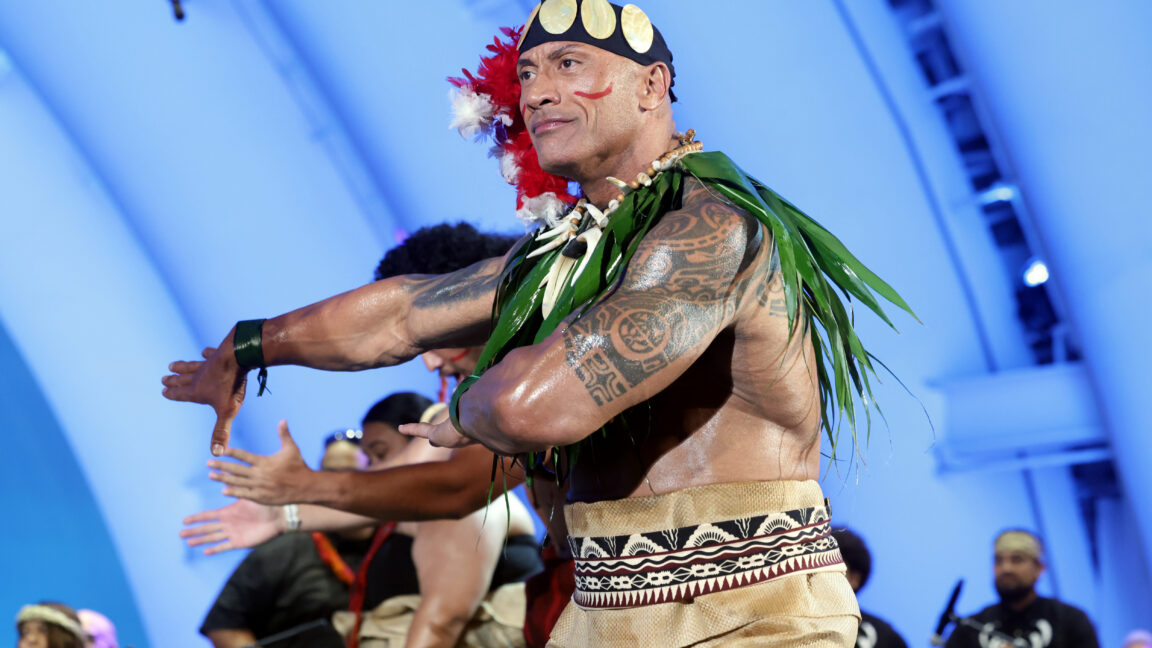
Disney’s latest live‑action rendition of Moana has reignited global curiosity about Polynesian maritime history. While the narrative is fictional, it mirrors the very question that archaeologists have pursued for decades: after centuries of relative stability, why did Polynesian voyagers abruptly begin settling islands thousands of kilometres away across the Pacific?
Historical Context of Polynesian Navigation
Polynesian peoples began exploring the vast Pacific archipelagos around 3,000 BCE, hopping from one volcanic island to the next. Yet for roughly a millennium, their expansion slowed, creating a long period of cultural consolidation. Around 1,200 CE, a dramatic surge occurred—settlements sprouted on remote islands such as Hawaii, Easter Island, and eventually New Zealand—marking one of humanity’s most remarkable seafaring expansions.
New Climate Evidence and Its Significance
Recent paleo‑oceanographic studies, including deep‑sea sediment cores and coral isotope analysis, reveal that between 1,500 and 1,800 CE the Pacific experienced a prolonged El Niño‑like event. This anomaly altered wind patterns, strengthening easterly trade winds and reshaping ocean currents. Consequently, voyages that previously relied on southwest routes became more feasible eastward, while modest sea‑level rises rendered many low‑lying islands more habitable.
Archaeological Corroboration
Radiocarbon dating of settlement layers on islands like Samoa and the Marquesas aligns precisely with the identified climatic window. Artifacts such as double‑hafted adzes and marine shell tools indicate sophisticated navigational knowledge—star paths, bird‑flight cues, and wave‑riding techniques—already in use. The climate shift likely provided the confidence and logistical advantage needed to attempt longer, riskier eastward voyages.
Cultural Impact and Future Directions
Popular portrayals like Moana serve as cultural bridges, bringing scholarly insights to a broad audience and inspiring a new generation of researchers. By integrating climate models with archaeological records, scientists aim to reconstruct additional migration routes and better understand how environmental forces have repeatedly reshaped human movement across oceans.