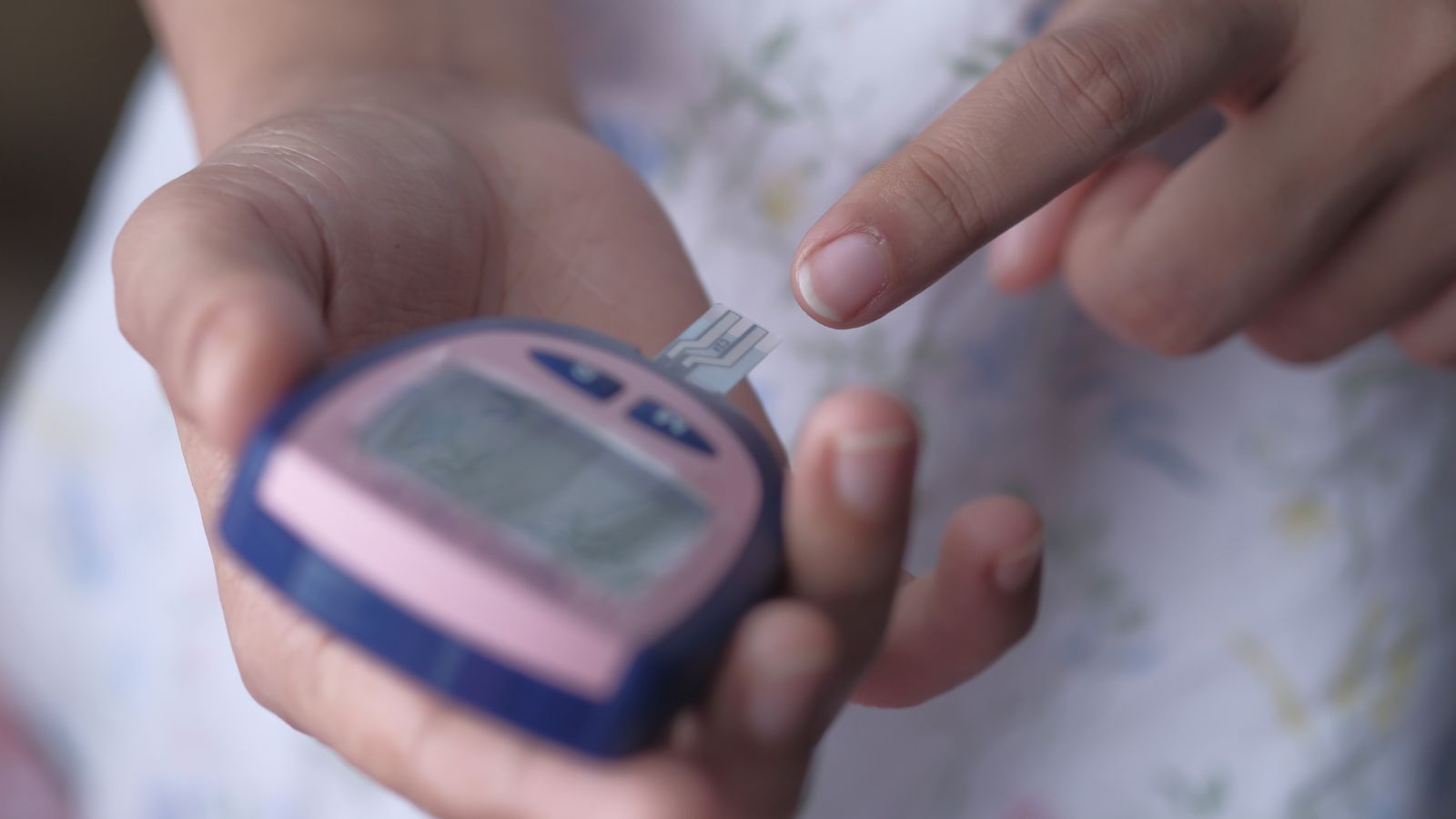
Body weight and diet alone do not guarantee stable glucose levels. Genetics, muscle mass, sleep quality, stress and gut microbiome all shape how blood sugar reacts to the same meal, creating vastly different responses among individuals.
Key Takeaways
- Body weight is a poor proxy for metabolic health.
- Genetics, muscle mass, sleep, and stress heavily influence blood glucose.
- Meal order, gut microbiome diversity, and regular exercise dictate glucose stability.
When two people sit down to the same plate, their blood‑sugar curves can look completely different. The divergence is not driven solely by calories or carbs, but by a web of physiological and lifestyle factors that determine how the body processes that food.
Biological Drivers Behind the Variation
Kanikka Malhotra, a certified dietitian and diabetes educator, explains, “Body weight is a poor proxy for metabolic health. A person can be thin on the outside yet metabolically obese inside—a condition known as TOFI (Thin Outside, Fat Inside), where visceral fat quietly accumulates around the liver and pancreas even when BMI looks perfect.” This hidden fat impairs insulin sensitivity, causing identical meals to produce markedly higher glucose spikes in some individuals.
Genetic differences further complicate the picture. Variations in first‑phase insulin secretion, beta‑cell reserve, and insulin‑receptor sensitivity mean that some lean individuals release insulin a little later after a meal, allowing glucose to rise before control kicks in.
The Role of Muscle Mass
Muscle, not weight, is the primary glucose sink. A heavier, muscular person can shuttle glucose into muscle glycogen efficiently, blunting the spike entirely. Consequently, two people with the same body weight but differing muscle mass can display dramatically different glucose curves.
Lifestyle Factors That Matter
Beyond the plate, the state of the body receiving the plate matters. One night of poor sleep can reduce insulin sensitivity by up to 30 % the next day, turning a routine breakfast into a higher‑spike event. Unmanaged stress raises cortisol, prompting the liver to release stored glucose even without food, so a stressful morning meeting can spike blood sugar as much as a sugary snack.
The gut microbiome’s diversity influences how quickly carbohydrates are broken down and absorbed. A fiber‑rich, probiotic‑laden diet slows glucose entry into the bloodstream. Meal sequencing also matters; consuming vegetables and protein before rice or roti can flatten the post‑meal curve.
When to Worry About Spikes
Occasional post‑meal rises are normal. Concern arises when high spikes occur repeatedly, take a long time to return to baseline, or are accompanied by a gradual rise in fasting glucose over weeks. In such cases clinicians may order HbA1c, fasting insulin, or an oral glucose tolerance test. Consistent exercise, prioritising protein and fiber, adequate sleep, and strength training are proven strategies to improve glucose regulation.