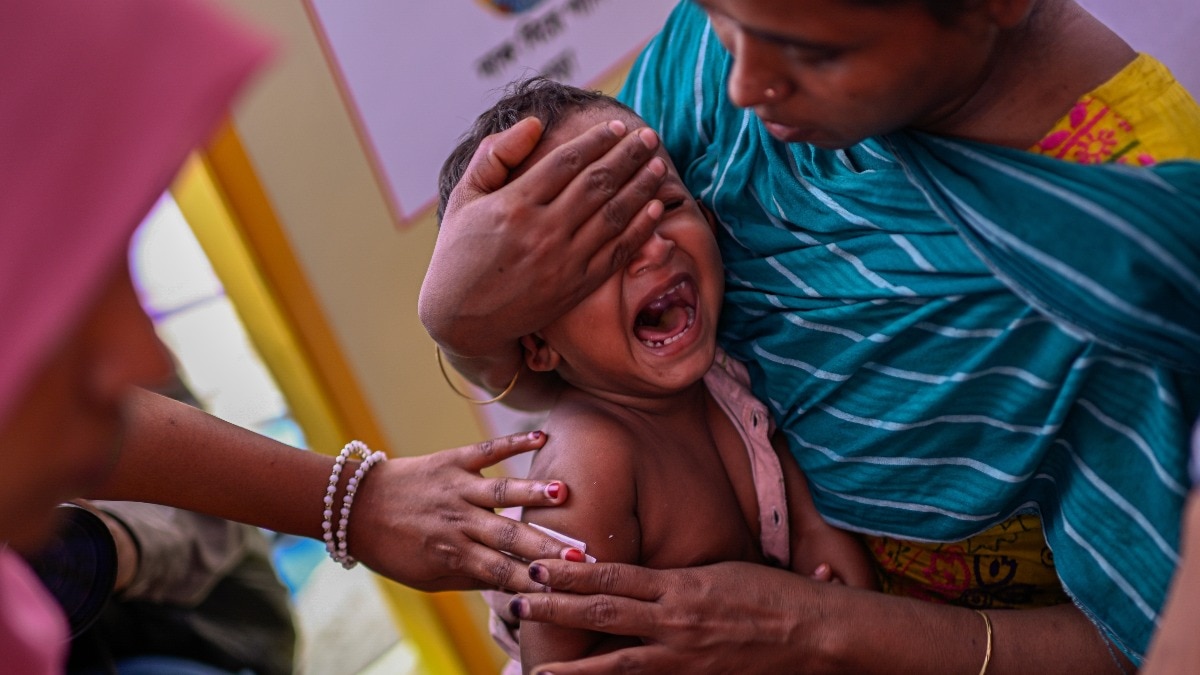
A significant spike in measles cases across India is raising alarms, compounded by a critical lack of transparent and timely outbreak data.
Key Takeaways
- India is witnessing a sharp rise in measles infections across multiple regions.
- A lack of comprehensive and real-time public health data is hindering effective disease surveillance.
- Experts cite gaps in routine immunization and nutritional deficiencies as primary drivers.
India is currently grappling with a concerning surge in measles cases, a situation that has sent ripples of concern through the medical community. While the spike in infections is evident in various clinical settings, a more systemic problem is emerging: the scarcity of reliable, public-facing outbreak data. This lack of transparency makes it increasingly difficult for epidemiologists to map the spread and predict the trajectory of the disease.
The Transparency Gap in Public Health
In the realm of infectious disease management, data is the most potent weapon. However, the current reporting lag and the fragmentation of health data across different states in India have created a dangerous information vacuum. Without granular, real-time data, health authorities struggle to allocate resources effectively, and local healthcare providers are often left fighting an invisible enemy without adequate support or guidance.
Root Causes of the Outbreak
Medical experts point to a confluence of factors driving this resurgence. The most significant is the disruption in routine immunization programs, largely a lingering consequence of the COVID-19 pandemic. When children miss their scheduled measles-mumps-rubella (MMR) doses, herd immunity weakens, leaving the most vulnerable populations exposed. Furthermore, widespread malnutrition and inadequate sanitation in high-risk areas act as catalysts, accelerating the transmission of the virus.
The Path Forward: Strengthening Surveillance
To mitigate this crisis, India must prioritize the modernization of its disease surveillance systems. Integrating digital reporting tools that allow for instantaneous data sharing between local clinics and central health ministries is no longer an option—it is a necessity. Moreover, reinforcing mass vaccination drives and addressing the underlying issue of child nutrition will be critical in curbing the current wave and preventing future outbreaks.