A breakthrough ICMR study in Telangana reveals that drone-based sample transport has reduced TB diagnosis time by 66% and drastically cut patient expenses.
Key Takeaways
- Drone technology reduced TB diagnosis turnaround time from 15 days to just 5 days.
- Average out-of-pocket expenditure for patients plummeted from ₹9,451 to approximately ₹91.
- The 'i-DRONE' initiative was successfully implemented in Telangana's Yadadri-Bhuvanagiri district.
- The model utilizes a hub-and-spoke network to connect rural health centers with molecular labs.
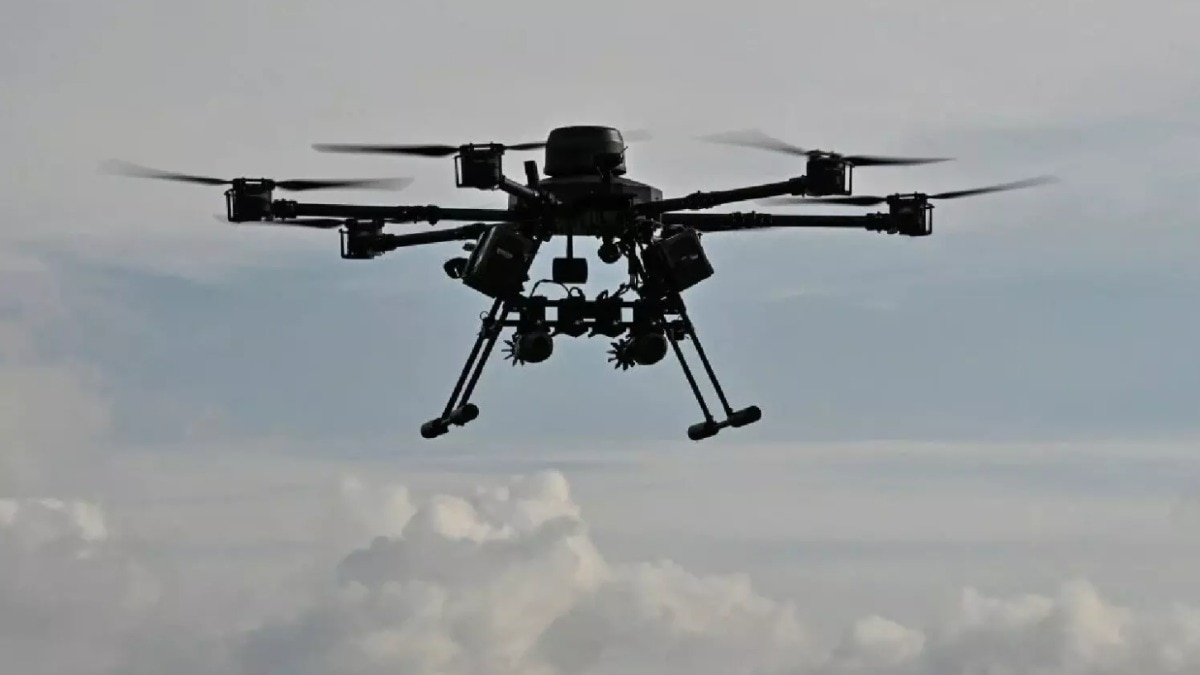
In a landmark development for India's public health sector, a study conducted by the Indian Council of Medical Research (ICMR) has demonstrated the transformative power of drone technology in combating Tuberculosis (TB). The study, carried out under the i-DRONE initiative in Telangana, highlights how unmanned aerial vehicles can bridge the critical gap between remote rural populations and advanced diagnostic facilities.
Drastic Reduction in Time and Cost
For decades, the primary barrier to TB eradication in India has been the delay in diagnosis. Patients in remote areas often face a grueling journey to reach molecular diagnostic labs, leading to significant travel costs and loss of daily wages. The ICMR study found that before the introduction of drones, the median turnaround time for a TB diagnosis was 15 days. With the implementation of drone-based sample transport, this period was slashed to a mere 5 days.
Beyond speed, the economic impact is staggering. The average out-of-pocket expenditure (OOPE) for patients dropped from an average of ₹9,451 to just ₹91. In many instances, the median expenditure was recorded as zero, effectively removing the financial barrier that often prevents the most vulnerable populations from seeking timely medical help.
The Mechanics of the i-DRONE Initiative
The project was a collaborative effort involving AIIMS Bibinagar and the District TB Office under the National TB Elimination Programme (NTEP). The researchers established a sophisticated 'hub-and-spoke' network, integrating 11 Primary Health Centres (PHCs), 60 sub-centres, and four TB Units. Instead of traveling long distances, patients now only need to visit their nearest local health facility to provide sputum samples, which are then rapidly airlifted to specialized laboratories.
A Blueprint for Future Healthcare Delivery
As India strives to meet its goal of eliminating TB, such technological interventions are becoming indispensable. Dr. Rajiv Bahl, Director General of ICMR, emphasized that affordable and timely diagnosis is the cornerstone of TB elimination. The success of the i-DRONE model provides a scalable blueprint for using drones to transport vaccines, essential medicines, and blood products across India's most challenging terrains, potentially revolutionizing last-mile healthcare delivery.