Five new mothers have petitioned the President for euthanasia after a 48‑hour deadline for kidney transplants passed, while the hospital assures that treatment continues and patients remain stable.
मुख्य बिंदु (Key Takeaways)
- Five new mothers wrote to the President requesting euthanasia
- 48‑hour ultimatum to district authorities expired without a transplant promise
- Hospital confirms all patients are stable and treatment is ongoing
India’s chronic shortage of donor organs leaves countless kidney‑failure patients in a state of perpetual waiting. In recent years, several patients and families have begun invoking euthanasia—voluntary death—as a last‑resort option, a topic that remains legally and ethically contentious within the Indian framework.
Background and Legal Context
Under current Indian law, euthanasia is permissible only in cases of extreme, irreversible suffering and requires approval from a high court. However, calls for a more streamlined process are growing, especially for patients whose conditions offer no realistic prospect of recovery.
The Mothers’ Appeal
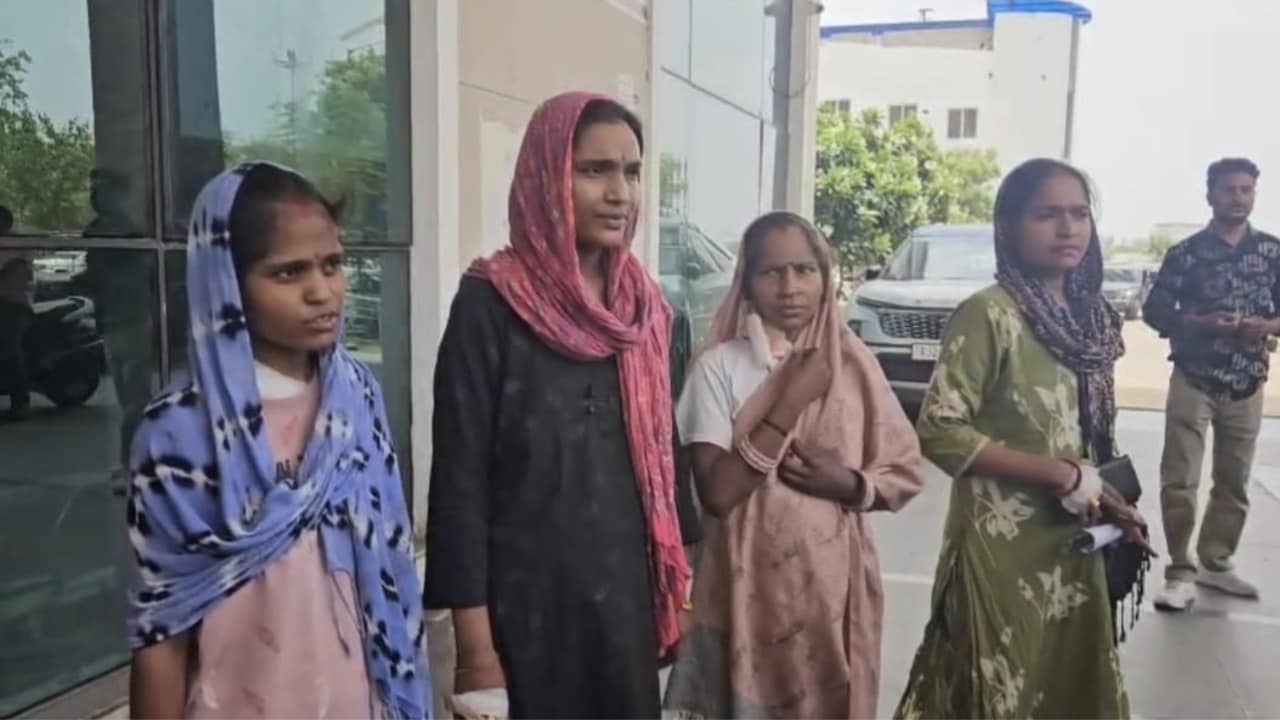
Five new mothers—each caring for an infant while battling severe chronic kidney disease—sent a formal letter to the President stating that if a donor kidney is not secured within the next 48 hours, they will pursue euthanasia. This plea follows a district‑level ultimatum that lapsed without any concrete commitment from local health authorities.
Hospital’s Response
The treating hospital promptly issued a statement confirming that all patients remain under active care and are currently stable. While the medical team continues to search for suitable donor kidneys, the systemic scarcity of organs across the nation remains a formidable hurdle.
Potential Implications
This incident could become a catalyst for policy reform. Should the central government treat such petitions with seriousness, it may accelerate organ‑donation drives, heighten public awareness, and spark a re‑examination of euthanasia regulations. Experts argue that these appeals highlight not just individual anguish but a broader failure in the health infrastructure.