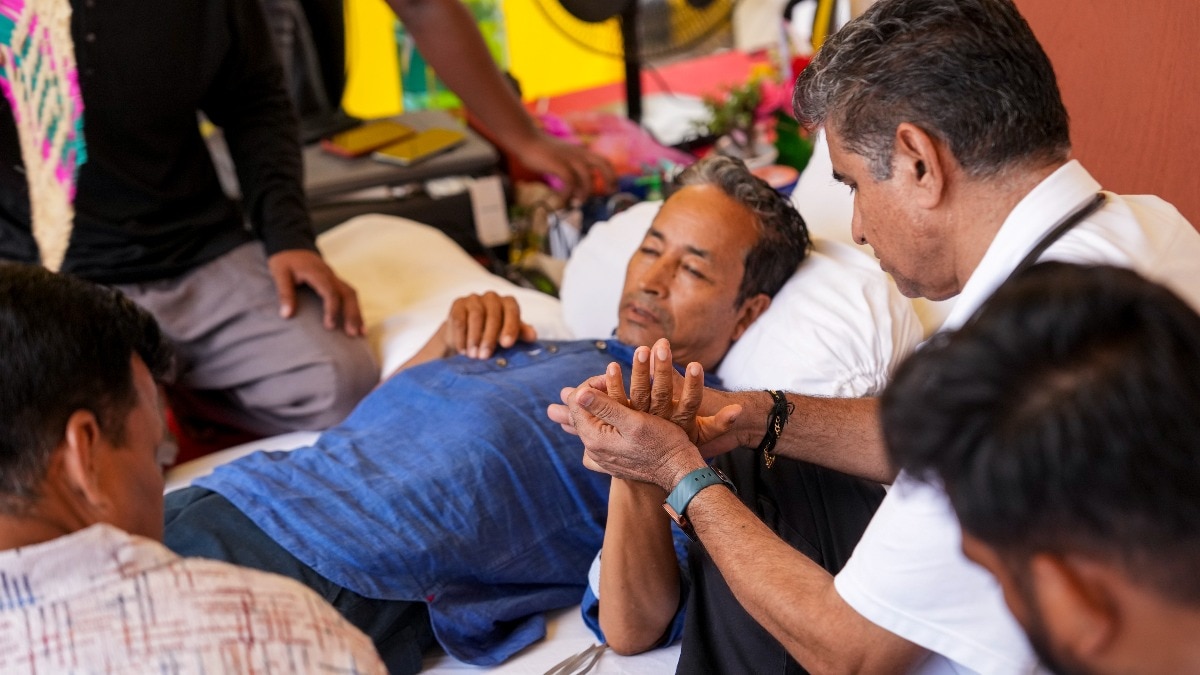
Around 115 people fell seriously ill after consuming golgappas from a street vendor in Polai Khurd village, Digod subdivision, Kota district. Twelve of the victims were admitted to the local health centre while the rest received emergency care and observation.
Key Takeaways
- 115 individuals fell ill after eating street golgappas in Polai Khurd
- 12 patients were hospitalized at the local health centre
- Children and other vulnerable groups were heavily affected
In the Simliya area of Kota district, a street vendor’s golgappas (pani‑patashi) triggered a sudden wave of food‑borne illness affecting roughly 115 people, many of them children. Symptoms ranged from severe vomiting and diarrhea to acute abdominal pain, prompting an immediate emergency response from local health authorities.
Hospitalisation and Immediate Care
All patients were rushed to the Community Health Centre (CHC) in Simliya, where twelve critical cases were admitted for close monitoring. The remaining victims received rehydration therapy and were either sent home under observation or referred to higher‑level hospitals for further treatment.
Historical Context of Street‑Food Safety
Rajasthan has witnessed several similar incidents, especially during the hot summer months when water quality deteriorates and hygiene lapses become common. A notable outbreak in 2022 within another Kota locality resulted in multiple child hospitalisations, prompting the state to announce periodic inspections of street food stalls.
Authorities’ Response and Ongoing Investigation
The district administration swiftly formed an emergency task force comprising the Health Department, the Food Safety and Standards Authority of India (FSSAI), and local police. Samples of the water, chutney, and cooking oil used for the golgappas are being analysed to detect bacterial or chemical contamination, and the vendor’s licence and hygiene practices are under scrutiny.
Future Outlook and Public Guidance
Experts warn that this episode underscores the urgent need for stricter street‑food regulation and robust public‑awareness campaigns. Citizens are advised to avoid food from unverified sources, wash hands with clean water before eating, and remain vigilant about the cleanliness of vendors. Strengthening inspection mechanisms and community education can prevent similar large‑scale health crises in the future.