US Senator Rick Scott has sharply criticized Pakistan's perceived 'double role' in US-Iran peace efforts, questioning Islamabad's credibility after PM Shehbaz Sharif paid tribute to late Iranian leader Ayatollah Ali Khamenei, prompting a stern warning from Washington.
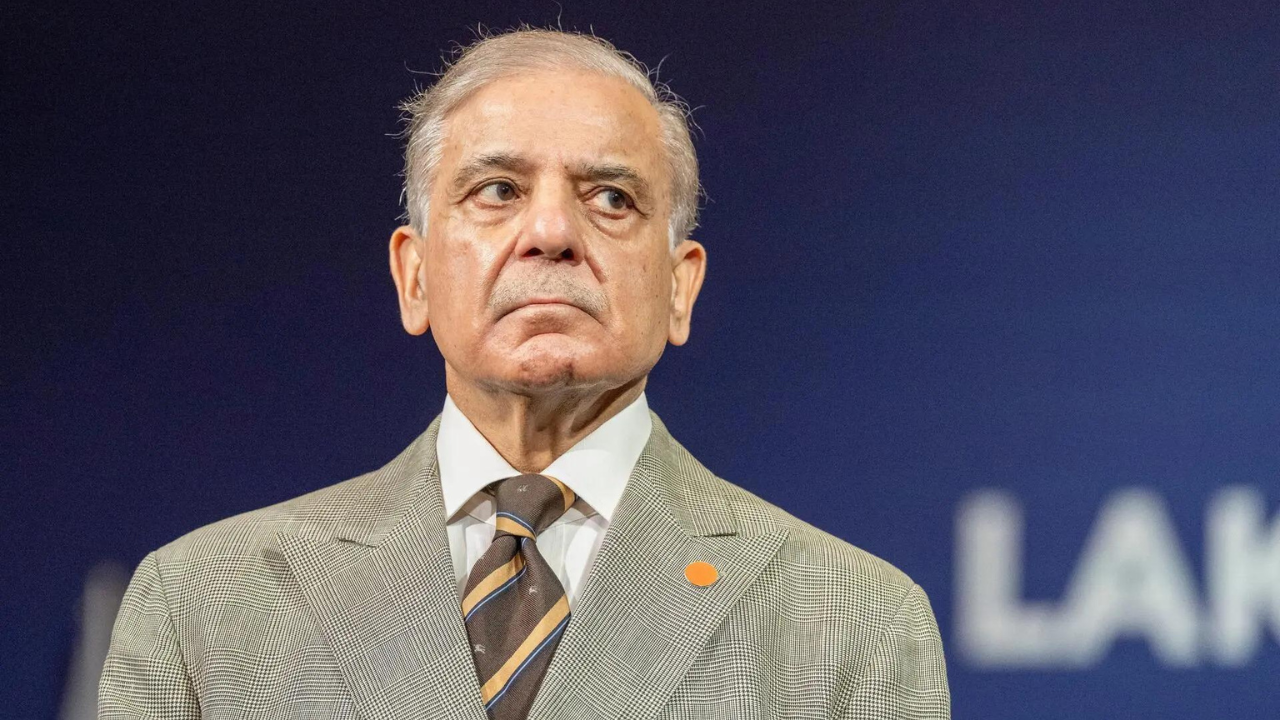
US Senator Rick Scott has issued a sharp rebuke to Pakistan, accusing Islamabad of playing a 'double role' in the ongoing US-Iran peace deal negotiations. The senator's criticism came after Pakistani Prime Minister Shehbaz Sharif attended the funeral of Iran's late Supreme Leader Ayatollah Ali Khamenei in Tehran, where he offered a glowing tribute to the deceased leader. This move has ignited concerns in Washington regarding Pakistan's sincerity as a mediator in the delicate geopolitical landscape of the Middle East.
In a strongly worded post on X (formerly Twitter), Senator Scott questioned Pakistan's credibility, drawing attention to its contentious history. "We need to remember who Pakistan really is in the middle of all this," Scott wrote. "We’re talking about a country where bin Laden hid out for a decade, where they selectively enforce lopsided blasphemy laws to persecute Christians, and where the Prime Minister just praised the genocidal mass murdering tyrant that used to run Iran." He further asserted, "They’re no better qualified to 'mediate' this than the Hamas-harboring Qataris. Islamabad should take note; we’re watching closely." These remarks underscore a deep-seated distrust within certain US political circles regarding Pakistan's strategic alignment and its role in regional security.
Prime Minister Sharif's attendance at Khamenei's funeral in Tehran, where he publicly lauded the late Iranian leader, has been a focal point of the controversy. A video shared by Senator Scott showed Sharif describing Khamenei as "a great scholar and leader whom millions of Muslims will remember" and stating that "Pakistan and Iran will march together under all circumstances." This public display of solidarity with Iran's supreme leader, particularly at a time when US-Iran relations are fraught with tension, appears to have fueled Washington's skepticism about Pakistan's neutral stance in the ongoing peace efforts.
Khamenei's funeral itself was a massive display of national mourning and, notably, anti-Western sentiment. Vast crowds converged on the Iranian capital, with mourners dressed in black lining the streets for the procession. The flag-draped coffin of Khamenei, alongside those of family members reportedly killed in an airstrike at the start of the war launched by Israel and the United States, was carried through Tehran in a procession that authorities leveraged as a powerful symbol of national unity. The ceremony was also marked by fervent anti-US and anti-Israel slogans, with many attendees openly calling for the deaths of US President Donald Trump and Israeli Prime Minister Benjamin Netanyahu. Some carried placards demanding revenge, while others displayed effigies of Trump, amplifying the charged atmosphere.
These developments unfold against a backdrop of stalled negotiations between Washington and Tehran aimed at achieving a permanent resolution to the conflict. Talks are anticipated to resume only after Khamenei's burial, with significant disagreements persisting over Iran's nuclear program, control of the vital Strait of Hormuz, and the broader regional conflicts. Pakistan's diplomatic maneuvering in this highly sensitive environment is under intense scrutiny. The US has historically viewed Pakistan as an ally in counter-terrorism efforts, but its actions, such as PM Sharif's tribute to Khamenei, complicate this relationship and raise questions about Islamabad's commitment to facilitating peace efforts that align with US interests. The 'watching closely' warning from Senator Scott is a clear indication that Pakistan's geopolitical balancing act is being meticulously observed, with potential implications for future US-Pakistan relations and Islamabad's diplomatic standing on the global stage.