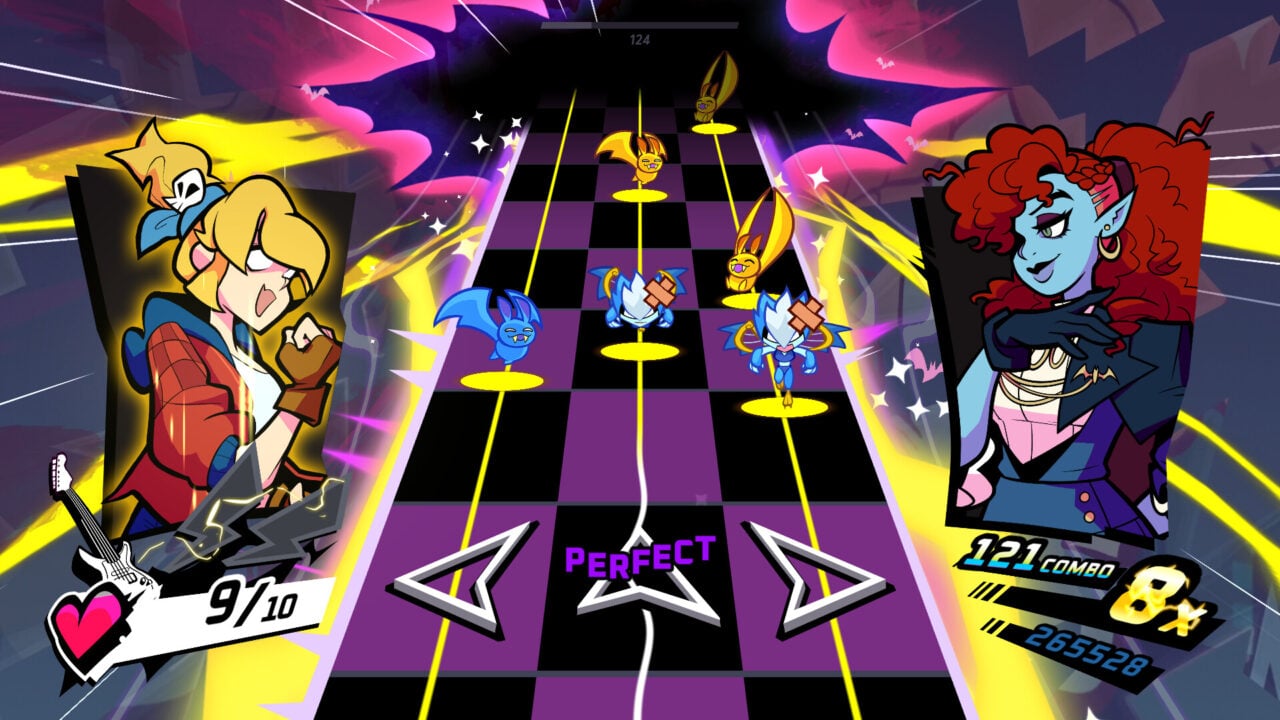
Rhythm games are far beyond simple button presses; Rift of the Necrodancer elevates the genre into a sophisticated blend of music, strategy, and reflex.
Key Takeaways
- Rhythm games combine music, strategy, and rapid decision‑making.
- ‘Rift of the Necrodancer’ pushes this complexity to new heights.
- Players must master beat‑matching as well as level‑specific tactics.
The roots of rhythm gaming trace back to the 1980s arcade era, with titles like Dance Dance Revolution and Beatmania establishing the core mechanic of pressing buttons in time with music. Early perceptions often reduced the genre to a simple timing challenge, leading many to underestimate its depth.
Beyond Simple Timing
In practice, rhythm games operate on multiple layers: recognizing musical tempo, syncing visual cues, and simultaneously managing strategic elements such as enemy patterns, environmental hazards, and resource allocation. This multidimensional approach transforms the experience from “press a button on beat” to a nuanced form of musical decision‑making.
Impact of ‘Rift of the Necrodancer’
Indie studio Brace Yourself Games released Rift of the Necrodancer in 2023 as a sequel to the cult classic Crypt of the Necrodancer. The sequel demands more than mere beat‑following; each zone introduces unique rhythmic patterns, enemy types, and dynamic BPM shifts that require players to adapt on the fly. Complex input sequences—double‑taps, hold‑and‑release, and rapid tempo changes—are woven into combat, turning every encounter into a musical puzzle.
Community Reaction and Future Trends
The title has sparked a fresh wave of discourse within the rhythm‑gaming community. Streamers and competitive players now prioritize “rhythmic mapping” strategies over high scores alone. This shift hints at a forthcoming wave of “rhythm‑roguelike” hybrids, where RPG‑style decision‑making is tightly coupled with music. Such innovations could broaden the audience and even position rhythm games for inclusion in mainstream esports.
In short, Rift of the Necrodancer proves that the genre’s complexity is often overlooked; by intertwining music, strategy, and split‑second reflexes, it redefines what a rhythm game can be.