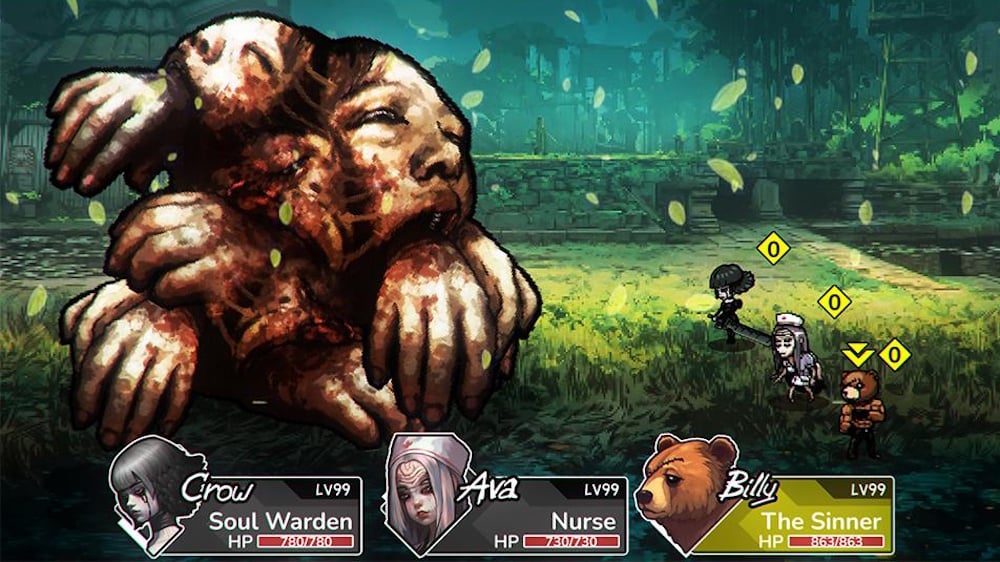
Independent game creators warn that AI tools are rapidly replicating their in‑development titles, sparking fresh concerns over intellectual‑property protection. The trend highlights emerging security and ethical challenges for the broader gaming industry.
Key Takeaways
- AI tools are being misused to generate rapid indie game clones
- Developers face heightened anxiety over protecting their creative work
- Industry calls for stronger ethical guidelines and regulation
A solo indie developer recently confessed that every time she shares a project update online, she feels a wave of anxiety. She alleges that numerous individuals are harnessing generative‑AI platforms to copy her unfinished game's concept, art style, and even snippets of code within minutes. This phenomenon threatens not only individual creators but the entire indie gaming ecosystem.
Proliferation of AI Tools and Their Misuse
Over the past two years, major tech firms have released text‑to‑code, image‑generation, and AI‑driven simulation tools to the public. These services enable virtually anyone to produce basic game mechanics or visual assets with a few prompts. While they accelerate innovation, they also provide a low‑effort avenue for reproducing copyrighted material, turning AI into a double‑edged sword for developers.
A Historical Lens on Game Cloning
Cloning isn’t new to the indie scene. In the 1990s, titles like “Donk” sparked controversy over blatant copies. Today, AI’s ability to fabricate a clone with a single click dwarfs traditional modding practices, making the problem more scalable and harder to police. This shift compels creators to rethink protection strategies for their intellectual property.
Potential Industry Impact and Mitigation Strategies
If unchecked, the surge could deter talented creators, slowing the pace of innovation. Experts advise platforms to embed more robust detection algorithms for AI‑generated content and to streamline copyright‑infringement reporting. Moreover, a coordinated international framework of ethical standards and regulations is essential to ensure AI‑assisted development remains responsible.
Looking Ahead
As AI becomes increasingly precise and accessible, indie developers must adopt a security‑first mindset—leveraging community collaboration, open‑source licensing, and rapid legal recourse. When governed responsibly, the technology can amplify creativity rather than undermine it, turning a potential threat into a catalyst for growth.