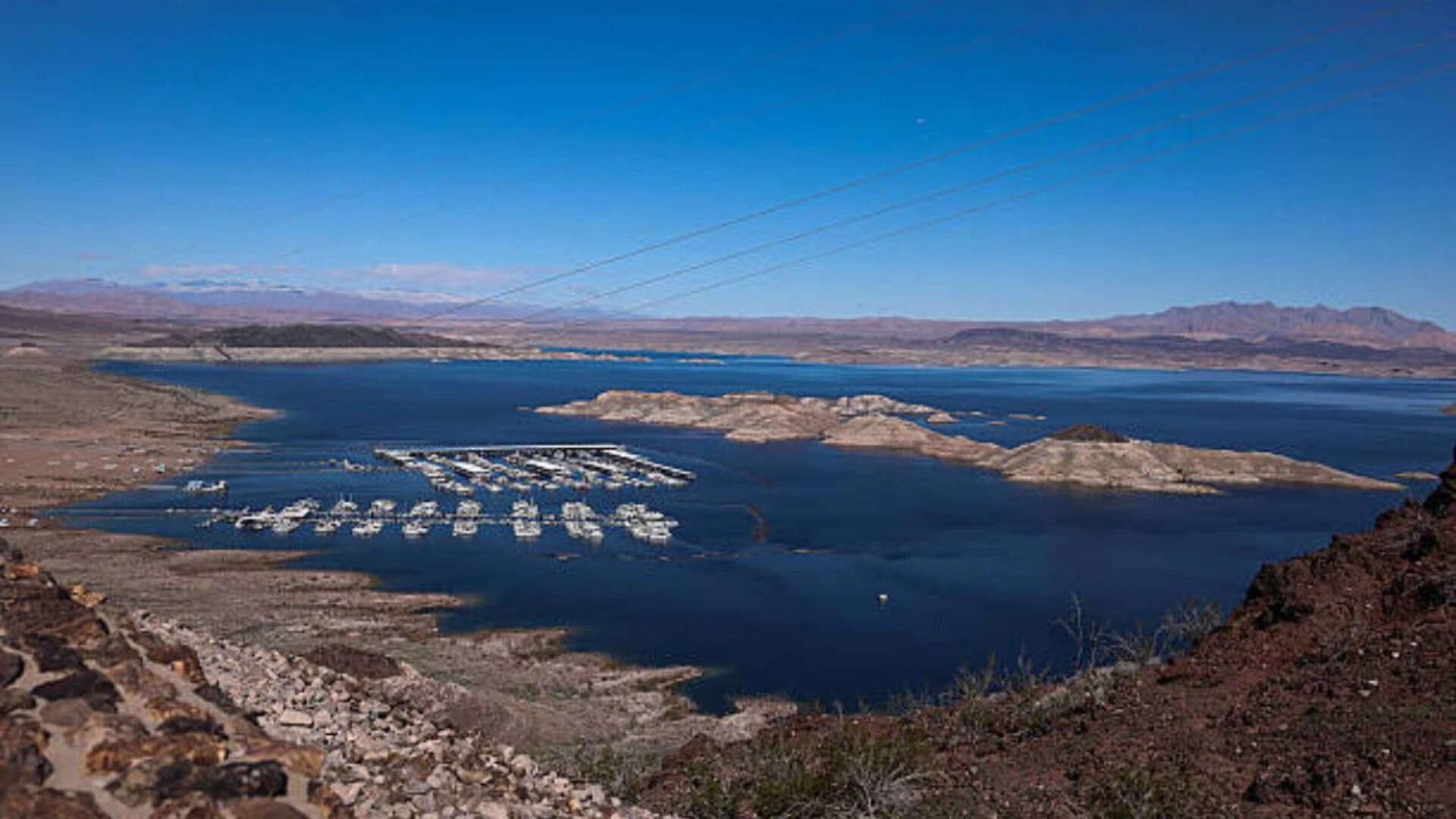
A research team led by IIT‑Madras is evaluating the storage capacity, water quality, and connectivity of about 25 abandoned quarries on Chennai’s southern fringe. The initiative could become a pivotal component of the city’s drought‑contingency strategy.
Key Takeaways
- Assessment of 25 abandoned quarries for water storage potential.
- Focus on water quality, capacity, and network integration by IIT‑Madras researchers.
- Quarry‑based storage could reduce evaporation losses to 10‑20%.
Chennai Metrowater has incorporated abandoned quarries into its drought‑contingency plan, especially as a backup for a weak Northeast monsoon. Under the leadership of Elango Lakshmanan, a visiting faculty member from the Hydraulics and Water Resources Engineering Group at IIT‑Madras, a systematic study has been launched to evaluate roughly 25 quarries across the southern outskirts – including sites in Tambaram, Vandalur, Nallambakkam, Tiruneermalai, Unamancheri and Keerapakkam.
Background and Rationale
Major reservoirs such as the 15‑sq‑km Chembarambakkam are suffering from declining storage and high evaporation rates. In contrast, smaller quarry basins (0.3‑0.5 sq km) can limit evaporation to 10‑20%, offering a more efficient means of retaining water during the critical post‑monsoon period. Metrowater already maintains buffer quarries at Sikkarayapuram and Erumaiyur downstream of Chembarambakkam, which together hold about 0.7 thousand million cubic feet of water.
Study Focus Areas
The research concentrates on three pillars: (i) quantifying each quarry’s storage capacity, (ii) analyzing water quality parameters, and (iii) evaluating the feasibility of linking the quarries to the nearest municipal water‑supply network. Preliminary findings suggest that the two existing quarries are about 75 % full and can collectively supply roughly 30 million litres per day from Sikkarayapuram for a year, and an additional 10 million litres per day from Erumaiyur for around 425 days.
Future Plans and Challenges
A proposal is pending government approval to interconnect the 25 quarries into a single, larger storage complex, potentially boosting overall capacity. The strategy also involves initially filling the quarries with water released from reservoirs to curb immediate evaporation, then gradually transitioning the supply to the quarries for long‑term use. Meanwhile, a recent increase in Krishna River inflow—now projected to rise to 500 cusecs—has lifted overall reservoir storage to approximately 47 %.
Expert Perspective
Water‑resource specialists argue that, if properly engineered and monitored, quarry‑based storage can significantly mitigate seasonal water deficits and enhance urban water resilience. Yet, ensuring water quality, securing necessary infrastructure investment, and gaining community buy‑in remain critical hurdles.