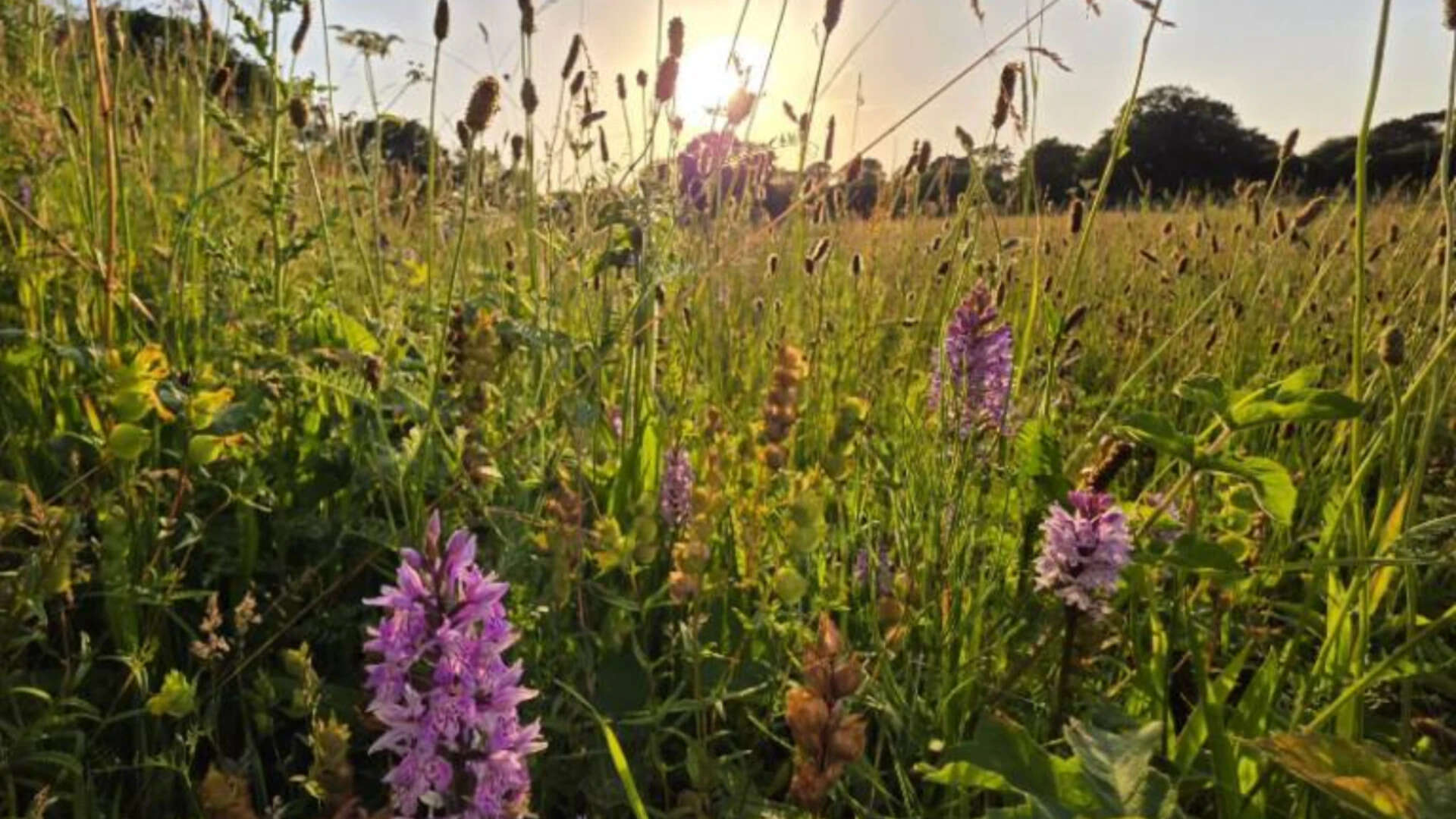
A long‑neglected agricultural plot in Norfolk has blossomed into a thriving wildflower meadow within a decade and a half. Researchers highlight that simple, natural restoration can outshine costly commercial methods, underscoring patience as a cornerstone of ecosystem revival.
Key Takeaways
- Abandoned field hosted over 200 wildflower species in 10‑15 years.
- Passive natural restoration proved more sustainable than commercial interventions.
- Patience and long‑term monitoring are essential for successful ecosystem recovery.
Located in the countryside of Norfolk, England, a farm that was left fallow in the early 2000s became an inadvertent laboratory for ecological research. Over the past fifteen years, a consortium of national environmental agencies and university scientists has monitored the site, seeking insight into how ecosystems rebound when human influence is minimized.
Background and Initial Conditions
When farming ceased, the soil was depleted, dominated by a few hardy weeds, and largely devoid of native flora. Rather than applying seed mixes or fertilizers, researchers adopted a ‘passive revival’ strategy—allowing natural seed dispersal, soil microbes, and weather patterns to dictate regrowth. This low‑intervention approach aligns with emerging ecological theories that emphasize the resilience of native seed banks and soil biota.
Key Findings
Within a decade, more than 200 wildflower species, including daisies, poppies, and several native lupines, reclaimed the field. These plants not only enhanced visual appeal but also attracted pollinators, birds, and beneficial insects, effectively re‑establishing a functional food web. Comparative analysis revealed that the passive method achieved higher biodiversity and lower maintenance costs than commercial restoration projects that rely on expensive seed imports and intensive site preparation.
Environmental and Societal Impact
The transformation offers a compelling case for policymakers: patient, nature‑led restoration can deliver robust ecological outcomes while freeing public funds for other conservation priorities. The meadow has also become a community asset, serving as an outdoor classroom and a modest recreation space, thereby linking rural development with biodiversity uplift.
Future Directions
Scientists aim to replicate this model across other abandoned agricultural sites and to integrate climate‑change resilience metrics into long‑term monitoring. The Norfolk example reinforces the principle that ecosystems possess an innate capacity to heal—provided we grant them the time and space to do so.