Friend Amin Hajee opens up about Aamir Khan’s emotional turmoil, tears, and his dignified approach to marriage amid criticism of his third wedding. He highlights the personal cost of the actor’s unwavering professional dedication.
मुख्य बिंदु (Key Takeaways)
- Amin Hajee witnessed Aamir Khan’s heartbreak and tears
- Aamir has consistently treated marriage with dignity and honesty
- Despite backlash, the actor prioritises professional commitment over personal scrutiny
Long‑time confidante Amin Hajee, who has known Aamir Khan for over three decades, spoke to Rediff about the actor’s inner struggles as he navigates criticism surrounding his third marriage. Hajee asserted that he has personally seen Aamir go through heartbreak and even cry, underscoring the emotional depth that often remains hidden from the public eye.
Professional Dedication vs Personal Cost
Hajee emphasized that Aamir’s relentless devotion to his craft frequently comes at a personal price. “Aamir immerses himself entirely in his work, and that level of commitment can sometimes make those close to him feel neglected,” he said. Nevertheless, the actor has consistently ensured that his former families and children receive support and respect, regardless of the life stage he is in.
Marriage Treated with Respect and Honesty
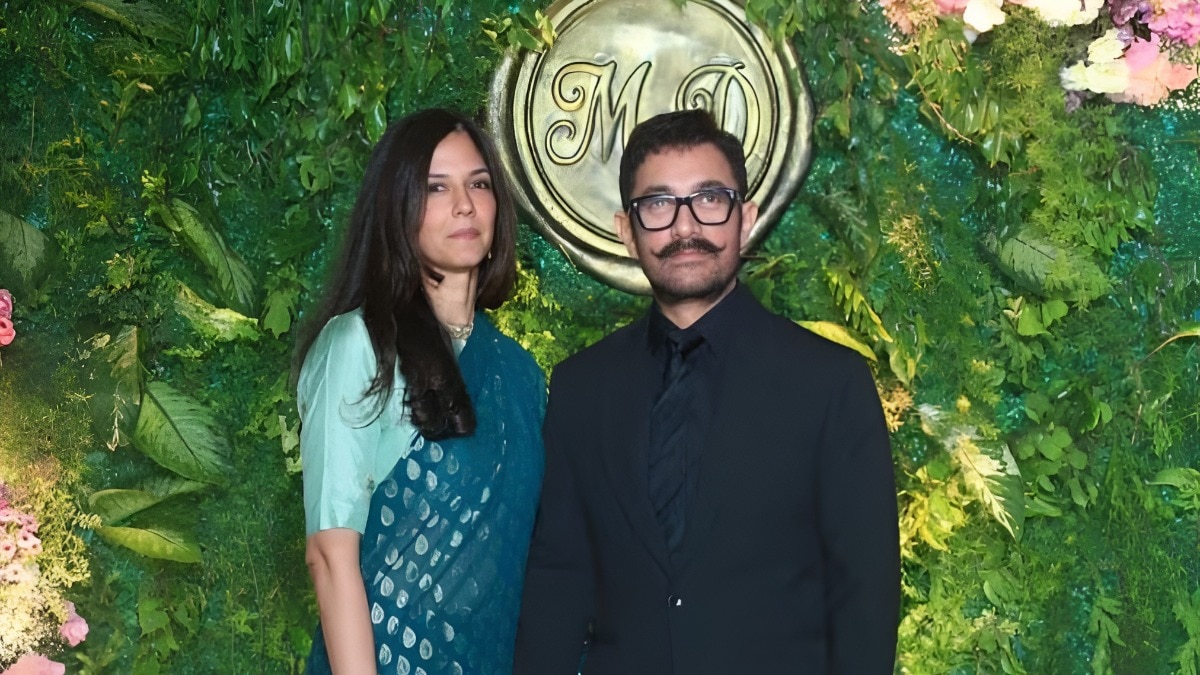
Drawing on the actor’s three matrimonial chapters—his first marriage to Reena Dutta in 1986, the second to Kiran Rao in 2005, and the recent union with Gauri Spratt in July 2026—Hajee highlighted Aamir’s dignified handling of each relationship. “Many become cynical after a failed marriage, but Aamir never does. He always approaches marriage with dignity and fairness,” he noted.
Public Reaction to the Third Marriage
The intimate ceremony with Gauri Spratt, attended by around 150 guests including industry stalwarts such as Mukesh Ambani, Raj Thackeray, Ashutosh Gowariker, and Irfan Pathan, sparked accusations branding Aamir as a “brand ambassador of love jihad.” Aamir refuted these claims, stating that none of his marriages involved religious conversion and that his family has always embraced inter‑faith relationships.
Hajee’s candid remarks illuminate the often‑overlooked emotional toll that public figures endure, especially when their personal choices become fodder for societal debate. By revealing Aamir’s vulnerability, the interview not only humanises a celebrated star but also challenges prevailing narratives that simplify complex personal histories.