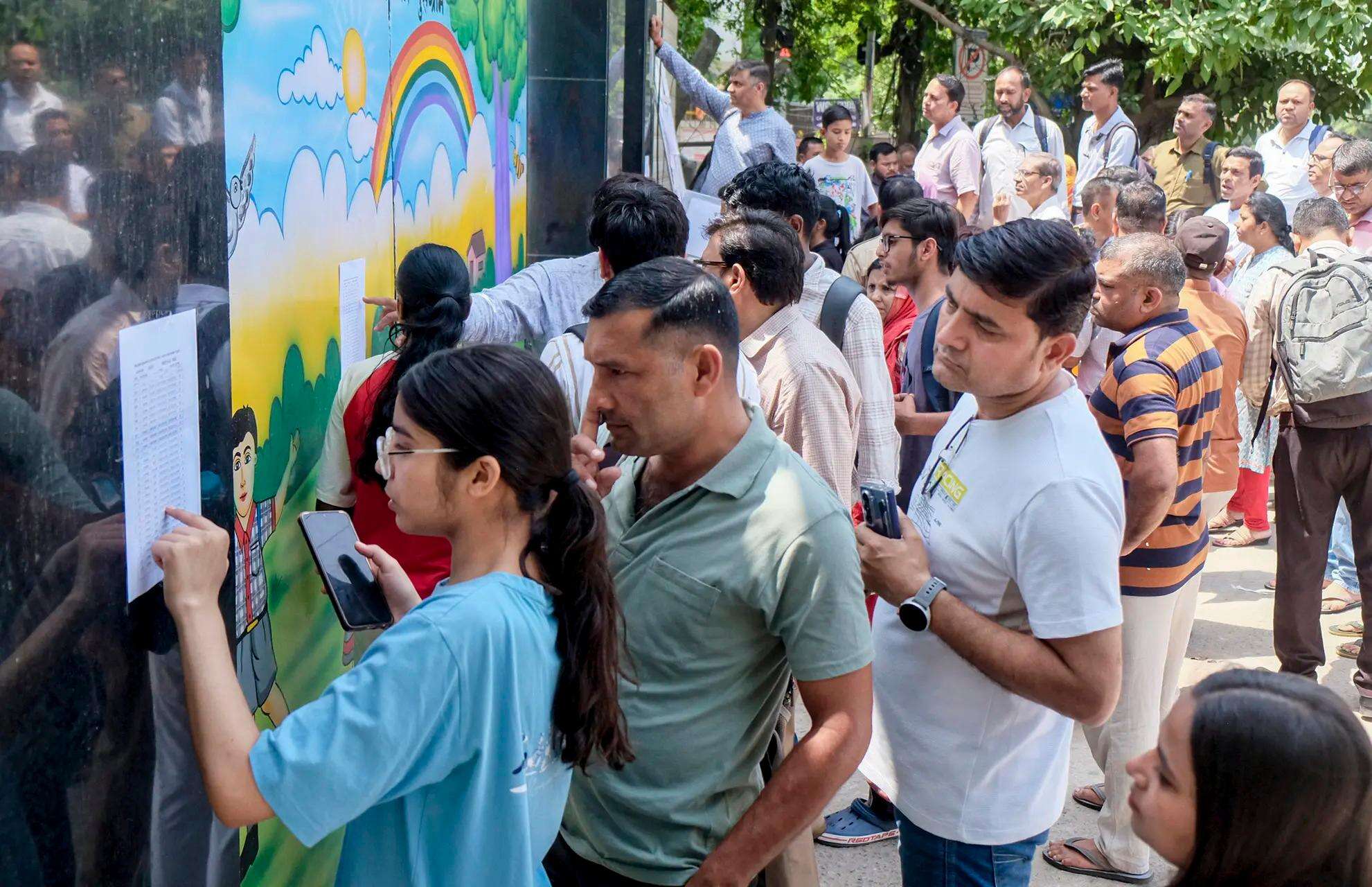
The National Eligibility cum Entrance Test (NEET) UG Re‑Exam 2026 results have been declared. Aryan Gupta from Punjab and Panshul Bansal from Haryana both secured the highest score of 715 out of 720. Out of more than 20 lakh candidates, 11.21 lakh qualified for medical, dental, AYUSH and allied programmes.
मुख्य बिंदु (Key Takeaways)
- Aryan Gupta (Punjab) and Panshul Bansal (Haryana) scored 715, sharing the top rank
- 19 candidates surpassed the 700‑mark threshold, indicating elite performance
- 11.21 lakh out of 20 lakh aspirants qualified for undergraduate medical streams
The National Testing Agency (NTA) released the official NEET UG Re‑Exam 2026 results on July 16. The exam, conducted on June 21 across 5,440 centres in 551 Indian cities and 14 overseas locations, saw over 20 lakh aspirants compete. Punjab’s Aryan Gupta and Haryana’s Panshul Bansal each achieved 715 out of a possible 720 marks, jointly clinching the All‑India Rank 1.
Geographic Spread of the Top 17 Scorers
Seventeen candidates scored between 705 and 730 marks, representing eight states – Punjab, Haryana, Rajasthan, Uttar Pradesh, Maharashtra, Bihar, Tamil Nadu and Telangana. In total, 19 candidates crossed the 700‑mark barrier, while 138 candidates scored above 690 marks, reflecting a highly competitive cohort across the nation.
State Toppers and Exceptional Performers
Ladakh’s Jigmet Yangchan Lamo topped his state with 530 marks, the Andaman & Nicobar Islands’ Dhruv Tripathi secured 606 marks, and Lakshadweep’s Fahmida Anees earned 573 marks. Every North‑Eastern state also produced a state topper, underscoring the growing prominence of medical aspirants from traditionally under‑represented regions.
Overall Candidate Performance and Gender Dynamics
According to NTA data, 1,492 candidates scored 650 marks or higher, 10,160 candidates crossed the 600‑mark line, and 90,780 candidates achieved at least 500 marks. Women constituted more than 58 % of all qualified candidates, with a slightly higher pass rate (56.8 %) compared to men (55.1 %). This gender trend signals a positive shift toward greater female participation in medical education.
Implications for Future Medical Admissions
The 2026 NEET UG results highlight not only the intensity of competition but also the need for policy interventions that bridge urban‑rural gaps, enhance digital learning, and expand quality coaching. The remarkable performance of top scorers will likely inspire aspirants to adopt more strategic preparation methods. Moreover, the rising share of women qualifiers may encourage institutions to strengthen gender‑inclusive initiatives, ultimately enriching the healthcare workforce.