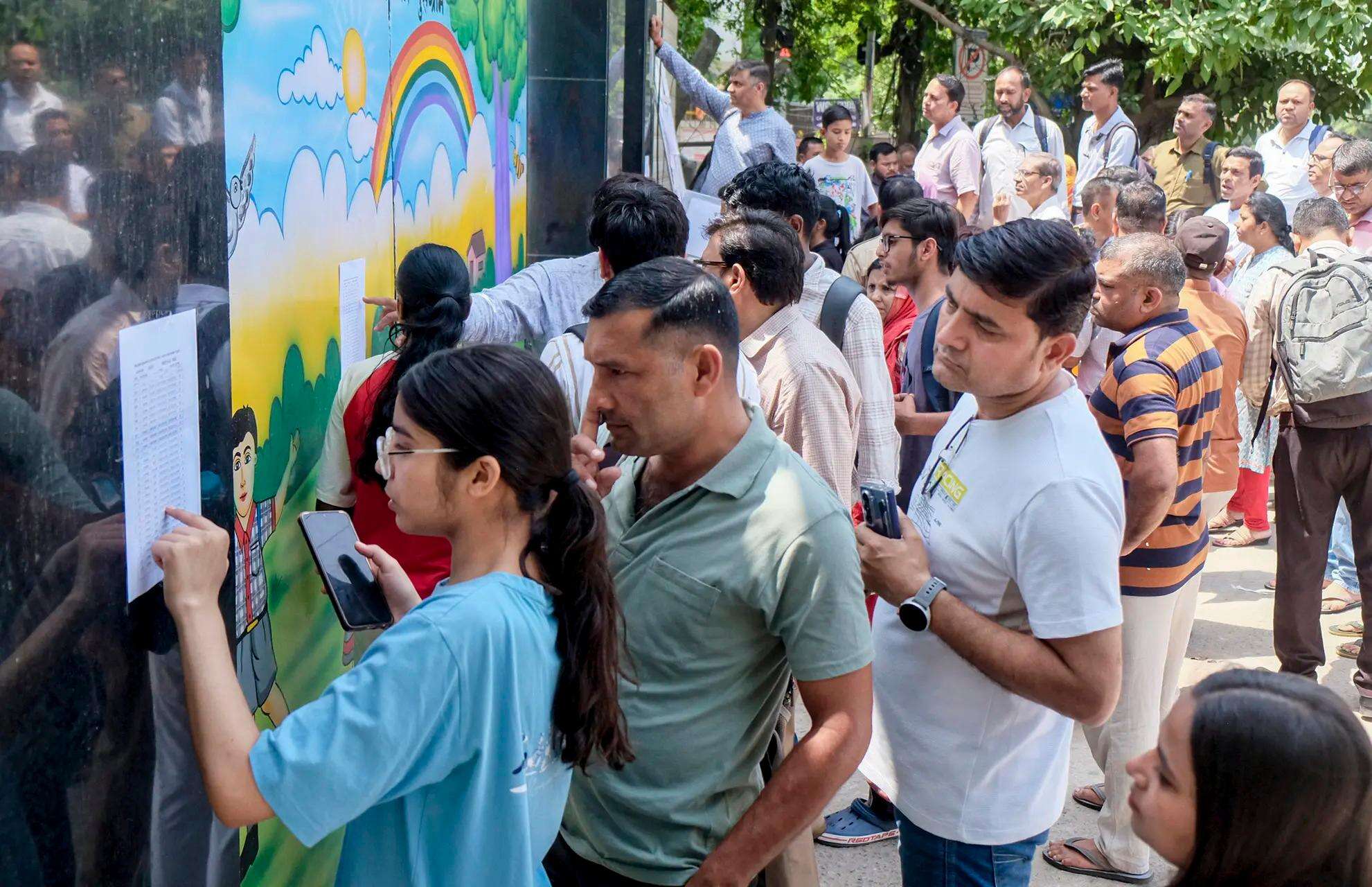
The National Testing Agency (NTA) released the results of the NEET‑UG 2026 re‑examination on July 16. Aryan Gupta of Punjab and Panshul Bansal of Haryana topped the list with 715 marks, while a total of 11.21 lakh candidates secured qualification for medical courses.
Key Takeaways
- NEET‑UG 2026 re‑exam qualified 11.21 lakh candidates
- Aryan Gupta (Punjab) and Panshul Bansal (Haryana) topped with 715 marks
- Women constitute 58% of qualified candidates; most top performers are aged 17‑19
The National Eligibility cum Entrance Test (NEET‑UG) remains the single gateway for undergraduate medical, dental, AYUSH and allied programmes across India. Originally scheduled for May 3, 2026, the exam was cancelled on May 12 after allegations of a question‑paper leak and was subsequently reconducted on July 16. The swift rescheduling ensured that the medical‑admission and counselling calendar stayed on track, preserving the momentum for millions of aspirants.
Scale of the Examination
Approximately 20 lakh candidates appeared for this year’s NEET‑UG, spanning 5,440 centres in 551 Indian cities and 14 overseas locations. Such a massive turnout underscores the relentless demand for medical education against a backdrop of limited seats in both government and private institutions. The NTA made the complete result set available on the official portal neet.nta.nic.in, including All‑India Rank (AIR) lists, state toppers, category‑wise toppers, qualifying cut‑offs, and language‑wise participation.
Top Scorers and Score Distribution
Punjab’s Aryan Gupta and Haryana’s Panshul Bansal emerged as the top‑ranked candidates with 715 marks each. Nineteen candidates crossed the 700‑mark threshold out of a possible 720, while 1,492 aspirants secured scores above 650. This narrow band of high‑scoring students highlights the fierce competition and the razor‑thin margin separating the elite from the rest.
Gender and Age Insights
Women accounted for more than 58 % of the qualified candidates, marking a significant rise compared with previous years. Moreover, the majority of top performers fall within the 17‑19 age bracket, indicating a youthful cohort that is well‑prepared and highly motivated for medical careers.
Implications and Policy Outlook
Timely declaration of results allows the subsequent counselling process to proceed without disruption, giving candidates clarity for seat allocation. However, the sheer volume of qualified aspirants now poses a policy challenge: expanding seat capacity, especially in underserved regions, and strengthening reservation mechanisms for women and rural candidates. Addressing these issues will be vital to translate the talent pool into a robust healthcare workforce.